


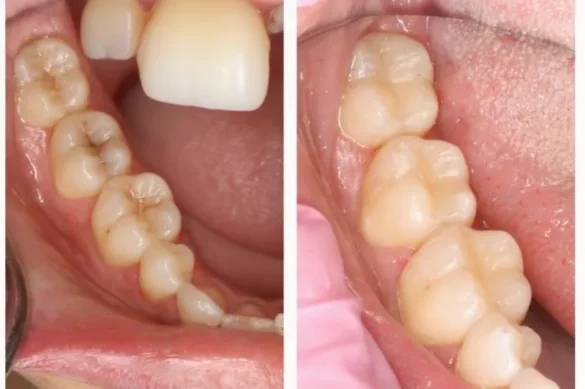
Tooth decay and cavities are common dental concerns. Many people wonder if there is a way to cure cavities without the need for traditional dental fillings. While the idea is appealing, the truth is more complex. Understanding how cavities develop, what it takes to reverse early enamel damage, and when professional care is necessary is crucial for anyone seeking to maintain a healthy smile.
Understanding Cavities and Tooth Decay
Cavities, also known as dental caries, are the result of a gradual process of tooth decay. This damage is mainly caused by acids produced by bacteria in the mouth. These acids attack the outer layer of the tooth, known as enamel. Over time, repeated attacks lead to mineral loss, weakened enamel, and eventually a hole in the tooth—known as a cavity.
There are two main stages of tooth decay:
Stage 1: Enamel Demineralization
Demineralization is the first and mildest stage of decay. At this point, minerals such as calcium and phosphate are leached out of the enamel. You may not notice any pain, but a dentist might see white spots on your teeth. At this stage, no real hole exists yet, and the process is still reversible. With the right care, minerals can be added back to the enamel, repairing it naturally.
Stage 2: Cavity Formation
If demineralization continues without intervention, the enamel structure breaks down completely. This leads to cavitation—a hole forms in the tooth. At this point, the damage is permanent, and the cavity cannot heal naturally. A filling or other dental restoration is needed to repair the tooth and prevent more serious problems.
Is It Possible to Cure Cavities Without Fillings?
The answer depends on the stage of decay. Early enamel demineralization can often be reversed with good oral hygiene and targeted products. However, once a true cavity develops, home remedies and non-invasive treatments will not be effective. Scientific evidence supports the concept of “healing” only in the earliest phase—before a hole or cavity has formed.
Many claims about curing cavities at home are based on misunderstandings. These methods may help strengthen enamel or slow decay, but they cannot fill a hole in the tooth. Any advice promising otherwise should be viewed with caution and checked with a licensed dental provider.
How Can Enamel Be Remineralized?
Remineralization is the process of returning lost minerals to tooth enamel. Your mouth is constantly balancing demineralization (loss) and remineralization (repair). By encouraging remineralization, you can halt or even reverse the earliest stages of decay.
Effective Strategies for Remineralizing Teeth
1. Fluoride Toothpaste
Fluoride is a mineral that makes tooth enamel more resistant to acid attacks. Brushing your teeth twice daily with fluoride toothpaste is widely recognized as the most effective way to remineralize enamel and prevent cavities. Fluoride toothpastes are safe for daily use and recommended by dental professionals worldwide.
2. Professional Fluoride Treatments
Dentists can apply concentrated fluoride gels or varnishes during a dental visit. These treatments help strengthen weak spots on teeth and are especially useful for those at high risk for cavities.
3. Diet and Nutrition
A balanced diet supplies the building blocks for strong enamel. Foods high in calcium and phosphate, such as dairy products or nuts, support remineralization. Reducing sugars and acidic foods is also crucial, as these feed harmful bacteria that cause decay.
4. Sugar-Free Gum (Containing Xylitol)
Chewing sugar-free gum encourages saliva flow. Saliva is your body’s natural defense against acid attacks and contains minerals needed to strengthen enamel. Xylitol, a sugar substitute, may also reduce bacteria that cause cavities.
5. Dental Sealants
For some people, particularly children and those with deep grooves in their teeth, dentists may apply dental sealants. These are protective coatings that shield the enamel from acid and bacteria, giving added help to the body’s natural repair system.
Why Untreated Cavities Require Fillings
If demineralization is not stopped, a cavity will eventually form. This hole creates a pathway for bacteria to invade deeper layers of the tooth. Over time, untreated cavities can lead to pain, infection, swelling, abscess, or even tooth loss. Once a hole exists, it will not close on its own. Dental fillings are necessary to remove decayed material and restore tooth strength.
Delaying needed dental treatment can turn a simple problem into a more complex and costly one. Modern fillings are safe, effective, and can often be placed in a single visit.
Practical Steps to Prevent Cavities
Taking control of your oral health is the best way to avoid cavities without needing fillings in the first place.
Brushing and Flossing
Brush all tooth surfaces with fluoride toothpaste for two minutes, twice a day. Floss daily to remove plaque and bacteria from between teeth and under the gumline. Good oral hygiene is your first line of defense.
Using Fluoride Products
A fluoride mouth rinse or prescription fluoride gel may be recommended for people at higher cavity risk. Children and teens may benefit from added in-office applications.
Eating Smart
Limit snacks between meals and choose water whenever possible. Focus on tooth-friendly foods like cheese, leafy greens, and yogurt. Avoid sticky or sugary foods, which tend to cling to teeth and fuel bacteria.
Regular Dental Check-Ups
Professional dental visits every six months help catch decay early—even before you notice symptoms. Cleanings remove hardened plaque (tartar) that you can’t reach by brushing alone. Dentists can also recommend custom preventive strategies based on your needs and health history.
The Importance of Early Detection
A small, reversible problem is much easier and less expensive to fix than a bigger one. Dentists use visual exams, X-rays, and professional experience to spot trouble early. They can also answer questions, provide education, and offer advice on keeping teeth strong for life.
Conclusion
While curing a true cavity without a filling is not possible, you can reverse early enamel damage and prevent new cavities from forming. Good oral hygiene, fluoride, healthy nutrition, and regular dental visits are the foundation for strong, healthy teeth. If you notice white spots, tooth sensitivity, or any other signs of early decay, act quickly. Early intervention can mean the difference between avoiding a filling and needing a more involved dental procedure. Trust in science-based dental care and work with your dentist to keep your smile healthy.
Frequently Asked Questions About Healing Cavities Without Fillings
Can oil pulling or homemade remedies “heal” cavities?
No. There is no scientific evidence that home remedies can reverse a hole in a tooth. They may improve oral hygiene, but do not repair structural damage.
Can kids’ cavities be reversed without fillings?
In very early stages of demineralization, children’s teeth can sometimes remineralize if supported by professional advice and fluoride. If a cavity has already formed, a filling is required.
Is it safe to delay a dental filling if there is no pain?
Delaying care allows cavities to grow and increases the risk of infection or tooth loss. Early action is always best.