


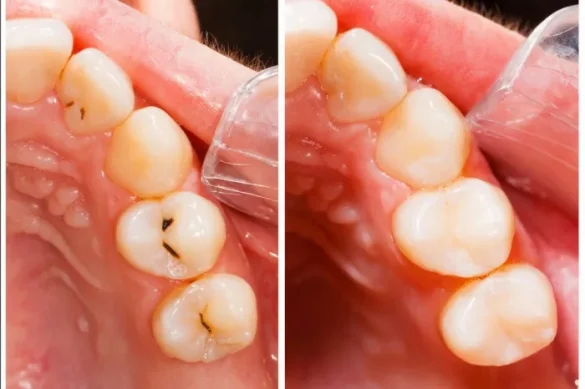
Tooth cavities are among the most prevalent oral health issues people face today. The notion of fixing a cavity without visiting the dentist appeals to many, especially those with busy schedules or dental anxiety. But is it really possible to repair a cavity at home? In this article, we will clarify what you can and cannot do, offer actionable tips to slow or prevent further tooth decay, and address popular natural remedies and myths.
Understanding Cavities and Tooth Decay
A cavity occurs when tooth enamel is damaged by acids created by bacteria feeding on sugars and starches in your mouth. These acids dissolve the mineral content of the enamel, leading to holes or weak spots. Initially, you might notice a white, chalky area on your tooth—this is early decay. As the process progresses, the enamel breaks down, and a cavity forms.
Can Cavities Be Fixed Without the Dentist?
The short answer is no. Once an actual cavity has formed—a hole in the tooth’s enamel—professional dental treatment is required to restore function and stop further damage. Dentists typically use fillings, root canals, or even extractions for advanced decay. However, early tooth decay can sometimes be halted or reversed naturally at home before a cavity develops.
Halting Tooth Decay: What You Can Do at Home
Although you cannot fill a cavity on your own, you can slow or prevent its progression by creating an environment where your teeth can remineralize. Here’s how:
Improve Oral Hygiene
Good oral hygiene is the foundation of cavity prevention and control. Brush your teeth twice a day for two minutes each time. Use toothpaste containing fluoride, which strengthens enamel and helps remineralize early decay. Floss at least once daily to remove plaque and food remnants between teeth. Rinse with a fluoride mouthwash to protect against bacteria and acids.
Adjust Your Diet
Diet plays a crucial role in oral health. Reduce your intake of sugary and starchy foods, as these feed the bacteria that produce decay-causing acids. Opt for foods rich in calcium (such as dairy, dark leafy greens, broccoli), which help strengthen teeth. Chew raw vegetables; their texture can help scrub away plaque naturally. Stay hydrated to support saliva production, which aids remineralization.
Consider Vitamins and Supplements
Certain vitamins and minerals support tooth health. Vitamin D is especially important, as it aids calcium absorption and promotes enamel repair. Other micronutrients—such as magnesium, vitamin B, and iron—also help maintain oral health. If your diet is lacking, consider adding supplements after consulting with your healthcare provider.
Natural Remedies: Separating Fact from Fiction
Many articles recommend natural solutions to heal cavities, but not all are supported by science. Here are a few popular methods:
Oil Pulling
Oil pulling involves swishing coconut, sesame, or sunflower oil in your mouth for 10-20 minutes. Clinical trials suggest that oil pulling reduces plaque, bacteria, and gingivitis. While it may benefit gum health, oil pulling cannot fill or remove a cavity. Always brush your teeth after oil pulling and never swallow the oil.
Probiotics
Consuming probiotics (found in foods like fermented vegetables, kefir, or kombucha) may help balance oral bacteria. Healthy bacteria can reduce plaque buildup and lower acidity, but they cannot reverse an existing hole in your tooth.
pH Management
Certain foods and beverages, like coffee and citrus, can lower mouth pH, which makes it easier for cavity bacteria to thrive. Substitute acidic drinks for green tea, which contains antibacterial and anti-inflammatory compounds. Keeping your mouth’s environment neutral supports overall oral health.
Monitoring Your Tooth Health at Home
If you suspect early decay, look for white or brown spots forming on your teeth. At this stage, remineralization is possible, and you should focus on diligent oral hygiene and dietary changes. However, once a cavity develops, only a dentist can complete the repair. Trying to fix a cavity yourself may lead to infection, pain, or tooth loss.
When to Seek Professional Help
Pain, sensitivity, visible holes, or roughness in a tooth are signs that professional evaluation is needed. Dentists use exams and possible X-rays to measure the extent of damage. Early intervention can save your tooth and prevent more invasive treatments in the future. Waiting too long can result in worsened issues that are more difficult and expensive to treat.
Preventing Cavities for Life
Instead of worrying about treating cavities at home, focus on prevention:
- Brush and floss daily with fluoride products.
- Eat a balanced diet low in sugar and high in calcium and fiber.
- Schedule regular dental checkups—typically twice per year.
- Consider additional protective treatments, such as fluoride varnish, upon your dentist’s advice.
Conclusion
While numerous strategies exist to strengthen teeth and slow the progression of early decay, fixing a formed cavity without dentist intervention is not possible. Home remedies and improved oral hygiene can help remineralize early lesions and support overall dental health, but only a dentist can fill cavities, perform root canals, or offer specialized solutions. Invest in daily prevention to protect your teeth and consult a professional for timely treatment.
Frequently Asked Questions
Can I reverse a cavity with diet or supplements?
No, you cannot reverse a physical cavity, but a balanced diet and proper supplements can help halt early decay before a cavity forms by supporting tooth remineralization.
Does oil pulling cure cavities?
Oil pulling may reduce bacteria and plaque, which benefits gum health, but it cannot repair a cavity once it has formed.
What are signs that a cavity needs professional attention?
Persistent pain, a visible hole, sensitivity to temperature or sweets, and discomfort when biting are signs the cavity requires dental treatment.
Is fluoride toothpaste necessary?
Yes, fluoride toothpaste is strongly recommended to support remineralization and help prevent cavities from forming.
How often should I visit the dentist?
Most people benefit from a dental visit every six months for early detection and prevention, though your dentist may advise a different frequency based on your risk.