


Dental implant infections can often be prevented with consistent daily care and timely professional support. This guide explains what causes implant infections, how to recognize early warning signs, and the preventive steps you can start using today. Whether you are planning to receive dental implants or already have them, understanding potential risks and taking early action can greatly improve long-term results.
Understanding Dental Implants and How Infections Develop
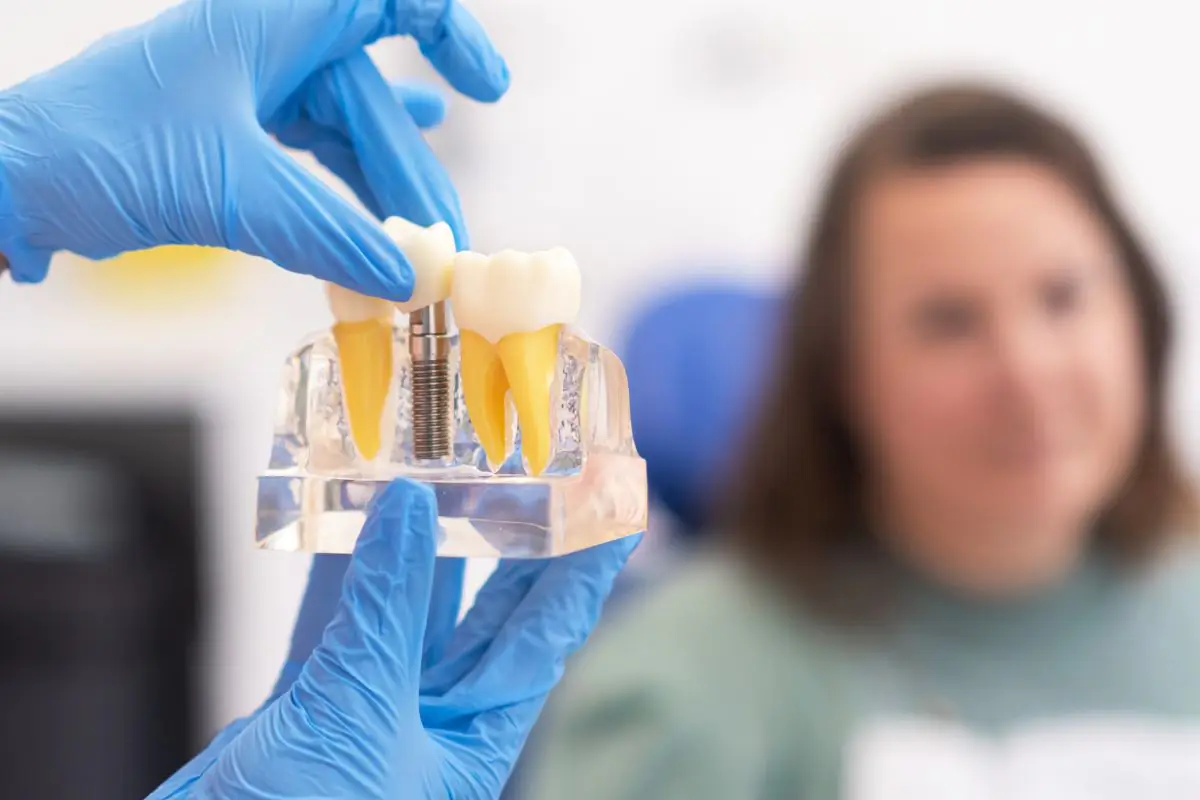
Dental implants replace missing teeth using a small post placed in the jawbone. Many patients choose implants because they feel stable and allow comfortable chewing. With proper oral hygiene and regular checkups, dental implants can last decades.
Infections develop when bacteria accumulate around the implant, irritating the surrounding gums and bone. Early gum inflammation is called peri-implant mucositis. When the infection spreads deeper and causes bone loss, it becomes peri-implantitis. Early care is key to stopping infection before it affects implant stability.
Common Causes of Dental Implant Infection
Several factors can increase the risk of infection around dental implants.
• Inconsistent oral hygiene that allows plaque buildup
• Previous gum disease
• Smoking or tobacco use
• Poorly controlled diabetes
• A weakened immune system
• Restorations that trap bacteria around the implant
• Grinding or excessive pressure on the implant
Addressing these risk factors early helps protect both the implant and the surrounding bone.
Early Warning Signs You Should Not Ignore
Recognizing symptoms early gives you the best chance to prevent complications. Contact your dentist if you notice:
• Red or swollen gums near the implant
• Bleeding during brushing or flossing
• Persistent tenderness or discomfort
• Bad breath or a bad taste that does not go away
• Gum recession or visible implant parts
• Discomfort while chewing
Early inflammation can often be managed before bone damage occurs.
Daily Habits That Help Prevent Implant Infection
Maintain Excellent Oral Hygiene
Brush twice daily using a soft-bristle toothbrush. Clean carefully around the implant and gumline. Floss daily and consider implant-friendly cleaning tools to remove plaque from hard-to-reach areas.
Use Antibacterial Rinses as Recommended
Alcohol-free antibacterial mouth rinses can help reduce bacteria around implants, especially during healing or when gums feel irritated.
Follow a Balanced Diet
A healthy diet supports gum health and immune function. Limiting sugary snacks also helps reduce bacterial growth.
The Role of Professional Care and Maintenance
Professional care plays a major role in maintaining implant health. During routine visits, your dentist checks gum health, measures tissue depth, and reviews X-rays to monitor bone levels.
Regular cleanings remove plaque that brushing alone may miss. This ongoing care supports long-term success after Dental Implant Treatment and helps prevent infection before it starts.
Why Untreated Implant Infections Are Serious
When left untreated, implant infections can damage the bone that supports the implant. Over time, this may cause loosening and implant failure. Infections can also affect nearby teeth and gums.
Early treatment helps protect your investment and avoids more complex procedures later.
Take the Next Step to Protect Your Dental Implants
Daily hygiene, healthy habits, and regular dental visits all play an important role in keeping implants free from infection. At Clear Creek Dentistry in Silverdale, WA, we support patients throughout every stage of dental implant care, from initial planning to ongoing maintenance and restorations. If you have dental implants or are planning treatment, professional support makes a difference. Visit us today to keep your dental implants healthy, comfortable, and strong for the long term.
FAQs About Dental Implant Infections
1. Can Dental Implants Get Infected Years Later?
Yes. Even after successful healing, infections can occur months or years later if plaque builds up or health conditions change. That is why regular dental visits and daily care remain important long after placement.
2. What is peri-implantitis?
Peri-implantitis is an infection that affects the gum tissue and bone surrounding a dental implant. If left untreated, it can lead to bone loss and threaten implant stability.
3. Are implant infections painful?
Some implant infections cause pain or discomfort, while others may start with mild swelling, redness, or bleeding around the implant.
4. Can implant infections be treated?
Yes, when caught early, implant infections can often be treated with professional dental care and improved oral hygiene practices.
5. How often should implants be checked?
Dental implants should be checked during regular dental visits, usually every six months. Your dentist may recommend more frequent visits if you have a higher risk of infection.
6. Can antibiotics clear up a dental implant infection?
Antibiotics can help control a dental implant infection by reducing bacteria and inflammation. However, they are usually combined with professional cleaning or treatment, since antibiotics alone may not fully eliminate the source of the infection.