


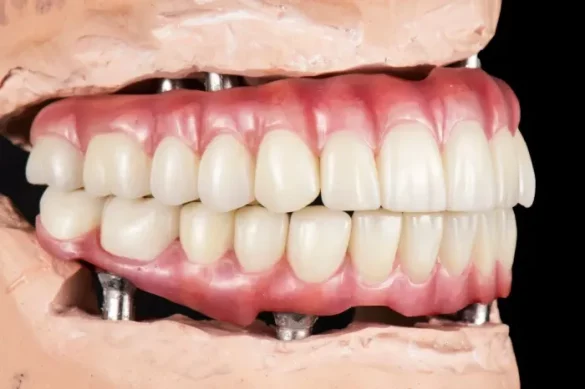
Dental implants are a popular and highly effective solution for replacing missing teeth, combining strength, function, and aesthetics. However, like natural teeth, dental implants are susceptible to infections if they are not cared for properly. Early identification of infection is crucial to preserving the implant, preventing bone loss, and maintaining your oral health. Knowing the warning signs and taking swift action can make all the difference in saving your implant and avoiding further complications.
Understanding Dental Implant Infections
A dental implant infection, also called peri-implantitis, occurs when bacteria invade the gum tissue and bone surrounding an implant. This infection can jeopardize both the gum tissue and jawbone support, potentially resulting in implant failure if not addressed promptly. peri-implantitis often develops due to poor oral hygiene, but other risk factors—like smoking, chronic diseases (for example, diabetes), or unresolved gum disease—may increase your susceptibility.
Common Signs and Symptoms of an Infected Dental Implant
Recognizing the early signs of dental implant infection is important. Not all discomfort means infection, but several clear symptoms should always be taken seriously:
persistent pain or discomfort
While mild soreness is normal in the days following implant placement, pain that persists or becomes more intense over time may signal infection. Chronic pain that does not subside with time or pain that worsens when chewing or touching the area should be evaluated by a dentist.
Swollen or red gums Around the Implant
swelling and inflammation are common after any surgical dental procedure. However, swelling that lingers, worsens, or is accompanied by redness or tenderness may indicate that an infection is present. If your gums are painful, hot, or look red near the dental implant, it’s a warning sign.
Persistent bad taste or Odor
Bacterial infections in the mouth lead to the production of unpleasant odors and tastes. If you constantly notice a bad taste that does not improve with brushing or mouth rinsing, or if you or others notice persistent bad breath, it could mean bacteria have become established around the implant.
bleeding Around the Implant
Some bleeding may naturally occur shortly after implant surgery. But ongoing or excessive bleeding—especially when brushing or flossing—is not normal. bleeding that continues for more than a few days should be treated as a possible infection.
pus or discharge
discharge of pus or yellowish fluid is a very strong indicator of infection. The presence of pus means white blood cells are fighting bacteria in the region. If you notice this discharge near your implant site, seek dental assistance immediately. Do not try to treat the condition yourself, as untreated infection can spread and worsen.
Loose or wobbly implant
Dental implants are made to integrate firmly with your jawbone (a process called osseointegration). A loose or wobbly implant can mean the surrounding bone or gum tissue is compromised by infection. This is a serious issue and should never be ignored. An implant should always feel stable and unmoving.
Increased swelling, redness, or fever
Normal swelling should decrease within a few days after surgery. However, swelling that increases, along with redness that spreads or the presence of fever, are clinical signs of infection. fever indicates your body is fighting bacteria, while growing redness and swelling show local tissue response to infection.
What Causes Dental Implant Infections?
Several factors may contribute to a dental implant becoming infected:
- Poor oral hygiene, allowing plaque and bacteria to build up around the implant.
- Smoking, which reduces blood supply and slows healing.
- Pre-existing gum disease (periodontal disease).
- Uncontrolled diabetes or other chronic illnesses that hinder healing.
- Failure to follow post-surgical care instructions, leading to contamination.
Key Differences Between Normal Healing and infection
Some discomfort, minor swelling, or occasional oozing is normal during the initial days after implant placement. However, if these symptoms persist, become severe, or include pus, increasing redness, or fever, infection should be suspected. Normally, pain and swelling improve each day after surgery. Infections, on the other hand, tend to worsen if left unaddressed.
When to Seek Dental Help
If you experience any of the following, contact your dentist immediately:
- persistent or severe pain at the implant site
- Ongoing swelling or redness around the implant
- Constant bad taste or breath
- bleeding that does not subside
- Visible pus or discharge
- the implant feels loose or moves
- fever, especially with worsening local symptoms
Prompt attention allows for early intervention, which helps save the implant in many cases and prevents the infection from spreading to nearby bone or other teeth.
What to Expect at the Dental Office
Your dentist will examine the affected site, possibly take x-rays to assess bone and tissue health, and determine the extent of infection. Treatment may include:
- Deep cleaning of the area around the implant
- Prescription antibiotics to control the infection
- Antimicrobial mouth rinses
- Surgical cleaning (sometimes needed)
- In severe cases, removal and replacement of the implant
Early, mild infection is often treatable without removing the implant. Severe infections that damage supporting bone may require further intervention.
How to Prevent Dental Implant Infections
Proactive care greatly reduces the risk of infection:
- Brush your teeth at least twice a day using a soft-bristled toothbrush
- Floss daily, making sure to clean around all sides of the implant
- Use an antibacterial mouthwash if advised by your dentist
- Attend dental checkups and professional cleanings regularly
- Avoid smoking and limit alcohol consumption
- Follow all dentist instructions after implant surgery
Individuals with diabetes should work with their healthcare team to keep blood glucose well controlled. Good general health supports healthy healing and implant success.
Special Considerations: Smoking and Chronic Diseases
Smokers are at a higher risk, since tobacco impairs gum and bone healing and increases bacterial buildup. Stopping smoking before and after implant placement can significantly improve implant health and reduce infection risk. Chronic illnesses like diabetes, if poorly controlled, can slow healing and lead to complications. Always inform your dentist of any medical changes.
Conclusion
Recognizing the signs of a dental implant infection and responding promptly is critical to protecting your oral health. Common warning symptoms include persistent pain, swelling, redness, bleeding, pus, bad taste, and loose implants. While infections are serious, they are manageable—especially if you catch the problem early. Maintaining excellent oral hygiene, attending regular dental visits, and following post-operative instructions are your best tools for avoiding complications and ensuring the long-term success of your dental implant.
Frequently Asked Questions (FAQs)
What should I do if I suspect my dental implant is infected?
Contact your dentist immediately for an evaluation. The sooner you act, the better your chances of successful treatment.
Can dental implant infections heal on their own?
No. Dental implant infections require professional treatment. If ignored, the infection will worsen and may lead to implant failure.
Does every pain around a dental implant mean it is infected?
No. Some mild pain or discomfort can occur during healing, but persistent, increasing, or severe pain is a warning sign.
How can I prevent my implant from becoming infected?
Maintain good oral hygiene, see your dentist regularly, avoid smoking, and follow all post-operative care instructions.
Is a loose implant a sign of infection?
Yes, a loose implant often means the surrounding tissue or bone is compromised, which may be caused by infection. Always consult your dentist if your implant feels loose.