


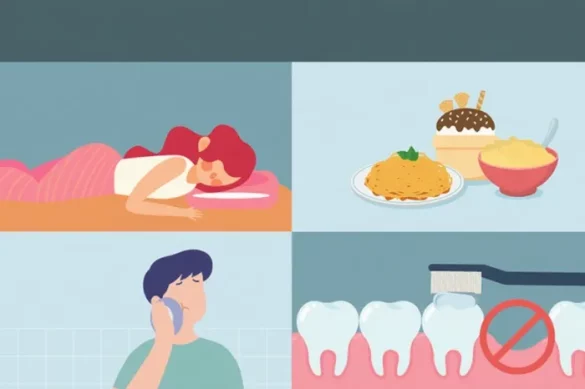
Braces are a popular and effective solution for correcting misaligned teeth and improving dental health. However, anyone who starts orthodontic treatment will likely encounter varying degrees of discomfort, especially after the initial fitting or when wires are tightened. While this pain is usually mild and temporary, it can make eating, speaking, or even smiling more difficult. Fortunately, there are many safe and proven ways to relieve braces pain at home, ensuring you can continue your braces journey with comfort and confidence.
Why Does Braces Pain Occur?
Braces work by gradually moving your teeth into better positions. This process places gentle but constant pressure on your teeth and the surrounding bone, which can result in soreness and tenderness, particularly after an orthodontic visit. In addition to pressure, friction from metal brackets and wires can irritate the inside of your cheeks, lips, and gums. Occasionally, wires may poke the back of your mouth, triggering additional discomfort. Even though these sensations are normal, understanding their cause can help you manage and relieve pain more effectively at home.
Immediate Home Remedies for Braces Pain
Cold Compress for Numbing Relief
One of the quickest ways to reduce braces pain is to apply a cold compress to the outside of your mouth where you feel discomfort. The cold helps numb the affected area and constricts blood vessels, lessening inflammation and dulling soreness. Hold a cold pack, a wrapped ice cube, or even a bag of frozen vegetables against your cheek for about 15-20 minutes. Repeat as needed throughout the day for best results.
Orthodontic Wax: Barrier Protection Against Irritation
Brackets and wires can sometimes rub against your mouth’s soft tissues, causing painful spots or abrasions. Orthodontic wax is a soft, moldable product designed to cover sharp edges on your braces and create a protective barrier, preventing further irritation. Simply pinch off a small piece, roll it into a ball, flatten, and press it onto any bracket or wire causing discomfort. Orthodontic wax is non-toxic and safe—just remember to take it off before brushing your teeth and replace after meals.
Salt Water Rinses for Healing and Cleansing
A warm saltwater rinse is a natural and gentle way to soothe sore gums and heal cuts caused by braces. Mix one teaspoon of salt into a cup of warm water, swish in your mouth for about 30 seconds, and spit it out. This can help reduce swelling, clean irritated areas, and promote healing. Use this rinse several times a day, especially after meals, to keep your mouth comfortable and clean.
Eating Soft Foods to Minimize Chewing Stress
During periods of soreness, stick to soft foods that are easy to bite and chew. Tough, crunchy, or chewy items can stress your teeth and worsen the pain. Ideal soft foods include mashed potatoes, yogurt, applesauce, oatmeal, soups, scrambled eggs, and smoothies. Cold foods like ice cream or frozen yogurt can also help numb sensitive areas for added relief.
Massage for Sore Gums
Gently massaging your gums can boost blood flow, promote healing, and ease discomfort. Using a clean finger or a soft toothbrush, rub your gums in a circular motion for up to two minutes. For extra relief, you can rub your gums with an ice cube before the massage. This simple technique is especially helpful after braces have been tightened.
Staying Hydrated for Oral Health
Dryness worsens irritation in the mouth. Drinking plenty of water flushes out food particles that can get stuck in braces and keeps your gums hydrated. Cold water can also offer a soothing, mild numbing effect on sore spots.
Using a Heating Pad for Jaw Pain
For those experiencing jaw soreness or muscle tension after orthodontic adjustments, applying a warm heating pad to the area for 15–20 minutes can help relax stiff muscles and relieve pain. Heat is particularly effective if your main discomfort is muscular rather than inside the mouth.
Over-the-Counter Options for Braces Pain
Oral Painkillers
Non-prescription medications like acetaminophen or ibuprofen can help manage pain following a new fitting or wire adjustment. Take them as directed on the label and never for extended periods without dental approval. Consider taking medication about an hour before your orthodontic appointment to minimize post-visit discomfort.
Oral Anesthetics
Products like Orajel or Anbesol can be applied with a clean finger or cotton swab directly onto sore spots in your mouth. These gels temporarily numb the area, reducing pain and making eating or speaking easier.
Daily Habits That Support Braces Comfort
Practice Excellent Dental Hygiene
Good oral care is essential during orthodontic treatment. Food can easily become trapped around brackets and wires, leading to gum inflammation or tooth decay, which only adds to discomfort. Brush and floss thoroughly, and consider using a mouthwash to rinse away bacteria and debris. Clean braces mean healthier gums and less pain.
Be Patient With Your Progress
Soreness from braces often fades within a few days. Remind yourself of the goal: a healthy, beautiful smile. Stay patient, follow your orthodontist’s advice, and remember that each adjustment is a step closer to lasting results.
When to Contact Your Orthodontist
While most braces pain is normal and manageable at home, you should seek professional advice if:
- Pain or soreness lasts longer than a week
- Wires or brackets break, or poke your cheeks or gums painfully
- You see signs of infection, such as pus, persistent swelling, or bleeding
Orthodontists can make adjustments, fix broken parts, or recommend further treatments if home remedies are not effective.
Conclusion
Braces pain is an expected part of orthodontic treatment, but it does not have to interfere with your daily life. By using simple, practical home remedies such as cold compresses, soft foods, saltwater rinses, orthodontic wax, gentle massages, and proper oral hygiene, you can control discomfort safely until your mouth adjusts. Remember, you are not alone, and if pain persists or becomes severe, your orthodontist is ready to help. Staying informed and proactive will ensure a smoother, healthier orthodontic journey.
FAQs
How long does braces pain usually last?
Braces pain often peaks within 24-48 hours after fitting or tightening and subsides in a few days.
Can I use orthodontic wax all the time?
Yes, orthodontic wax is safe for daily use. Remove it before brushing or eating and reapply as needed.
What foods should I avoid when my braces hurt?
Avoid hard, crunchy, sticky, or chewy foods, as these aggravate sore teeth and could damage the braces.
Is it normal if pain lasts over a week?
No, pain lasting more than a week may indicate an issue. Contact your orthodontist for guidance.
Are there risks in using over-the-counter pain medicine?
When taken as directed, these medicines are typically safe for temporary use. Avoid frequent drug use and consult your orthodontist if pain persists.