


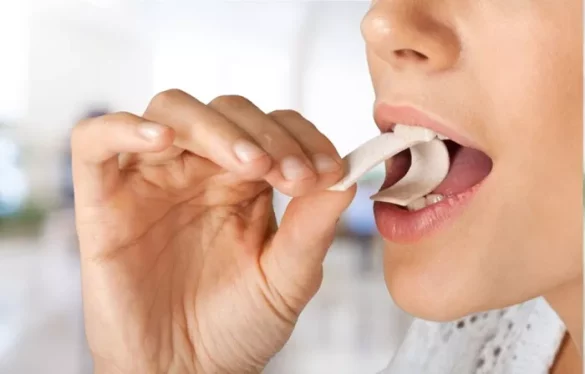
Dentures are removable dental appliances designed to replace missing teeth. They help restore your ability to eat, speak, and smile confidently. However, certain foods and substances, including chewing gum, can stick to dentures, causing discomfort and potential damage. Understanding why gum adheres to dentures is the first step in preventing it.
Materials Used in Dentures
Most dentures are made from acrylic resins, sometimes combined with metal frameworks. Acrylic is porous, which means it can easily attract sticky substances like chewing gum. Over time, these sticky residues can cause discoloration and increase the risk of gum disease if not properly cleaned.
Why Gum Sticks
Chewing gum contains synthetic resins and sugars, which adhere strongly to smooth or porous surfaces. When gum comes into contact with dentures, especially when warm, it can mold to the shape of the denture and become difficult to remove. The sugar content in gum can also promote bacterial growth, increasing the risk of gum disease and unpleasant odors.
Immediate Steps to Remove Stuck Gum
If chewing gum becomes stuck to dentures, prompt removal is essential to avoid long-term damage. Here are some effective methods.
Freezing Method
Place the denture in a sealed plastic bag and put it in the freezer for 15-20 minutes. The gum hardens and becomes brittle. Once firm, gently scrape the gum off using a soft-bristled brush or a blunt utensil. Avoid using sharp objects, as they can scratch the acrylic and cause micro-damage that encourages bacterial growth.
Boiling Water Method
Submerge the denture in hot (not boiling) water for a few minutes. The heat softens the gum, making it easier to remove with a soft brush. Take care not to expose dentures to excessively high temperatures, as this can warp the acrylic and affect the fit, potentially leading to sensitive teeth or sore gums.
Vegetable Oil or Peanut Butter
Apply a small amount of vegetable oil, olive oil, or peanut butter to the gum residue. Let it sit for a few minutes, allowing the oil to penetrate and loosen the gum. Then, gently wipe it away with a soft cloth or brush. This method is safe for dentures and helps prevent abrasive damage.
Daily Preventive Measures
Prevention is better than cure. Adopting daily habits can reduce the likelihood of gum sticking to dentures.
Avoid Chewing Gum with Dentures
The simplest way to prevent sticking is to avoid chewing gum while wearing dentures. Sugar-free alternatives can be considered if necessary, but consult with your dentist to ensure safety.
Proper Denture Cleaning
Clean dentures daily using a soft-bristled denture brush and non-abrasive cleaner. Remove any food debris, plaque, or bacteria that can make dentures more prone to gum adhesion. Regular cleaning also helps prevent gum disease and irritation of sensitive teeth areas.
Use Denture Adhesives Correctly
Some adhesives can create a sticky layer that unintentionally attracts gum. Apply adhesives sparingly and according to the manufacturer’s instructions. Overuse can also increase pressure on gums, leading to discomfort and potential irritation.
Choosing Denture-Friendly Foods
Dietary choices play a role in preventing gum and other sticky substances from adhering to dentures.
Avoid Sticky or Hard Candies
Sticky foods, including caramel, taffy, and certain candies, can adhere to dentures just like chewing gum. Hard foods can cause dentures to shift, creating spaces where sticky residue can accumulate.
Incorporate Soft, Non-Sticky Foods
Opt for soft foods that are easier to chew and less likely to stick. Fruits, cooked vegetables, and soft proteins reduce the chances of gum adhesion and make dentures more comfortable to wear.
Professional Dental Care
Regular dental visits are crucial for maintaining denture health and overall oral hygiene.
Routine Checkups
Visit your dentist at least twice a year. They can check the fit of your dentures, clean them professionally, and provide advice to prevent issues like gum disease or damage caused by sticky foods.
Addressing Sensitive Teeth and Gums
Some denture wearers experience sensitive teeth or gum discomfort. Dentists can recommend soft liners or adjust the fit to reduce irritation. Proper care helps avoid conditions where sticky substances like gum could worsen sensitivity.
Home Remedies and Cautions
While home remedies can help, caution is necessary to protect dentures and oral health.
Ice Cubes
Rubbing ice cubes on gum residue can harden it, making removal easier. Always handle dentures gently to avoid cracks or chips.
Alcohol-Based Solutions
Some recommend using small amounts of alcohol-based mouthwash to loosen gum. While effective, avoid soaking dentures in alcohol for extended periods, as this can degrade acrylic and metal components.
Avoid Sharp Tools
Never use knives, scissors, or metal objects to scrape gum. Even minor scratches can harbor bacteria, increasing the risk of gum disease and making dentures more difficult to clean.
Maintaining Denture Longevity
Consistent care prolongs the life of your dentures and maintains oral health.
Store Dentures Properly
When not in use, keep dentures in a clean container filled with water or a denture solution. Drying out can warp the acrylic, creating uneven surfaces where gum can stick more easily.
Regular Denture Replacement
Dentures wear down over time. Cracks, scratches, or worn areas make them more susceptible to sticky substances. Replace dentures as recommended by your dentist to avoid complications with gum disease or irritation.
Understanding the Risks of Gum on Dentures
Allowing gum to remain on dentures can have several consequences beyond mere inconvenience.
Increased Bacterial Growth
Gum residues provide a breeding ground for bacteria, which can lead to gum disease or bad breath. Proper removal is essential for oral hygiene.
Damage to Denture Surfaces
Sticky gum can pull on the acrylic surface when removed improperly, causing scratches. These micro-abrasions attract more debris and bacteria, creating a cycle of plaque buildup and potential sensitive teeth or gum irritation.
Oral Discomfort
Residue from gum can create pressure points on the gums, leading to soreness or ulcers. Regular cleaning and preventive measures reduce discomfort and improve overall denture comfort.
Conclusion
Chewing gum sticking to dentures is a common issue that can be managed with proper care and preventive measures. Understanding why gum adheres, using immediate removal techniques, maintaining a denture-friendly diet, and consulting with dental professionals all contribute to healthier, more comfortable denture wear. Attention to oral hygiene, regular checkups, and cautious use of home remedies ensures that dentures remain functional and safe, reducing the risk of gum disease and protecting sensitive teeth. By following these guidelines, denture wearers can enjoy a hassle-free experience and maintain optimal oral health.