


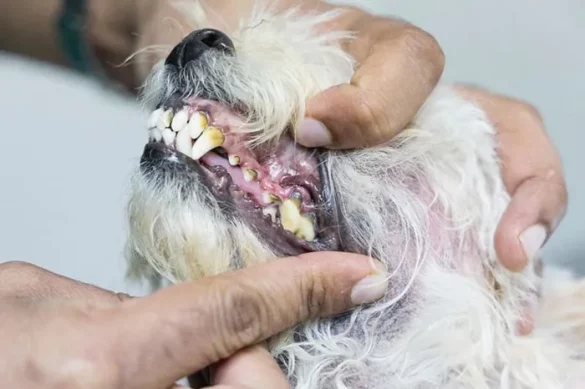
Periodontal disease is a common and serious issue in dogs, especially as they age. Advanced periodontal disease affects not only the teeth and gums but can also lead to complications in other organs, such as the heart and kidneys, due to bacterial spread. Treating advanced periodontal disease in dogs requires a combination of professional veterinary care, appropriate home management, and consistent long-term maintenance. Early recognition and intervention can greatly improve your dog’s comfort and extend their healthy years.
What Is Advanced Periodontal Disease in Dogs?
Periodontal disease refers to infection and inflammation of the structures supporting the teeth. In its advanced stage, it involves severe gum recession, bone loss, loose teeth, and chronic pain. Bacteria beneath the gum line cause infection, destroy tissue, and may enter the bloodstream, affecting overall health. You may notice foul breath, bleeding gums, difficulty eating, loose teeth, and pus around the teeth in affected dogs.
Causes and Risk Factors
The primary cause of advanced periodontal disease in dogs is plaque and tartar that are not removed over time. Plaque is a sticky film of bacteria that hardens into tartar, which can only be removed by professional cleaning. Certain breeds, especially small and toy breeds, are at higher risk. Poor oral hygiene, inadequate diet, genetics, age, and lack of dental care all contribute to advanced periodontal disease.
Recognizing the Symptoms
Recognizing signs early is crucial for effective treatment. Common symptoms of advanced periodontal disease in dogs include:
- Bad breath that does not improve with standard cleaning
- Red, swollen, or bleeding gums
- Obvious pain when eating or reluctance to eat
- Loose or missing teeth
- Visible pus or discharge from the gums
- Drooling and pawing at the mouth
- Weight loss or decreased energy due to pain
If you notice these symptoms, consult your veterinarian as soon as possible.
Diagnosing Advanced Periodontal Disease
A veterinarian will perform a thorough oral examination, often under sedation. Dental X-rays are essential in identifying bone loss, hidden infection, and damage below the gum line. Blood tests may be required to ensure your dog is healthy enough for anesthesia and to check for potential complications in other organs.
Professional Veterinary Treatment
Treating advanced periodontal disease cannot be achieved through brushing alone. A professional veterinarian will provide the following treatments:
1. Complete Dental Cleaning
Your dog will be anesthetized for a comprehensive cleaning. This allows the veterinarian to clean below the gum line, where most periodontal infection resides. Tartar and plaque are removed from all tooth surfaces.
2. Scaling and Root Planing
This involves scraping away tartar and bacteria from the root surfaces. It is necessary to prevent further destruction of gum and bone tissue.
3. Periodontal Surgery
In severe cases, surgical intervention may be needed. This can include opening the gum tissue to clean deeper pockets of infection, smoothing bone defects, and placing regenerative materials to restore lost bone if possible.
4. Tooth Extraction
Teeth that are severely loose, infected, or causing pain will be extracted. Removing these teeth can relieve significant discomfort and stop the spread of infection.
Medications for Periodontal Disease
After the procedure, your veterinarian may prescribe antibiotics to fight infection and pain medications to keep your dog comfortable. Anti-inflammatory drugs may also be necessary to reduce swelling and help healing.
Home Care After Treatment
Proper home care is essential to support your dog’s recovery. Follow these guidelines after professional treatment:
- Give all prescribed medications exactly as directed by your veterinarian
- Feed a soft diet for several days if extractions or surgery were performed
- Keep your dog calm and prevent chewing on hard objects until fully healed
- Monitor your dog’s mouth for increased redness, swelling, or discharge and alert your veterinarian if these occur
Long-Term Prevention and Dental Maintenance
Preventing recurrence of periodontal disease requires daily effort. Establishing and maintaining a home care routine is critical:
1. Brushing Your Dog’s Teeth
Brush your dog’s teeth every day with a pet-safe toothpaste. This is the most effective method of removing new plaque. Introduce brushing gently, using positive reinforcement so your dog can adjust comfortably.
2. Dental Diets and Chews
Special dental diets and treats can help clean your dog’s teeth by reducing plaque buildup. Choose products that have been tested and approved by veterinary dental organizations.
3. Regular Veterinary Check-Ups
Schedule dental examinations at least once a year. Your veterinarian can check for early signs of gum disease and recommend cleanings when needed.
4. Avoid Risk Factors
Protect your dog from chewing on hard bones, stones, or toys that can damage their teeth and gums. Maintain a balanced, high-quality diet to support overall oral health.
Advanced or Complicated Cases
Some dogs with complicated or recurring periodontal disease may benefit from referral to a veterinary dentist, especially if advanced procedures or reconstructive surgery are required. Dogs with underlying conditions, such as diabetes or immune issues, may need customized dental care plans.
Importance of Early Intervention
Advanced periodontal disease is painful and can shorten your dog’s life if left untreated. Early identification and treatment prevent complications like jaw fractures, systemic infections, and organ damage. Investing in dental care now can save costs and heartache in the future.
Conclusion
Advanced periodontal disease in dogs is a severe condition that demands comprehensive treatment and lifelong management. Professional veterinary intervention is essential for immediate care, while home hygiene and regular check-ups are vital for prevention. With prompt action, proper care, and commitment to oral health, you can restore comfort for your pet and ensure a happier, healthier future.
FAQs
What signs indicate my dog may have advanced periodontal disease?
Signs include persistent bad breath, bleeding or swollen gums, pain when eating, loose or missing teeth, pus around the teeth, and changes in appetite or behavior.
Can advanced periodontal disease in dogs be cured at home?
No. Advanced cases require veterinary treatment, including dental cleaning, possible surgery, and extractions. Home care alone cannot resolve deep infection or bone loss.
How often should I have my dog’s teeth checked by a veterinarian?
Dogs should have dental exams at least once a year. Some breeds or high-risk dogs may need more frequent visits as recommended by your vet.
Are there ways to prevent periodontal disease from coming back?
Yes. Daily tooth brushing, professional cleanings, a dental diet, and avoiding chewing hard objects can reduce the risk of recurrence.