


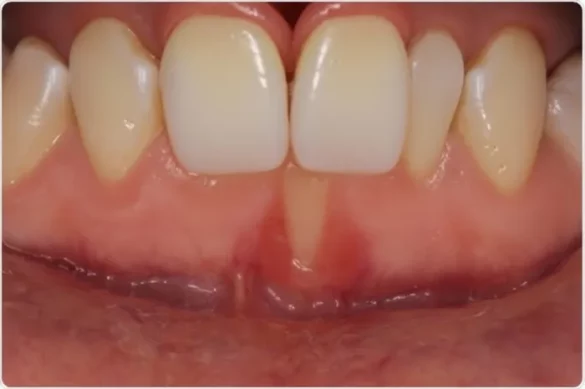
Gingivitis is a common condition that affects many women during pregnancy. The significant hormonal changes that occur can make the gums more sensitive and more prone to inflammation and infection. If you are expecting and experience symptoms such as swollen, tender, or bleeding gums, you may have pregnancy gingivitis. Understanding how to treat this condition is crucial for protecting your oral health and overall well-being during this time.
Understanding Pregnancy Gingivitis
Pregnancy gingivitis is a form of gum disease that develops due to hormonal shifts in expecting mothers. The increase in hormones like progesterone can lead to a heightened response to plaque, a sticky film of bacteria that forms on teeth and gums. This reaction makes gums more likely to become inflamed and bleed. Typically, pregnancy gingivitis can appear between the second and eighth months of pregnancy, with symptoms often peaking in the third trimester.
Common Symptoms
The main symptoms of pregnancy gingivitis include:
- Swollen and puffy gums
- Soreness or tenderness in the gum tissue
- Bleeding gums, particularly when brushing or flossing
- Red or discolored gums
- Bad breath
Not every pregnant woman will experience these symptoms, but it is important to recognize them early to begin proper treatment and avoid complications.
Why Is Gingivitis More Common During Pregnancy?
Hormonal changes are at the root of pregnancy gingivitis. The body increases production of certain hormones, primarily progesterone, which can change how the gums react to bacteria and plaque. The immune system becomes more sensitive to these bacteria, leading to a higher risk of inflammation. In addition, other pregnancy symptoms like morning sickness may expose the mouth to stomach acids, further irritating the gums and increasing susceptibility to gingivitis.
Risks Associated With Untreated Pregnancy Gingivitis
If not managed properly, pregnancy gingivitis can develop into more serious forms of gum disease, such as periodontitis. Severe gum disease can lead to tooth loss and has been associated with some pregnancy complications, including preterm birth and low birth weight. Thankfully, pregnancy gingivitis rarely leads to tooth loss if treated early and correctly. Loose teeth during pregnancy are uncommon, and mild shifting or loosening is usually due to hormonal changes, not advanced gum disease.
Practical Steps for Treating Pregnancy Gingivitis
A simple and effective oral care routine is key for managing gingivitis during pregnancy. Below are recommended steps you can take:
1. Brush and Floss Daily
Brush your teeth twice each day with a soft-bristled toothbrush and fluoride toothpaste. This helps remove plaque and food particles that can trigger gum inflammation. Be gentle to avoid further irritation. Flossing once a day is equally important for cleaning between teeth and along the gum line, areas where toothbrushes cannot reach.
2. Rinse With Saltwater
Morning sickness and vomiting can expose your gums and teeth to stomach acid, which can damage oral tissues. Rinsing your mouth with a warm saltwater solution can help neutralize acids and soothe inflamed gums. Mix half a teaspoon of salt with a glass of warm water and rinse your mouth gently. You can do this after episodes of nausea or vomiting or whenever your gums feel sore.
3. Use Antibacterial Mouthwash
Add an alcohol-free antibacterial mouthwash to your oral hygiene routine to help reduce bacteria and plaque. Mouthwash can reach areas that brushing and flossing miss and is most effective when used after flossing, as it washes away any loosened debris and plaque. Make sure to choose a mouthwash labeled as safe for pregnancy and ask your dentist for recommendations.
4. Maintain Regular Dental Checkups
Visit your dentist regularly—at least once every six months, or more often if advised. Dental professionals can monitor your gum health, provide specialized cleanings, and offer tailored advice to help you manage gingivitis safely. Early detection and professional treatment are crucial for preventing problems before they worsen. Inform your dentist about your pregnancy so they can ensure your care plan is appropriate for your condition.
5. Manage Morning Sickness and Diet
If you experience frequent nausea or vomiting, rinse your mouth with water, then a saltwater solution. Avoid brushing immediately after vomiting; wait about 30 minutes to protect your tooth enamel. Opt for a diet rich in vitamins C and D, and calcium, as these nutrients support gum and bone health. Limit sugary snacks and drinks, which encourage plaque formation.
6. Practice Good Overall Health Habits
Staying hydrated supports healthy saliva production, which helps protect against bacteria. Avoid tobacco products, as they can make gum disease worse and harm your overall pregnancy health. Take all prenatal vitamins as prescribed to strengthen your immune system and oral tissues.
What to Expect After Pregnancy
Pregnancy gingivitis often improves after childbirth as hormone levels return to normal. Continue with good oral hygiene practices to ensure your gums recover fully. Schedule a dental checkup within a few months postpartum to monitor your recovery and address any lingering issues.
When to Contact Your Dentist
If you notice severe gum swelling, persistent pain, heavy bleeding, or your teeth feel very loose, consult your dentist without delay. These could be signs of periodontitis or other dental problems that need prompt professional care. Never ignore ongoing symptoms, as early intervention leads to better outcomes.
Conclusion
Gingivitis is a frequent concern during pregnancy, but with careful attention to oral hygiene, regular dental visits, and a healthy lifestyle, it is entirely manageable. By understanding the causes, recognizing symptoms early, and following recommended treatments, you can protect your gum health and overall well-being. Always keep open communication with your dental care provider, as professional guidance will help you navigate the changes that occur during pregnancy and ensure you have a healthy smile throughout this important stage of life.
Frequently Asked Questions
Can pregnancy gingivitis harm my baby?
Pregnancy gingivitis rarely causes direct harm to your baby but severe gum disease may increase the risk of complications like preterm birth. Early detection and proper dental care reduce this risk.
Is it safe to have dental cleanings during pregnancy?
Yes. Routine dental cleanings and checkups are safe during pregnancy and important for oral health. Tell your dentist you are pregnant so they can adapt treatment as needed.
How long does pregnancy gingivitis last?
Most women find their gum symptoms subside after childbirth, but continuing good oral care helps speed recovery.
Are mouthwashes safe during pregnancy?
Alcohol-free antibacterial mouthwashes are generally safe; ask your dentist for specific recommendations, especially if you have sensitivities.
What should I do if my gums bleed during pregnancy?
Bleeding gums are a common symptom of gingivitis in pregnancy. Continue with gentle brushing and flossing, rinse with saltwater, and schedule a dental checkup to rule out more serious problems.