


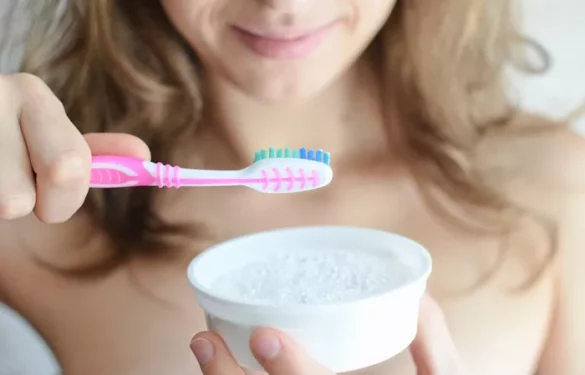
Baking powder, often confused with baking soda, is a common household product. While baking soda is widely recommended for oral care, baking powder is slightly different because it contains acid salts in addition to sodium bicarbonate. Despite this difference, many people explore its use for teeth whitening due to its mild abrasive nature. This guide will explain how to use baking powder safely and effectively to improve oral hygiene.
Understanding the Chemistry of Baking Powder
Baking powder contains three key components: a base (sodium bicarbonate), an acid (like cream of tartar), and a moisture absorber (like cornstarch). When combined with water, it releases carbon dioxide, which creates bubbles. This chemical reaction can provide mild abrasive action to remove surface stains on teeth. However, excessive or improper use can damage enamel, so caution is necessary.
The Difference Between Baking Powder and Baking Soda
Baking soda is pure sodium bicarbonate and is more commonly used for dental care. Baking powder has added acidic ingredients that may reduce its effectiveness for whitening compared to baking soda. It is slightly less abrasive but should still be used sparingly to avoid enamel erosion.
Benefits of Using Baking Powder on Teeth
When used correctly, baking powder can provide several dental benefits:
Surface stain removal: Mild abrasion can reduce discoloration from coffee, tea, or smoking.
Neutralizing acids: The alkaline nature can help reduce acidity in the mouth, which may lower the risk of cavities.
Freshening breath: Baking powder may neutralize some odor-causing bacteria.
Precautions Before Using Baking Powder
While baking powder can help improve tooth appearance, it is not a substitute for professional dental care. Consider these precautions:
Consult a dentist: Especially if you have sensitive teeth, cavities, or gum disease.
Limit frequency: Overuse can wear down enamel, leading to sensitivity.
Avoid swallowing: Baking powder is safe in small amounts, but swallowing large quantities can upset your stomach.
Use soft-bristled brushes: This reduces abrasive damage to enamel and gums.
Step-by-Step Guide to Using Baking Powder on Teeth
Step 1: Gather Your Supplies
You will need the following items:
- 1 teaspoon of baking powder
- 1-2 teaspoons of water or coconut oil
- Soft-bristled toothbrush
- Small bowl or cup
- Timer or clock
Step 2: Prepare the Mixture
In a small bowl, mix the baking powder with water or coconut oil until it forms a smooth paste. Coconut oil can add antimicrobial benefits and reduce the abrasive effect of baking powder.
Step 3: Apply to Teeth
Using a soft-bristled toothbrush, gently apply the paste to your teeth. Focus on areas with visible stains but avoid excessive rubbing. Limit brushing to 1-2 minutes.
Step 4: Rinse Thoroughly
After brushing, rinse your mouth thoroughly with warm water to remove any residue. This step helps prevent potential enamel damage or irritation to gums.
Step 5: Follow-Up Oral Care
After using baking powder, brush your teeth with regular fluoride toothpaste. This reinforces enamel protection and helps maintain oral health.
Step 6: Frequency of Use
Use baking powder on teeth no more than 1-2 times per week. Overuse can lead to enamel erosion, sensitivity, and gum irritation.
Tips for Maximizing Safety and Effectiveness
Combine with fluoride toothpaste: Protects enamel while enhancing stain removal.
Do not use on cracked or sensitive teeth: Can cause discomfort or further damage.
Use a gentle circular motion: Reduces risk of abrasions.
Rinse with salt water: After treatment, can soothe gums and reduce irritation.
Avoid acidic drinks afterward: Acidic foods or drinks can weaken enamel after abrasive treatments.
Alternatives to Baking Powder for Teeth Whitening
For those concerned about potential risks, consider these safer options:
- Baking soda: More commonly used and safer for regular whitening.
- Whitening toothpaste: Fluoride-based and enamel-safe.
- Professional dental cleaning: Removes deep stains without damaging teeth.
- Hydrogen peroxide mouth rinse: Diluted solutions can whiten teeth with professional guidance.
Understanding Potential Risks
Improper use of baking powder can lead to:
- Enamel erosion: Abrasive particles may wear down enamel over time.
- Gum irritation: Can cause redness, swelling, or bleeding.
- Tooth sensitivity: Frequent use can expose dentin, leading to sensitivity to hot or cold.
- Digestive upset: Swallowing large amounts may irritate the stomach.
When to Seek Professional Advice
Always consult a dentist if you experience:
- Persistent tooth sensitivity
- Enamel damage or cracks
- Gum inflammation or bleeding
- Unusual discoloration that does not improve
Conclusion
Baking powder can provide mild surface stain removal when used properly, but it must be approached with caution. By following the step-by-step guide, maintaining limited frequency, and combining with professional oral care practices, you can achieve a brighter smile safely. Always prioritize enamel health and consult your dentist before starting any new whitening regimen.