


A bright smile can significantly enhance your confidence and overall appearance. Many people are turning to at-home whitening solutions, such as Listerine whitening patches, to achieve a whiter smile conveniently and effectively. As a dentist, I want to provide you with a comprehensive guide on how to use these whitening patches safely and effectively. This article will cover everything from understanding the product to step-by-step instructions for application, tips for managing sensitivity, and maintaining your results.
Understanding Listerine Whitening Patches
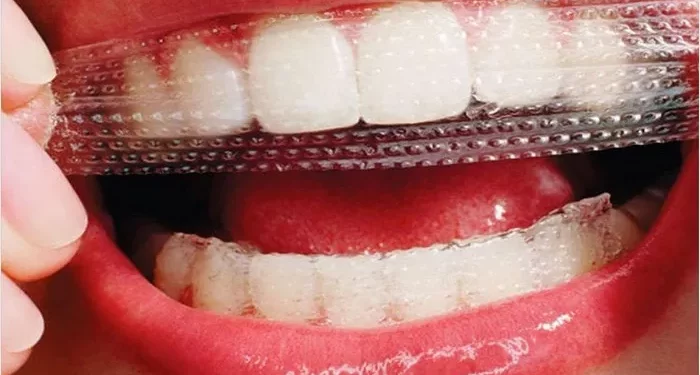
Listerine whitening patches are thin, flexible strips coated with a whitening gel that contains hydrogen peroxide, a common ingredient used in teeth whitening products. These patches are designed to adhere to your teeth and gradually lighten their color by breaking down stains caused by food, beverages, and other factors. The convenience of these patches makes them an appealing option for those looking to whiten their teeth without the need for professional treatments.
Benefits of Using Listerine Whitening Patches
Convenience: Listerine whitening patches can be applied at home, making them easy to incorporate into your daily routine.
Easy to Use: The application process is straightforward, requiring no special tools or equipment.
Effective Results: Many users report visible results after just a few applications, making them a popular choice for quick whitening.
Preparing for Whitening
Before you start using Listerine whitening patches, it’s essential to prepare properly. Here are the steps to follow:
1. Consult Your Dentist
Before beginning any whitening treatment, it’s advisable to consult your dentist. They can evaluate your oral health and determine if whitening is appropriate for you. Your dentist can also recommend the best products based on your specific needs and dental history.
2. Choose the Right Product
While Listerine whitening patches are effective, it’s essential to ensure they are right for you. Check for:
- Active Ingredients: Listerine whitening patches typically contain hydrogen peroxide as the active whitening agent. Ensure you are not allergic to any of the ingredients.
- Sensitivity Considerations: If you have sensitive teeth or gums, discuss with your dentist whether these patches are suitable for you.
3. Brush and Floss Your Teeth
Before applying the whitening patches, brush and floss your teeth gently. This helps remove plaque and food particles, allowing the whitening gel to penetrate more effectively. However, avoid using whitening toothpaste immediately before applying the patches, as this may interfere with their effectiveness.
Step-by-Step Guide to Applying Listerine Whitening Patches
Now that you are prepared, let’s go through the steps to apply Listerine whitening patches effectively.
Step 1: Gather Your Supplies
Before you begin, make sure you have everything you need:
- Listerine whitening patches
- A mirror
- A timer or clock
- A toothbrush (for post-application cleaning)
Step 2: Wash Your Hands
Before handling the whitening patches, wash your hands thoroughly to ensure they are clean. This helps prevent introducing bacteria into your mouth.
Step 3: Open the Package
Carefully open the package containing the Listerine whitening patches. Most products will have multiple patches, typically designed for both upper and lower teeth. Be gentle to avoid tearing the patches.
Step 4: Remove the Patch
Take one patch out of the package and peel it away from the backing. Be careful not to touch the gel side of the patch with your fingers, as this can reduce its effectiveness.
Step 5: Apply the Patch to Your Teeth
Align the patch with your teeth, ensuring it covers the front surface of each tooth. Press the patch gently against your teeth to ensure good contact. If the patch overlaps your gums slightly, that’s usually acceptable, but avoid letting it sit directly on your gums for extended periods, as this can cause irritation.
Step 6: Repeat for the Lower Teeth
Take the second patch and repeat the process for your lower teeth. Ensure both patches are positioned correctly and securely.
Step 7: Set a Timer
Once both patches are in place, set a timer for the recommended wear time. This is typically between 30 minutes to an hour, depending on the product. Avoid exceeding the recommended time, as this can increase the risk of sensitivity and irritation.
Step 8: Relax and Avoid Eating or Drinking
While the whitening patches are on your teeth, avoid eating or drinking anything, especially staining foods and beverages (like coffee, tea, red wine, or colored sodas). This will help ensure that the whitening gel works effectively without interference.
Step 9: Monitor for Sensitivity
Some users may experience tooth sensitivity or gum irritation during or after using the patches. If you notice significant discomfort, remove the patches immediately and rinse your mouth with water. If sensitivity persists, consult your dentist.
Step 10: Remove the Patches
Once the recommended time has elapsed, gently peel the patches off your teeth. Dispose of them properly. Avoid rinsing your mouth immediately, as this can wash away any remaining gel that may still be working.
Step 11: Rinse Your Mouth
After a few minutes, rinse your mouth with water to remove any remaining gel. This will help prevent irritation to your gums and ensure that your mouth feels fresh.
Step 12: Avoid Staining Foods and Beverages
For at least 24 hours after using Listerine whitening patches, avoid foods and drinks that can stain your teeth. This includes coffee, tea, red wine, dark sodas, and certain fruits. Opt for lighter-colored foods and beverages during this time.
Step 13: Maintain Good Oral Hygiene
Continue to practice good oral hygiene by brushing and flossing your teeth regularly. This will help maintain your results and keep your teeth healthy.
Managing Sensitivity
If you experience sensitivity after using Listerine whitening patches, here are some tips to help alleviate discomfort:
1. Use Desensitizing Toothpaste
Switch to a desensitizing toothpaste designed for sensitive teeth. These products can help block pain signals and provide relief.
2. Take Breaks Between Treatments
If you notice increased sensitivity, consider taking a break between whitening sessions. This will give your teeth time to recover before you continue the whitening process.
3. Consult Your Dentist
If sensitivity persists or worsens, consult your dentist for personalized advice. They may recommend alternative whitening options or strategies to manage discomfort.
Frequency of Use
Most whitening patches can be used daily or every other day, depending on the specific product. However, it’s important not to overuse them. Following the manufacturer’s guidelines is crucial for achieving the best results while minimizing the risk of sensitivity and irritation.
Alternative Whitening Options
If you find that Listerine whitening patches are not suitable for you or if you are looking for alternative methods, consider the following options:
1. Professional Whitening Treatments
Your dentist can provide professional whitening treatments that are more potent and often yield faster results. These treatments are customized to your needs and are monitored for safety and effectiveness.
2. Take-Home Whitening Kits
Many dentists offer take-home whitening kits that include custom-fitted trays and professional-grade whitening gel. This option allows you to whiten your teeth at home with a product specifically designed for your dental needs.
3. Natural Remedies
Some individuals prefer natural whitening methods, such as baking soda or activated charcoal. While these methods may provide mild whitening effects, they are generally less effective than commercial products. Always consult your dentist before trying natural remedies to ensure they are safe for your teeth.
Conclusion
Using Listerine whitening patches can be a simple and effective way to achieve a brighter smile. By following the steps outlined in this guide, you can maximize the benefits of these products while minimizing potential side effects. Always consult your dentist before starting any whitening treatment to ensure it is appropriate for your dental health.
With proper use and care, you can enjoy a whiter, more confident smile that enhances your overall appearance. Remember, maintaining good oral hygiene and being mindful of your dietary choices will help you keep your teeth looking their best long after your whitening treatment is complete. Your smile is a reflection of your health and confidence—take good care of it!
By following these guidelines, you can ensure that your experience with Listerine whitening patches is both safe and effective, leading to the dazzling smile you desire.
Related topics:
- How Do Whitening Strips Work?
- Do I Rinse My Mouth After Whitening Strips?
- Are Whitening Strips Bad for Your Gums?
Tags: cureteethteeth whiteteeth whiteningtoothwhiteningwhitening toothpaste