


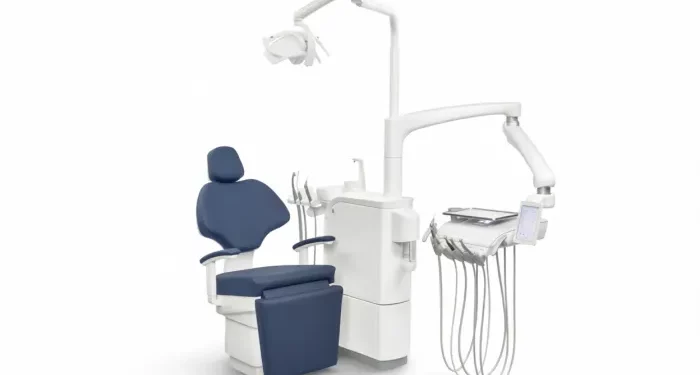
Canadian dental practices are feeling the impact of U.S. tariffs through higher equipment costs and challenges in getting supplies, according to a recent Oral Health survey. The survey found that 21% of dental professionals reported significant increases in costs and difficulties in sourcing dental equipment due to tariffs, while 44% said they were moderately affected.
Dentists’ experiences with these tariffs depend on how long they have been practicing. Those with less than five years in the field seemed less affected, with 44% stating tariffs had a minimal impact on their costs and operations. This may be because many younger dentists do not yet own their practices and, therefore, do not fully experience the rising expenses. The impact is greatest among mid-career dentists. About 72% of dentists with 11 to 20 years in practice and 60% of those with 21 to 30 years reported moderate or significant effects from tariffs.
Dentists with more than 30 years of experience also felt the impact, with 56% facing increased costs or challenges sourcing equipment. However, 14% of this group said they saw no impact from tariffs at all, suggesting mixed effects among senior practitioners.
The geographic location of dentists has proven important in determining the effects of tariffs. Dentists in Ontario faced the most challenges, as 65% reported moderate to significant impact. By contrast, in Quebec and the Atlantic provinces, dentists appeared less affected, with 55% reporting similar levels of impact, and one-third stating they felt no effects from tariffs.
Practice revenue and business structure also influence how tariffs are felt. Dental practices that make between $1 million and $2 million each year reported less impact compared to smaller or much larger offices. Solo and multi-dentist practices are more likely to report significant tariff impacts, while corporately owned practices fare better; two-thirds of these practices said tariffs had minimal or no effect, possibly due to their larger networks and better supplier support.
To cope with these added costs, experts suggest that dental practices focus on managing expenses through strategies such as negotiating with suppliers, buying in bulk, joining group purchasing organizations, and sourcing supplies from more than one provider.
Read More