


Many people experience tooth pain from cavities and often wonder whether they need a root canal or only a filling. It is crucial to understand the difference between these treatments and when each is necessary, as ignoring the signs can lead to severe complications and tooth loss over time.
Understanding Cavities and Tooth Pain
A cavity, also called tooth decay, is a small hole or area of damage on a tooth. Cavities can be caused by poor oral hygiene, frequent consumption of sugary foods and drinks, and the buildup of bacteria. Early cavities are often painless, but as decay deepens and reaches the more sensitive parts of your tooth, pain or discomfort can develop. Sensitivity to hot, cold, or sweet foods may be among the first signs.
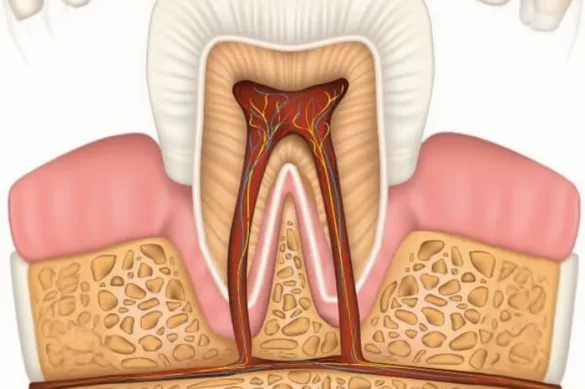
As cavities progress, the outer layer of the tooth (enamel) deteriorates, exposing the softer dentin underneath. This stage leads to more significant sensitivity. If not treated, the decay can reach the pulp—the center portion of the tooth containing nerves and blood vessels—which can trigger constant or severe pain.
Fillings vs. Root Canals: What Is the Difference?
Both dental fillings and root canals are procedures used to treat damaged teeth, but they serve different purposes and treat different levels of damage.
Tooth Fillings
Fillings are used when the cavity has only affected the outer layers of your tooth—the enamel and the dentin—but has not reached the pulp. The dentist removes the decayed part of the tooth and fills the space with a durable material, such as composite resin. This restores the tooth’s structure and stops further decay.
Root Canals
A root canal, also known as endodontic therapy, is required when the cavity has spread into the pulp of the tooth. This area contains sensitive nerves and tissues. When bacteria invade the pulp, it can become inflamed or infected, causing persistent and throbbing pain. During a root canal, the dentist removes the diseased or dead pulp, cleans the inside of the tooth, and seals it. Sometimes, a crown may be placed on top to protect the tooth.
Signs Your Cavity May Require a Filling
Mild to Moderate Pain
When cavities are still in their early stages, pain is usually mild and occurs only when eating, drinking, or biting down. Sensitivity to hot, cold, or sweet foods is common. If you notice these symptoms, you should visit a dentist as soon as possible. Early detection means that a cavity can likely be treated with a simple filling.
Visible Spots or Holes
Small dark spots, visible holes, or brown markings on the tooth surface are signs of a cavity that can be treated with a filling. These spots may become larger or darker over time if left untreated.
Bad Breath and Taste
A cavity can sometimes cause bad breath or a foul taste in your mouth because of the bacteria inside the damaged tooth. These symptoms do not usually require a root canal unless more severe signs develop.
Signs Your Cavity May Require a Root Canal
Persistent or Severe Tooth Pain
If your tooth pain is constant, severe, or throbbing, it’s a warning sign the cavity may have reached the pulp. The pain can also worsen when lying down, chewing, or putting pressure on the tooth.
Sensitivity That Does Not Go Away
Heightened or prolonged sensitivity to hot or cold foods, even after the stimulus has been removed, can indicate deeper problems requiring a root canal.
Swollen Gums
Swelling or tenderness in the gums around the affected tooth is an important symptom. Sometimes, a pus-filled bump may develop, suggesting infection has spread from the pulp to surrounding tissues.
Broken or Cracked Tooth
If your tooth breaks, cracks, or chips—especially spontaneously—it might mean the inner part of the tooth is severely weakened or infected. Such damage exposes the pulp to bacteria, which may require a root canal for repair.
Tooth Discolouration
A tooth showing gray or black discoloration can indicate the pulp is dead or infected. Although discolouration alone does not guarantee you need a root canal, you should seek dental advice urgently whenever you notice this symptom.
Who Makes the Diagnosis?
Only a dentist can determine whether a filling or root canal is needed. Dentists use a combination of visual inspection, X-rays, and your symptoms to make a proper diagnosis. Sometimes, pain alone can be misleading, as dental pain may originate from sources other than cavities, such as gum disease or sinus problems. It is essential not to self-diagnose and instead make an appointment for evaluation if you experience ongoing dental pain.
What If You Delay Treatment?
Ignoring dental pain can lead to more serious complications. Cavities that reach the pulp can allow bacteria to spread, leading to tooth abscess, bone loss, and sometimes systemic infection. You could eventually need a tooth extraction if the damage becomes too severe to repair. Early intervention can reduce the risk and result in simpler, less expensive treatments.
Maintaining Oral Health
Preventing cavities and other dental issues involves regular brushing and flossing, reducing sugar intake, and seeing your dentist for regular check-ups. Most experts suggest a visit every six months, but you should see your dentist sooner if you notice any symptoms of tooth pain, sensitivity, or discoloration.
Conclusion
If your cavity hurts, it does not always mean you need a root canal. Minor pain, sensitivity, or visible spots may only require a filling. However, severe or persistent pain, gum swelling, broken teeth, or dark discoloration may indicate the problem is deeper, and a root canal may be necessary. Only your dentist can accurately diagnose and recommend the right treatment, so seek professional advice whenever tooth pain develops. Early attention can save your tooth and preserve your overall oral health.
Frequently Asked Questions
Can a cavity go away on its own without treatment?
No, cavities do not heal by themselves. They will continue to worsen unless treated by a dentist.
Is a root canal painful?
Modern root canals are virtually pain-free due to advanced anesthesia and technology.
Can I ignore mild tooth pain if it goes away?
Even if pain subsides, the cavity may continue to spread. It is best to get checked by your dentist.
How can I know if my pain means I need a root canal?
Persistent and severe pain, swelling, and a broken tooth are common signs. Only your dentist can confirm the diagnosis.
Will my dentist always choose a root canal for tooth pain?
No. The specific procedure depends on how deep the decay is and whether the pulp is infected. Your dentist will recommend the best treatment for your situation.