


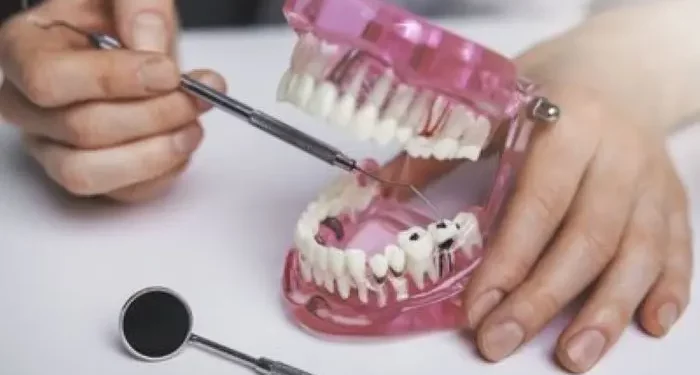
Dental cavities, also known as caries or tooth decay, are a common oral health issue affecting people of all ages. While many individuals may experience one or two cavities throughout their lifetime, having 13 cavities is a significant concern that warrants a deeper examination. This article will explore the implications of having multiple cavities, the underlying causes, potential health risks, and preventive measures to maintain optimal dental health.
Understanding Cavities
What Are Cavities?
Cavities are permanent damage to the hard surface of your teeth that develop into tiny openings or holes. They are caused by a combination of factors, including bacteria in the mouth, frequent snacking, sugary drinks, and inadequate oral hygiene.
How Cavities Form
Bacteria and Plaque: The mouth is home to countless bacteria. When we consume sugars and starches, these bacteria produce acids that can erode tooth enamel.
Demineralization: Over time, the acid can lead to the demineralization of the enamel, making it weak and susceptible to decay.
Cavity Formation: If left untreated, this process can progress to the point where cavities form, leading to pain, infection, and even tooth loss.
Signs and Symptoms of Cavities
Common signs and symptoms of cavities include:
Toothache or spontaneous pain
Sensitivity to hot, cold, or sweet foods
Visible holes or pits in teeth
Staining on the surface of the teeth
The Consequences of Having 13 Cavities
Physical Health Risks
Infection: Untreated cavities can lead to infections in the tooth, potentially requiring root canal treatment or extraction.
Abscess Formation: In severe cases, bacteria can cause an abscess, a painful collection of pus that can spread to other parts of the mouth and body.
Systemic Health Issues: Oral health is closely linked to overall health. Poor dental health can contribute to systemic conditions such as heart disease, diabetes, and respiratory infections.
Psychological and Emotional Impact
Self-Esteem: Visible cavities or tooth decay can affect an individual’s self-esteem and confidence, leading to social withdrawal.
Pain and Discomfort: Chronic dental pain can lead to stress, anxiety, and difficulty concentrating on daily tasks.
Financial Implications
Cost of Treatment: Treating multiple cavities can be financially burdensome, involving fillings, crowns, or more extensive dental procedures.
Time Off Work: Dental appointments and recovery time can lead to lost wages and productivity.
Causes of Multiple Cavities
Poor Oral Hygiene
Inadequate brushing and flossing can lead to plaque buildup, increasing the risk of cavities. It is crucial to maintain a consistent oral hygiene routine to prevent decay.
Diet and Nutrition
High Sugar Intake: Frequent consumption of sugary foods and beverages provides fuel for cavity-causing bacteria.
Acidic Foods and Drinks: Foods and drinks high in acidity can erode enamel, making teeth more vulnerable to decay.
Lack of Fluoride
Fluoride is a mineral that helps strengthen tooth enamel and prevent cavities. A lack of fluoride exposure, whether through drinking water or dental products, can increase the risk of developing cavities.
Genetic Factors
Some individuals may be genetically predisposed to dental issues, including a higher risk of cavities due to factors such as enamel quality and saliva production.
Lifestyle Choices
Tobacco Use: Smoking or using tobacco products can lead to dry mouth, increasing the risk of cavities.
Alcohol Consumption: Excessive alcohol intake can also contribute to dry mouth and poor oral hygiene habits.
Prevention Strategies
Maintaining Good Oral Hygiene
Brushing: Brush your teeth at least twice a day with fluoride toothpaste to remove plaque and prevent cavities.
Flossing: Daily flossing helps remove food particles and plaque from between teeth, areas that a toothbrush may miss.
Dietary Choices
Limit Sugar Intake: Reduce the consumption of sugary snacks and beverages, opting for healthier alternatives like fruits and vegetables.
Stay Hydrated: Drink plenty of water, especially fluoridated water, to help rinse away food particles and bacteria.
Regular Dental Check-Ups
Regular visits to the dentist for check-ups and cleanings are essential for early detection and treatment of cavities. Your dentist can provide professional cleaning, fluoride treatments, and personalized advice on maintaining oral health.
Fluoride Treatments
Discuss the possibility of fluoride treatments with your dentist, especially if you are at a higher risk for cavities. These treatments can help strengthen enamel and reduce the likelihood of decay.
Sealants
Dental sealants are protective coatings applied to the chewing surfaces of back teeth. They can provide an extra layer of protection against cavities, particularly in children and adolescents.
Treatment Options for Cavities
Fillings
For small to moderate cavities, dentists typically recommend fillings to restore the tooth’s structure and function. Fillings can be made from various materials, including composite resin, amalgam, or gold.
Crowns
In cases where the decay is extensive, a crown may be necessary to cover and protect the tooth. Crowns can be made from porcelain, metal, or a combination of materials.
Root Canals
If the cavity has progressed to the pulp of the tooth, a root canal may be required to remove infected tissue and save the tooth.
Extraction
In severe cases where the tooth cannot be saved, extraction may be necessary. After extraction, options for replacement, such as dental implants or bridges, can be discussed.
Conclusion
Having 13 cavities is undoubtedly a serious dental issue that requires immediate attention and intervention. The implications of multiple cavities extend beyond oral health, affecting physical, emotional, and financial well-being. However, with proper understanding, preventive measures, and timely treatment, individuals can manage their dental health effectively and reduce the risk of further decay.
Related topics:
How to prevent gum recession
How Can Cavities Go Away
Does Cavity Treatment Hurt
Tags: bad breathdental implantdental implantsdiseaseteethtoothtooth decay