


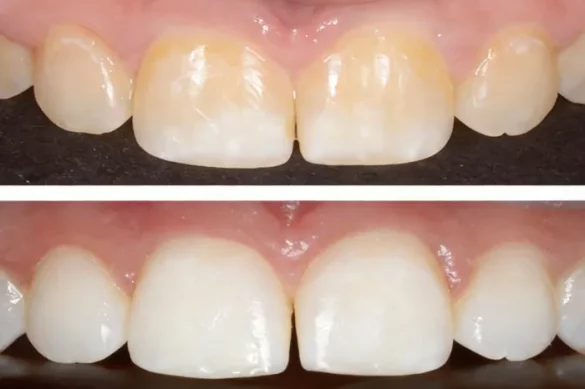
Teeth whitening is a treatment that helps people achieve a brighter and cleaner smile. Many teenagers are interested in having whiter teeth. However, one common question among parents and teens is whether teeth whitening is free for those under 18 years old. Understanding the costs, safety, and guidelines around teeth whitening for minors is important for making informed decisions.
What Is Teeth Whitening?
Teeth Whitening is a dental procedure that removes stains and discoloration from the surface of the teeth. It can be done professionally at a dental clinic or at home using over-the-counter products. Whitening treatments use various agents, such as hydrogen peroxide, to bleach the teeth and make them appear whiter. The popularity of teeth whitening has increased among teenagers who seek a confident, attractive smile.
Why Do Teenagers Want Teeth Whitening?
Teenagers are often concerned about their appearance. Social pressures and media images lead many young people to want the perfect smile. Everyday habits like drinking coffee, tea, or soda, as well as eating certain foods, can stain teeth. Braces and other orthodontic treatments can also make stains more noticeable. For these reasons, teeth whitening has become an attractive option for many teens and their families.
Is Teeth Whitening Safe for Under 18s?
Safety is the top priority for any dental treatment, especially for minors. Dentists confirm that teeth whitening can be safe for teenagers if certain conditions are met. The teenager should have all their permanent (adult) teeth with no gum disease or cavities. Most dentists recommend waiting until at least age 14, when the chance is greater that all adult teeth are present. It is also important that teenagers understand and follow instructions carefully during the whitening process to prevent side effects like tooth sensitivity or gum irritation.
At What Age Can Minors Start Whitening Their Teeth?
There is no fixed legal age for teeth whitening, but professional guidance suggests starting only after all adult teeth have erupted—typically around 14 years old. Dentists will also consider a minor’s dental health and maturity before recommending whitening treatments. Parents and teenagers should always consult with a dentist before starting any whitening process.
What Are the Whitening Options for Teenagers?
There are several teeth whitening options suitable for teenagers:
Whitening Toothpaste
Whitening toothpaste is a mild and safe option for daily use. It can gradually remove minor stains over time and does not contain harsh bleaching agents.
Over-the-Counter Whitening Strips
Whitening strips are available at many stores and use gentle bleaching chemicals. These strips should be used with caution and under adult supervision, as misuse can cause sensitivity or damage to young teeth.
Gel Trays and Custom Solutions
Dentists can provide custom-fitted trays with special whitening gels. These products are often stronger than those sold at stores and are designed for maximum safety and effectiveness. Professional supervision ensures the process is controlled and safe for teenage teeth.
In-Office Professional Whitening
A dentist can offer in-office whitening treatments that produce results in a single session. These treatments are safe, fast, and supervised, making them a good choice for teens with severe staining or time constraints.
Is teeth whitening Free for Under 18s?
Many people hope that dental care for children and teenagers is free, especially as some countries or local health programs offer free basic dental treatment for those under 18. However, it is important to understand the difference between essential dental care and cosmetic dentistry.
Teeth Whitening Is Usually Cosmetic
teeth whitening is widely considered a cosmetic procedure. This means it is not medically necessary, but desired for appearance. Because of this, public health programs and most dental insurance plans do not cover the costs of teeth whitening, regardless of the patient’s age.
Free Dental Care Programs
Some countries and regions offer free dental care for minors. For example, Canada’s CDCP provides free or low-cost essential dental services to eligible families. However, these services typically focus on basic, clinically necessary care such as check-ups, cleanings, fillings, and extractions. cosmetic treatments, including teeth whitening, are not included in these free service lists.
Out-of-Pocket Costs for Teens and Families
For minors interested in teeth whitening, families will need to pay out-of-pocket for these cosmetic procedures. Costs can vary widely depending on the type of whitening chosen. At-home kits and whitening toothpaste cost less, while in-office professional treatments are the most expensive. Parents should budget for these expenses if their child wants whiter teeth for confidence or personal preference.
The Importance of Consulting a Dentist
For parents and teenagers considering teeth whitening, a dental consultation is essential. Dentists can assess whether whitening is safe, recommend the best treatment, and monitor progress. This step is also important because some discoloration could be related to underlying dental problems that need professional attention.
Dentists may also provide prescription-strength whitening options that are safer and more effective for teens. If sensitivity or other side effects occur, dentists can adjust the treatment plan or recommend alternative solutions that keep a teen’s smile healthy and bright.
How to Maintain White Teeth After Whitening
Teeth whitening results can last longer with good care habits. Teens should brush and floss daily, use a whitening toothpaste when appropriate, and avoid foods and drinks that commonly stain teeth. Regular dental check-ups will help keep their smile bright and allow dentists to spot any early signs of dental issues.
Dentists also recommend limiting sugary snacks and acidic beverages, as these can wear down enamel and make staining worse. Drinking water after eating or drinking can help wash away stain-causing particles.
Ethical and Emotional Considerations
Cosmetic treatments can boost confidence, but it is also important for both teens and parents to set realistic expectations around teeth whitening. A natural smile, free of decay and disease, is more important than an artificially bright smile. Open conversations about beauty standards and self-esteem can guide healthy decisions about cosmetic procedures.
FAQs
Is teeth whitening safe for children?
Teeth whitening is generally safe for teenagers who have all their adult teeth in good condition, but it is not recommended for younger children.
Will insurance pay for teeth whitening for teens?
Dental insurance typically does not cover teeth whitening, as it is a cosmetic treatment, not an essential dental service.
Can my teen use whitening products bought at the store?
Over-the-counter products should be used with caution and ideally under the supervision of a dentist or parent to avoid any risks of damage or sensitivity.
How much does teeth whitening for teenagers cost?
Prices vary depending on the method chosen. Whitening toothpaste is inexpensive, while professional in-office treatments can be costly.
What’s the best way for teens to keep their teeth white?
Good brushing and flossing habits, healthy eating, and regular dental visits are the best ways for everyone, including teens, to maintain a bright smile.
Conclusion
In summary, teeth whitening is not free for under 18s because it is considered a cosmetic procedure. While some dental services for children and teenagers are covered under public health or private insurance programs, teeth whitening usually requires out-of-pocket payment. Safe options exist for teenagers who have healthy adult teeth and want to improve their smile, but it is crucial to consult with a dentist before starting any whitening process. Good oral hygiene and regular dental care play the biggest role in maintaining a bright and healthy smile.