


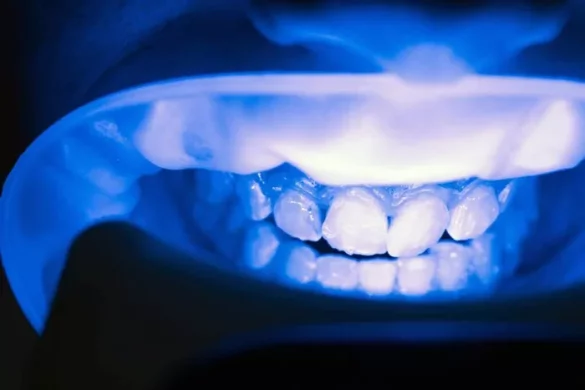
In recent years, cosmetic dentistry has seen a rise in teeth whitening treatments. Among these, cold light tooth whitening has become popular. Many patients ask, “Is tooth become cold light whitening safe and effective?” This article explains the method, benefits, risks, and considerations.
What Is Cold Light Tooth Whitening?
Cold light tooth whitening, also known as LED light whitening or photo-bleaching, is a professional dental procedure. It uses a whitening agent combined with a special light source to remove stains and lighten tooth color. Unlike traditional whitening that relies on heat, the cold light method uses low-intensity light to activate the whitening gel, reducing sensitivity.
The Science Behind Cold Light Whitening
The process involves hydrogen peroxide or carbamide peroxide as the active bleaching agent. When applied to teeth, the cold light activates the peroxide molecules. These molecules break down into oxygen free radicals. The radicals penetrate the enamel and dentin layers and oxidize pigmented molecules, making teeth appear whiter. This mechanism works without raising the tooth temperature, hence the term “cold light.”
Differences Between Cold Light and Traditional Whitening
- Temperature: Traditional methods often use heat or laser, which can increase tooth sensitivity. Cold light uses low heat.
- Speed: Cold light procedures can take 30-60 minutes, similar to in-office treatments.
- Safety: Cold light reduces the risk of enamel damage and gum irritation.
- Effectiveness: Both methods can whiten teeth by 4-8 shades, depending on initial discoloration.
Types of Cold Light Whitening
Cold light whitening can be classified based on the light source and application method.
LED-Based Whitening
LED lights emit a specific wavelength that activates peroxide gels. This method is widely used in dental clinics. It is painless and usually requires 1-3 sessions for noticeable results. LED whitening is also preferred for patients with sensitive teeth because it minimizes heat exposure.
Plasma Arc Whitening
Plasma arc devices produce a more intense light beam. They are less common today due to high costs and the risk of tooth dehydration. However, some clinics still use this method for rapid results. It works by activating the whitening gel faster, but the light itself does not generate heat harmful to teeth.
Combination Systems
Some modern systems combine cold LED light with ultrasonic or vibration technology to enhance peroxide penetration. These systems aim to improve whitening efficiency while maintaining safety for enamel and gums. Patients with gum disease or sensitive teeth should consult a dentist before opting for combination systems.
Who Can Benefit From Cold Light Whitening?
Cold light whitening is suitable for adults with healthy teeth and gums. It is most effective for:
- Extrinsic stains caused by coffee, tea, or smoking
- Yellowing teeth from natural aging
- Mild discoloration after orthodontic treatment
However, it is less effective for intrinsic stains caused by trauma, tetracycline, or enamel hypoplasia. In such cases, a dentist may recommend veneers or bonding instead of whitening.
The Procedure Step by Step
Step 1: Dental Examination
Before whitening, a dentist examines teeth for cavities, enamel erosion, and gum disease. This ensures the treatment is safe and reduces the risk of complications.
Step 2: Teeth Cleaning
Professional cleaning removes plaque and tartar. This allows the whitening gel to work evenly across the enamel surface.
Step 3: Protective Measures
Gum and lip shields protect soft tissues from the whitening agent. Eyes may also be covered to prevent light exposure.
Step 4: Gel Application
The dentist applies a whitening gel containing hydrogen peroxide. The concentration varies between 15% and 40%, depending on tooth sensitivity and desired results.
Step 5: Light Activation
The cold light device is positioned over the teeth for several minutes. The light activates the gel without generating excessive heat, reducing the risk of sensitive teeth.
Step 6: Rinse and Assessment
After treatment, the gel is removed and teeth are rinsed. The dentist evaluates the shade change and may repeat the procedure if necessary. Patients may notice slight tooth sensitivity for a few hours.
Benefits of Cold Light Whitening
1. Quick Results
Most patients see noticeable whitening after a single session. Multiple sessions may provide optimal results.
2. Reduced Sensitivity
Because the process avoids heat, cold light whitening is gentler on enamel and nerves, making it suitable for patients with sensitive teeth.
3. Safe for Enamel
Studies show cold light whitening does not significantly affect enamel hardness or microstructure when applied by professionals.
4. Minimal Gum Irritation
Proper use of protective barriers prevents whitening gel from contacting soft tissues. Patients with mild gum disease can still undergo treatment after dental clearance.
Risks and Considerations
1. Tooth Sensitivity
Although less common than traditional whitening, some patients experience temporary sensitivity. Using desensitizing toothpaste before and after treatment can reduce discomfort.
2. Gum Irritation
Improper application of the gel can cause mild gum irritation. Dental supervision minimizes this risk.
3. Uneven Whitening
Cold light whitening works best on uniform tooth enamel. Teeth with fillings, crowns, or discoloration from trauma may whiten unevenly.
4. Limitations
Cold light whitening does not permanently prevent staining. Patients should maintain oral hygiene and avoid staining foods and drinks for lasting results.
Aftercare for Cold Light Whitening
1. Oral Hygiene
Brushing twice a day and flossing daily help maintain whitening effects. Using a soft-bristled toothbrush reduces irritation of sensitive teeth.
2. Diet Considerations
Avoid staining beverages such as coffee, tea, red wine, and cola for at least 48 hours post-treatment.
3. Maintenance Treatments
At-home touch-ups with dentist-provided whitening trays may prolong results. Follow the recommended schedule to prevent overuse and enamel damage.
Comparison With Other Whitening Options
1. Home Whitening Kits
These are convenient and cost-effective but usually have lower peroxide concentration. Results take longer, and uneven whitening is common.
2. Laser Whitening
Laser whitening can achieve faster results but may increase sensitivity and heat exposure. Cold light whitening provides a gentler alternative.
3. Whitening Toothpaste
Whitening toothpaste can remove surface stains but does not affect deeper discoloration. Cold light whitening is more effective for significant shade improvement.
Who Should Avoid Cold Light Whitening?
Patients should avoid cold light whitening if they have:
- Active gum disease or oral infections
- Severe tooth sensitivity or enamel erosion
- Pregnancy or breastfeeding (due to peroxide exposure)
- Allergic reactions to peroxide compounds
Consulting a dentist is essential to ensure safety and effectiveness.
Conclusion
Cold light tooth whitening is a safe, effective, and gentle option for patients seeking a brighter smile. By using low-intensity light to activate peroxide gel, this method reduces sensitivity and protects enamel. Proper dental supervision, protective measures, and post-treatment care are essential to maximize benefits and minimize risks. Patients with sensitive teeth or mild gum disease can often undergo treatment safely after consultation. While results vary depending on individual teeth, cold light whitening offers a professional, efficient, and minimally invasive solution for cosmetic dental enhancement.