


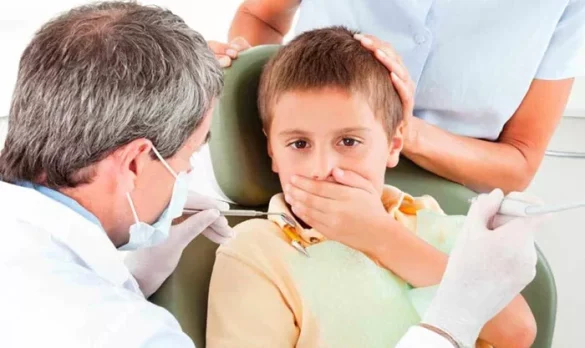
Almost 5,000 children across New Zealand are waiting in pain for rotten teeth to be surgically removed, according to newly released data from Health NZ. The figures show that as of September, 4,866 children and young people were on the dental surgery waiting list — a rise of nearly 900 cases in just two years.
Health professionals say the growing backlog reflects a worsening dental health crisis among children, driven by tooth decay, limited access to preventive care, and ongoing workforce shortages in dental services.
Many of the children on the list suffer from severe pain and infections caused by decayed teeth. For some, the problem is so advanced that they require general anaesthetic to undergo treatment. This is often necessary for very young children who need several baby teeth removed or for those with disabilities or behavioural conditions that make routine dental procedures impossible.
Dr. Rob Whyman, a senior figure in the field, said that dental clinicians regularly have to manage cases of children in pain while they wait for surgery. “Some children are definitely in pain, and we’re finding that many need to visit their GP for pain relief or antibiotics,” he explained. “They often have to come back to the dental service for follow-up care, which adds to delays. Managing pain on the waiting list is becoming a big part of the problem.”
Whyman added that in some cases, waiting lists have to be rearranged to treat the most urgent cases first. However, this only highlights how strained dental services have become. “The size of the waiting list makes it really challenging to provide timely care,” he said.
While the safety of general anaesthetic has become more widely accepted, the main reason for longer waits is the rise in tooth decay and reduced access to preventive dental care. “New Zealand has a community oral health service that’s meant to enrol children from birth or soon after,” Whyman said. “But many of these services are struggling to offer regular dental checks because of staff shortages and long waiting times.”
The situation grew worse after the Covid-19 pandemic, which coincided with a wave of retirements among experienced dental health therapists. Many have since been replaced by oral health therapists, who cover a much broader range of patients — from young children to adults — stretching the workforce even thinner.
“The issues with access began long before Covid, but the pandemic made everything more difficult,” Whyman said.
He also pointed to the role of diet and the food environment in driving childhood tooth decay. “Dental decay isn’t evenly spread across the population,” he noted. “It’s strongly shaped by what’s in our environment — the sugary drinks and foods that manufacturers put out and how they promote them. Children have little control over that; it’s largely up to family habits and the food options available.”
Experts say that unless workforce shortages are addressed and access to early dental care improves, the number of children waiting in pain for extractions will continue to rise — leaving thousands of young families struggling to manage a preventable health problem.