


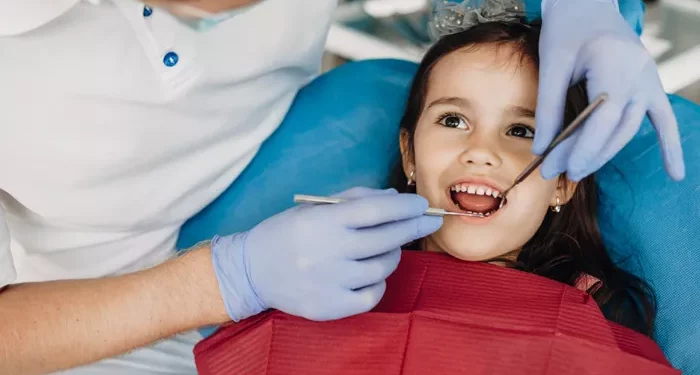
One in three children in New South Wales is beginning the 2026 school year with preventable tooth decay, prompting renewed calls for expanded school-based dental prevention programs.
The Australian Dental Association NSW (ADA NSW) says recent NSW Health data show about 40% of children aged five to six have untreated or previously experienced dental disease by the time they start school. Rates are significantly higher among disadvantaged groups, including Aboriginal children, those from lower socioeconomic backgrounds, and families in regional and remote areas.
ADA NSW President Dr Mark Morrin said early childhood tooth decay has wide-ranging consequences beyond oral health.
“Tooth decay in early childhood isn’t just about cavities. It affects eating, sleeping, concentration and social confidence, right from a child’s first day of school,” Dr Morrin said.
Despite being largely preventable, childhood dental caries remains one of the most common health problems for children across the state. Many families face barriers to early dental care due to cost concerns, long public dental waiting lists and limited access to preventive services, particularly outside metropolitan areas.
“Too many NSW children are starting school already behind because of tooth decay that could have been prevented with simple early care,” Dr Morrin said. “Education, combined with schools and families working together, is key to delivering equitable oral health outcomes, especially for children who need the most support.”
ADA NSW is urging the NSW Government to strengthen preventive oral health measures in schools and early learning settings. Its recommendations include regular dental screenings and check-up reminders, greater promotion of the Child Dental Benefits Schedule for eligible families, oral health education for children and carers, and stronger encouragement of water as the drink of choice while reducing access to sugary drinks in school canteens.
“Prevention works, but only if children can access early care in the places where they spend much of their day,” Dr Morrin said.
The association acknowledged existing initiatives, including the NSW Health Primary Schools Mobile Dental Program, which provides free dental check-ups and preventive care across 11 local health districts. However, ADA NSW says current efforts do not reach all children and should be expanded statewide.
Untreated tooth decay can lead to pain, infection and hospitalisation. National data show dental conditions remain among the leading causes of hospital admissions for young children in Australia, placing significant strain on families and the health system.
“Good oral health starts with building healthy habits and strong foundations before children even walk into the classroom,” Dr Morrin said.