


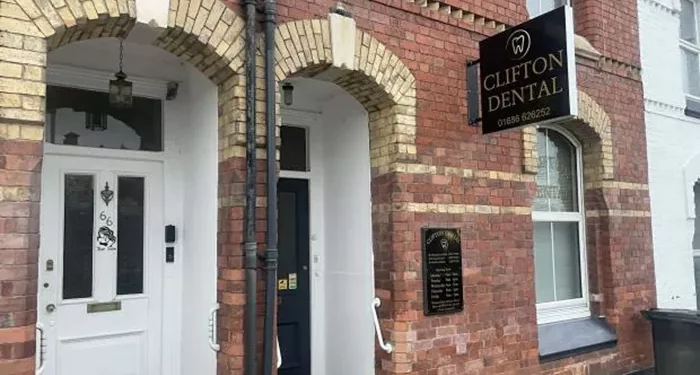
Dentists in Powys have warned NHS dentistry in the county is “perilously close to collapse”, blaming underfunding and rigid performance targets for pushing practices to the brink.
Mohammed Malik, who runs Clifton Dental Practice in Newtown, said the current NHS contract structure in Wales makes it increasingly difficult for community-focused practices to remain financially viable.
Dr Malik, who qualified in 2021, took over the predominantly NHS practice in 2024 with his lifelong friend, Dr Usman Ahmed. He said they were committed to providing NHS care but now believe the system is working against that goal.
“The system isn’t failing because dentists are walking away,” he said. “It’s failing because the structure makes it almost impossible to keep going.”
Under Wales’ NHS dental contract, practices are funded through activity-based targets known as Units of Dental Activity (UDAs). Dentists argue the model prioritises numerical targets over patient outcomes.
Dr Malik said practices are required to meet only 25% of their annual UDA target to secure their contract value. Once that threshold is reached, additional treatment does not generate further payment.
“Work beyond the minimum requirement is often effectively unpaid,” he said. “Success is measured by hitting figures, not by improving long-term oral health.”
He added that rising costs for staff, materials and laboratory services mean some NHS treatments are delivered at a loss. Communication with local health boards can also be inconsistent, he said, adding to operational pressures.
“Many of us chose to run NHS practices because we believe in public dentistry,” Dr Malik said. “But goodwill alone can’t keep a practice open.”
Dentists across Powys are calling for greater transparency in how contracts operate and for meaningful reform of the funding model. Without structural change, Dr Malik warned, NHS dentistry in the county could fail altogether.
“We are not seeking to abandon the NHS,” he said. “We want it to succeed. But good intentions cannot compensate for structural flaws.”
In response, a Welsh Government spokesperson said new contract arrangements, developed through negotiations with the British Dental Association (BDA) and the NHS, will come into force on April 1.
The spokesperson said the reforms aim to move away from the existing “treadmill” model and instead pay dentists for the time they spend treating patients, with a stronger focus on prevention and public health.
“We have consulted widely, listened to feedback and worked with the profession to make improvements,” the spokesperson said. “From April 1, Wales will have a new dental contract with patient and preventative care at its heart.”
The government said it is “proud” to have developed the new system in partnership with the BDA, the NHS and the people of Wales.