


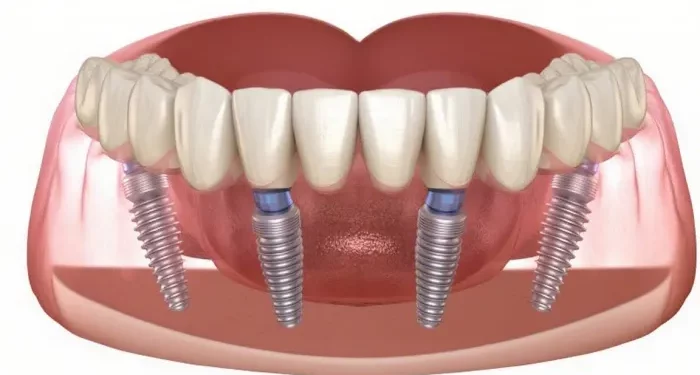
Titanium and its alloys are commonly used in dental implants due to their strength, resistance to corrosion, and ability to integrate with bone. However, researchers have found that these materials can degrade over time because of a process called bio-tribocorrosion, which combines mechanical wear and electrochemical corrosion in the oral environment.
Bio-tribocorrosion occurs when factors like chewing, saliva, oral bacteria, and fluctuating pH levels interact with implant surfaces. Mechanical loading can damage the protective titanium oxide layer, exposing the metal beneath to corrosion. This repeated cycle of abrasion and exposure causes the release of titanium ions and particles, which may trigger inflammation and tissue breakdown around the implant.
Studies show that the oral cavity’s complexity—ranging from mastication-induced micromovements and frequent fluoride exposure to biofilm formation on the implant surface—accelerates material loss. These biological and chemical factors are not passive; bacteria produce acids, alter pH, and modify corrosion rates, making implants particularly vulnerable. Inflammatory reactions and bone loss have been linked to particles released by bio-tribocorrosion, although direct causality in humans is still under investigation.
Researchers also point out that implant materials differ in how they respond to tribocorrosion. Commercially pure titanium and titanium alloys used for dental implants show varying degrees of wear resistance and corrosion behavior. Alloy composition, surface properties, and exposure to fluoride can influence how quickly these materials degrade.
To combat these issues, scientists are developing new alloys, surface modifications, and protective coatings. Clinical practices recommending regular maintenance, minimized occlusal overload, and caution with fluoride products may help limit degradation. Despite progress, the field still lacks standardized testing methods tailored to the real-life oral environment, and the impact of bio-tribocorrosion on implant failure needs more investigation. By understanding this process, researchers hope to improve implant longevity and reduce biological complications.
Tags: dental implants