


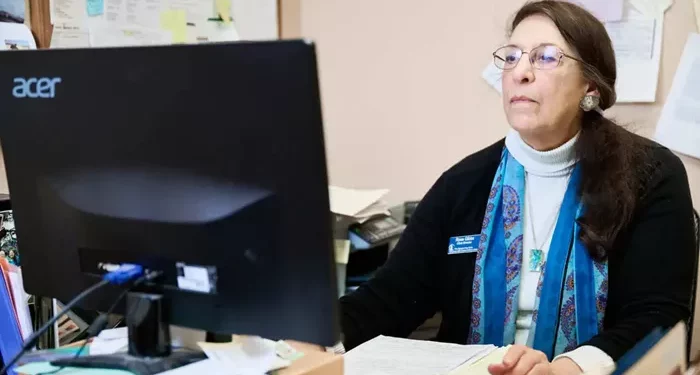
SEQUIM, Wash. — The Dungeness Valley Health and Wellness Clinic, widely known as the Sequim Free Clinic, has spent 25 years offering free medical care, including urgent and chronic disease management, to uninsured and underinsured residents of Jefferson County.
Every Monday and Thursday evening, patients arrive with complaints ranging from lingering coughs and shoulder pain to unmanaged diabetes or high blood pressure. Unlike traditional clinics where appointments may take weeks, Sequim Free Clinic patients are seen promptly, often receiving more time and attention from volunteer medical professionals.
Since opening in 2001, the nonprofit clinic has provided nearly 27,000 patient visits. Services include walk-in urgent care, chronic care management by appointment, assistance with prescription costs, and referrals for dental, vision, lab, imaging, and specialty care—all without insurance requirements or billing.
“This is a safety net, but it’s also a bridge,” said Executive Director Sara Nicholls, who has led the clinic since 2016. “People come to us when they can’t access care elsewhere, sometimes temporarily, sometimes long-term.”
The clinic’s origins trace back to parish nurse Mary Griffith, who noticed retired community members too young for Medicare struggled to afford care. Griffith filed articles of incorporation in 2000, raised funds, and gathered volunteer physicians and nurse practitioners. The clinic opened in October 2001, operating one evening a week from a church parish house. Community support was immediate, and partnerships with local medical centers for lab and imaging services were established.
Early demand revealed that most patients were working adults without insurance. In response, the clinic expanded services, added a second weekly night in 2004, launched community fundraisers, and incorporated specialists and volunteer Spanish interpreters to meet a growing and diverse population.
Recognizing the need for ongoing chronic care, the clinic opened a Chronic Healthcare Clinic in 2008, with nurse practitioner Larry Germain providing longer, appointment-based visits. That same year, the clinic moved into a larger facility leased for $1 per year by Olympic Medical Center, allowing for privacy and expanded services.
Today, walk-in urgent care serves eight to 10 patients per evening, while chronic care appointments can last up to 45 minutes. About 65 volunteers—including retired and active physicians, nurse practitioners, and nurses—staff the clinic, many serving one shift per month. Patients frequently praise the time providers spend listening to their concerns.
The clinic emphasizes practical chronic disease management, particularly diabetes and hypertension, with programs supported by grants from the Washington Department of Health. Medication plans are tailored to affordability.
Approximately 64% of patients are under 50, and over 40% are employed, often in service industries or with high-deductible insurance plans. The clinic also serves individuals bridging gaps in coverage, helping prevent unnecessary emergency department visits.
Community support remains strong. Annual fundraisers, grants, and donations fund the clinic, while local organizations provide a small food pantry and other assistance. Olympic Medical Center continues as a key partner, offering lab, imaging, and specialist access.
As the clinic approaches its silver anniversary, staff emphasize their commitment to accessible, stigma-free care. “We’re here,” Nicholls said. “This is a real medical clinic, staffed by professionals who care deeply about this community.”