


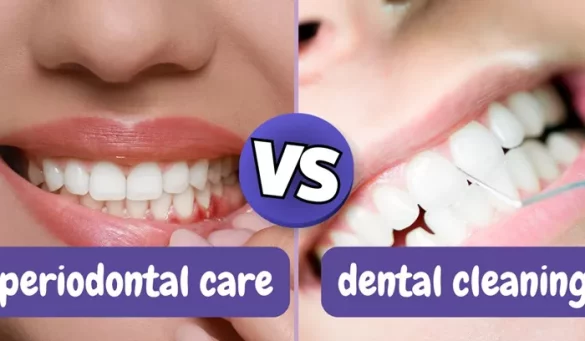
Maintaining oral health requires more than just daily brushing and flossing. Professional dental care plays a critical role in preventing oral diseases. Two common dental procedures that people often confuse are teeth cleaning and periodontal maintenance. Understanding the differences between these procedures is crucial for optimal oral health, especially for patients with gum disease or a history of periodontal issues. This article will explore these procedures in detail, highlight their differences, and explain when each is necessary.
What is Teeth Cleaning?
Definition
Teeth cleaning, also known as prophylaxis, is a preventive dental procedure performed by a dentist or dental hygienist. Its main purpose is to remove plaque, tartar, and stains from the surfaces of the teeth. Teeth cleaning is recommended for individuals with healthy gums and teeth to maintain oral health and prevent gum disease.
The Process of Teeth Cleaning
The procedure typically includes the following steps:
Examination: The dentist examines the mouth to detect any early signs of cavities or gum issues.
Scaling: Using specialized tools, the dentist removes plaque and tartar from the tooth surfaces, including areas near the gumline.
Polishing: The teeth are polished using a gritty paste to remove surface stains and smooth the tooth surface.
Fluoride Treatment: In some cases, a fluoride treatment is applied to strengthen enamel and prevent decay.
Who Needs Teeth Cleaning?
Teeth cleaning is recommended for all individuals as part of routine dental care. Generally, it is suggested every six months for people with healthy gums and teeth. Regular cleanings prevent cavities, remove plaque buildup, and maintain a healthy smile.
Benefits of Teeth Cleaning
- Prevents cavities by removing plaque and tartar.
- Reduces the risk of gum disease by keeping gums healthy.
- Helps maintain a bright, stain-free smile.
- Supports overall oral health and reduces bad breath.
What is Periodontal Maintenance?
Definition
Periodontal maintenance is a specialized dental procedure designed for patients who have been treated for periodontal (gum) disease. Unlike regular teeth cleaning, periodontal maintenance focuses on preventing the recurrence of gum disease and maintaining the health of both teeth and gums after treatment.
The Process of Periodontal Maintenance
Periodontal maintenance is more intensive than regular cleaning. The process usually includes:
Comprehensive Examination: The dentist assesses gum health, measures pocket depths, and checks for inflammation or bleeding.
Deep Cleaning (Scaling and Root Planing): Tartar and plaque are removed from above and below the gumline. The root surfaces are smoothed to prevent bacteria from accumulating.
Polishing and Flossing: Teeth are polished, and special attention is given to cleaning between teeth and below the gumline.
Customized Oral Care Instructions: Patients receive guidance on maintaining gum health at home, including specific brushing and flossing techniques.
Frequent Monitoring: Periodontal maintenance visits are typically scheduled every three to four months, depending on the severity of the previous gum disease.
Who Needs Periodontal Maintenance?
Periodontal maintenance is essential for patients who have undergone treatment for gum disease, such as scaling and root planing, flap surgery, or other periodontal therapies. These patients are at a higher risk of recurrence, making regular maintenance visits critical to preserving gum health.
Benefits of Periodontal Maintenance
Prevents the recurrence of gum disease by controlling bacterial growth below the gumline.
Reduces tooth loss risk by maintaining healthy supporting structures.
Helps detect early signs of disease recurrence for timely intervention.
Improves long-term oral health and overall well-being.
Key Differences Between Teeth Cleaning and Periodontal Maintenance
Purpose
The primary difference between the two procedures is their purpose. Teeth cleaning is preventive, aimed at maintaining healthy gums and teeth. Periodontal maintenance is therapeutic, designed to manage and prevent the progression of gum disease in patients who have already undergone periodontal treatment.
Frequency
Regular teeth cleaning is generally recommended every six months for individuals with healthy gums. Periodontal maintenance, however, is more frequent, usually every three to four months, depending on the patient’s risk of disease recurrence.
Depth of Cleaning
Teeth cleaning focuses on the visible surfaces of teeth and the area just below the gumline. Periodontal maintenance goes deeper, cleaning the pockets around teeth and smoothing root surfaces to remove bacteria and prevent reinfection.
Tools and Techniques
While both procedures use scaling and polishing instruments, periodontal maintenance may require specialized tools for deep cleaning, including ultrasonic scalers and hand instruments designed for below the gumline. The approach is more detailed and customized based on individual gum health.
Patient Eligibility
Anyone can benefit from teeth cleaning, especially those without gum disease. Periodontal maintenance is reserved for patients with a history of periodontal disease. These patients require ongoing professional care to maintain their oral health.
Signs You Might Need Periodontal Maintenance
Recognizing the signs of gum disease recurrence can help determine when periodontal maintenance is necessary. Common indicators include:
- Red, swollen, or bleeding gums.
- Persistent bad breath.
- Receding gums or pockets between teeth and gums.
- Loose or shifting teeth.
- Discomfort when chewing or brushing.
Choosing Between Teeth Cleaning and Periodontal Maintenance
Choosing the appropriate procedure depends on your oral health history. For individuals with healthy gums, regular teeth cleaning is sufficient. For patients who have experienced gum disease, periodontal maintenance is essential to prevent relapse and maintain long-term oral health.
Tips for Maintaining Oral Health Between Visits
Regardless of the procedure, maintaining oral health at home is critical. Key tips include:
Brush at least twice a day using fluoride toothpaste.
Floss daily to remove plaque between teeth and under the gumline.
Rinse with an antimicrobial mouthwash if recommended by your dentist.
Eat a balanced diet and limit sugary snacks and drinks.
Avoid smoking and tobacco products, as they increase the risk of gum disease.
Schedule regular dental visits and follow your dentist’s advice for cleanings and maintenance.
Conclusion
Teeth cleaning and periodontal maintenance are both essential dental procedures but serve different purposes. Teeth cleaning is preventive and suitable for individuals with healthy gums, while periodontal maintenance is therapeutic and necessary for patients who have experienced gum disease. Understanding the differences between these procedures helps patients make informed decisions about their oral health. Regular professional care combined with proper home oral hygiene ensures a healthy smile and prevents serious dental problems in the future.