

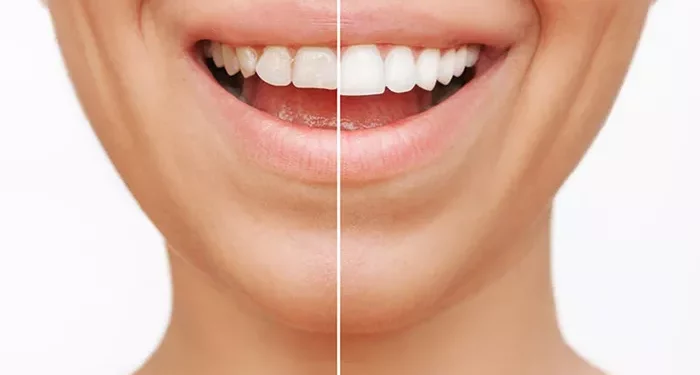
At UT Dentistry, esthetic dentistry goes far beyond creating bright, celebrity-like smiles. According to Ahmed Sabbah, DDS, PhD, director of the school’s Advanced Education in General Dentistry (AEGD) Clinic, modern esthetic dentistry restores confidence, improves oral function, and protects long-term dental health.
“At its core, esthetic dentistry focuses on recreating a patient’s smile so it looks natural and works properly,” Sabbah said. “Esthetics and function go hand in hand. You can’t have one without the other.”
Many people mistakenly believe esthetic dentistry is purely cosmetic. Sabbah noted that patients often seek treatment because worn, damaged, or missing teeth affect daily life. “Patients come to us because they can’t chew comfortably or feel self-conscious about chipped or broken teeth. Rebuilding a smile restores both confidence and function,” he explained.
Another misconception is that esthetic treatments weaken teeth. Sabbah emphasized that today’s dentistry is additive, restoring lost structure while preserving natural enamel. “We actually embrace small imperfections,” he said. “Teeth shouldn’t look like identical piano keys — variations make a smile appear real.”
Common treatments include veneers, thin porcelain layers that enhance shape, color, or alignment while conserving natural tooth structure. For more extensive damage, crowns can replace lost tooth material and restore strength. Dental implants, planned with digital guidance, offer precise, natural-looking replacements for missing teeth.
For patients seeking conservative or cost-effective options, esthetic composite fillings can repair chipped teeth, while orthodontics may reposition teeth before restorative procedures. “There’s no one-size-fits-all solution,” Sabbah said. “We tailor treatments to each patient’s goals, comfort, and budget.”
UT Dentistry employs advanced digital tools, including intraoral scanners, facial imaging, and 3D printing, to create a “digital clone” of a patient’s smile. “Patients can see the expected outcome on a screen before treatment begins,” Sabbah said. Digital planning improves precision, reduces unnecessary tooth preparation, and can shorten treatment timelines. “In some cases, an implant and temporary tooth can be placed the same day,” he added.
Esthetic dentistry at UT Dentistry is offered through its resident and faculty clinics. Residents — licensed dentists receiving advanced training — treat patients under close supervision from faculty across multiple specialties. Sabbah highlighted the clinic’s interdisciplinary approach, where general dentistry, periodontics, and prosthodontics collaborate to ensure high-quality outcomes.
Although appointment times may be longer in an academic setting, fees are often lower than in private practice, making advanced care more accessible. “We treat patients of all ages and backgrounds,” Sabbah said. “Motivation and follow-up are key to life-changing results.”
Sabbah stressed the importance of realistic goals. “Some patients want a ‘Hollywood smile,’ but it may not suit their face or bite. Digital planning allows us to show what’s achievable before treatment begins,” he said.
Ultimately, Sabbah concluded, esthetic dentistry balances appearance, function, and individuality. “A great smile should look and feel like it belongs to you,” he said.