


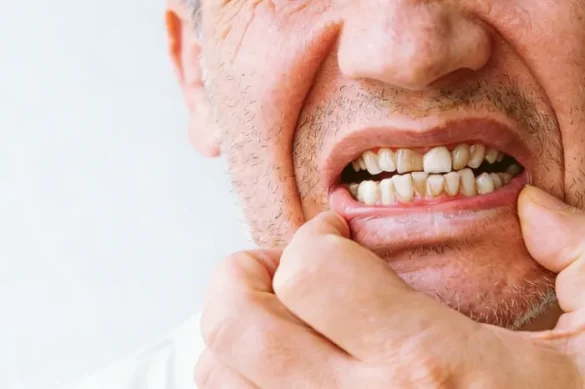
periodontal disease, also called gum disease, is a condition that affects the gums and the bone that supports the teeth. Many people believe it only affects older adults, but this is not true. In reality, periodontal disease can begin at a young age and becomes more common as people get older. Understanding when and why people get periodontal disease is important for prevention and treatment.
What Is periodontal disease?
periodontal disease is an inflammatory disease that begins in the gums and, if left untreated, can reach the bone that supports your teeth. Two common types of periodontal disease are gingivitis and periodontitis. Gingivitis is the mildest form, causing gum redness and swelling. If it is not treated, it can progress to periodontitis. Periodontitis is more serious and can lead to tooth loss if not properly managed.
At What Age Can People Get periodontal disease?
There is a common belief that gum disease only affects older people, but recent research proves this is not the case. periodontal disease can start at any age, even in the teenage years. If basic oral hygiene is neglected during adolescence or early adulthood, bacteria can build up around the gum line. This can trigger gingivitis, the earliest stage of periodontal disease.
The number of people affected by periodontal disease increases with age. The Centers for Disease Control and Prevention (CDC) reports that about 47.2% of adults aged 30 years and older in the United States have some form of periodontal disease.
The risk becomes much higher as people age. In fact, 70.1% of adults 65 years and older suffer from periodontal disease. This shows that while periodontal disease can begin early, it becomes more severe and much more common later in life.
Early Onset: Children, Teenagers, and Young Adults
Even children and teenagers are not entirely safe from gum disease. Poor dental hygiene, unhealthy diets, smoking, and certain medical conditions can put young people at risk. The earliest signs typically show up as gingivitis—red, swollen, and sometimes bleeding gums. If young people do not brush and floss regularly, this inflammation can start quietly and worsen over time.
A strong oral hygiene routine is critical from a young age. Brushing twice a day, flossing daily, and keeping regular dental appointments helps keep gums healthy. Even teenagers and young adults should be aware that neglecting these habits can lead rapidly to gum health problems. Gingivitis is the first stage, and it is reversible with attention and care.
periodontal disease in Adults
As adults age, the chance of developing periodontal disease increases. Many people develop signs of gum disease in their 20s and 30s, especially if they smoke, have poor oral hygiene habits, have diabetes, or a family history of gum disease. Chronic stress and poor nutrition can also play a role.
by the age of 30, nearly half of adults show signs of periodontal disease. Sadly, many do not realize it because early symptoms may be painless or mild. gum disease often progresses quietly. Gums may become more sensitive, bleed during brushing and flossing, or begin to recede. If untreated, the condition advances.
In people aged 65 and above, over 70% are affected by some form of periodontal disease. At this stage, the risk of bone loss, gum recession, loosening teeth, and tooth loss is significantly higher. Treatment at later stages is more complex and often requires surgery or dental implants due to severe tissue and bone damage.
Key Risk Factors for Developing periodontal disease
Several risk factors increase the likelihood of developing periodontal disease at any age:
- Poor oral hygiene: Not brushing or flossing regularly allows bacteria to build up and attack the gums.
- Smoking: This is a major risk factor that weakens gum tissue and hinders healing.
- Diabetes: Uncontrolled blood sugar impairs immune response, making gum infection more likely.
- Genetics: Family history of gum disease makes it more probable that you will develop it too.
- Poor nutrition: Lack of important nutrients weakens the gums and immune system.
- Stress: High stress levels can affect the body’s ability to fight infection, including gum infection.
Even healthy individuals can develop periodontal disease if they are genetically susceptible or if oral hygiene is neglected.
Stages of periodontal disease by Age
Adolescents and Young Adults (Teens to 30s)
- Gingivitis is most common and often caused by poor brushing and flossing habits.
- Early cases are reversible with good dental care.
- Symptoms: Red or swollen gums, bleeding when brushing or flossing, mild sensitivity.
Adults (30s to 60s)
- Risk rises with age, lifestyle factors, and chronic conditions.
- Early periodontitis becomes more likely, where the infection starts to damage the support structures of the teeth.
- Symptoms: Increased gum recession, spaces forming between teeth, persistent bad breath, and loose teeth.
Seniors (65 and older)
- The prevalence of periodontitis is highest.
- Advanced tissue and bone loss can lead to tooth loss and require major dental treatments.
How to Prevent periodontal disease at Any Age
Prevention is critically important since periodontal disease is easier to stop early than to treat in later stages. The key steps include:
- Brush twice a day with fluoride toothpaste
- Floss daily to remove plaque between teeth
- Use antibacterial mouthwash
- See your dentist and hygienist every six months for professional cleanings and check-ups
- Eat a balanced diet and limit sugar
- Avoid smoking
- Manage conditions like diabetes with your doctor’s help
If you notice early symptoms like red, swollen, or bleeding gums, do not ignore them. Immediate improvement in your oral hygiene and a dental appointment can stop further progress.
Why Is Age-Related Increase in periodontal disease Important?
periodontal disease does not only affect teeth and gums. It can impact your overall health. Studies show links between gum disease and systemic diseases such as heart disease, diabetes, and respiratory illness. These risks rise as people age and as periodontal disease advances. Taking action early can therefore improve both your dental and overall health well into old age.
Conclusion
People can get periodontal disease at any age. However, the risk and severity increase with age, especially after 30, and particularly in adults over 65. Children, adolescents, and young adults primarily face gingivitis, while older adults are more susceptible to advanced periodontitis. Preventative care and strong oral hygiene routines can make a huge difference. Early detection and intervention can keep gums healthy for a lifetime.
FAQs
Can children get periodontal disease?
Children rarely get periodontitis, but they can develop gingivitis, especially if they do not brush and floss regularly.
Why do older adults have more periodontal disease?
The risk increases with age due to accumulated dental plaque, chronic health conditions, and age-related immune system changes.
Is gum disease reversible?
The early stage, gingivitis, is reversible with good oral hygiene. Advanced periodontitis usually requires professional treatment.
What are the most common first signs?
Look for red, swollen, or bleeding gums, persistent bad breath, or gum recession.
How often should I visit the dentist to prevent gum disease?
Visiting your dentist every six months for a professional cleaning and exam is strongly recommended.