


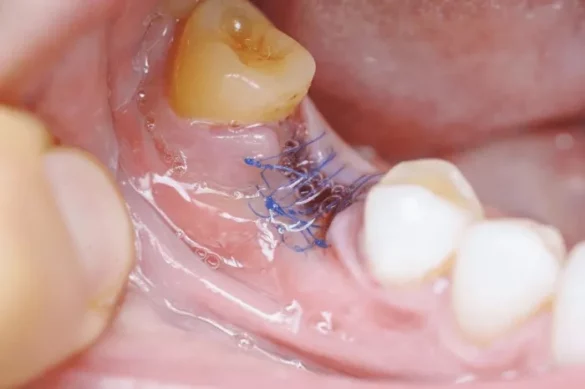
After wisdom teeth removal, it’s common to wonder what medications you should expect to be prescribed. Understanding what your oral surgeon or dentist may recommend is important for managing pain, reducing swelling, preventing infection, and ensuring a smooth recovery.
Understanding the Basics of Wisdom Teeth Removal Recovery
Wisdom teeth removal is a minor surgical procedure, but it can cause some pain, swelling, and discomfort. These symptoms are normal, and medications are prescribed to relieve them and minimize post-surgical complications. Each patient’s recovery is slightly different, so medication regimens can vary. However, several types of medication are commonly prescribed.
Pain Management: The First Priority
Pain is expected after any tooth extraction, especially with wisdom teeth. The pain tends to peak in the first 48 to 72 hours and then subsides. To control this pain, your dentist will usually recommend starting pain relievers as soon as possible, often before the numbness from the local anesthesia wears off.
Non-Steroidal Anti-Inflammatory Drugs (NSAIDs)
The most common over-the-counter medication for pain control after wisdom teeth removal is ibuprofen. Ibuprofen is a non-steroidal anti-inflammatory drug (NSAID) that helps reduce both pain and inflammation. The typical dosage is 400–600 mg every six hours, with a daily limit of 3200 mg for adults. This medication can be very effective by itself or in combination with other drugs.
If you cannot take NSAIDs due to an allergy, stomach issues, or asthma, your dentist might recommend acetaminophen instead.
Acetaminophen (Paracetamol)
Acetaminophen is another common pain reliever. While it does not reduce swelling, it manages pain and can also help with fever. You may be advised to take acetaminophen alone or alternate doses with ibuprofen for optimal pain control. Dosing is generally 500–1000 mg every 4–6 hours, with a maximum daily limit of 4000 mg.
Opioid Pain Medications
For patients who experience severe pain not controlled with NSAIDs or acetaminophen alone, a short prescription for an opioid medication (such as hydrocodone/acetaminophen) may be given. Opioids are only used for a short period, typically 1–2 days, due to potential side effects and the risk of dependence.
Opioid painkillers are normally reserved for cases where pain is intense and cannot be managed otherwise. They can cause drowsiness and constipation, and patients should not drive or operate heavy machinery while taking them.
Antibiotics: Preventing Infection
In some cases, your oral surgeon may prescribe antibiotics after wisdom teeth removal. The goal is to prevent or treat infections that could develop in the extraction site. Not every wisdom tooth extraction requires antibiotics, but prescriptions may be given if:
- The surgery is complex or took longer than expected
- You have a weakened immune system or specific health concerns
- There were signs of pre-existing infection or risk factors, such as bone involvement
Common antibiotics include amoxicillin, clindamycin, or metronidazole. It is important to take the full course as prescribed, even if you feel fine before finishing the medication.
Anti-Inflammatory Medications
NSAIDs like ibuprofen serve both as pain relievers and anti-inflammatory agents. However, sometimes a steroid medication (like a short course of oral prednisone) may be prescribed, especially if your swelling or inflammation is expected to be severe.
These medications help limit the body’s response to tissue injury, making recovery more comfortable for you. Always follow your provider’s instructions about how and when to take these medications.
Mouth Rinses: Saltwater and Antiseptic Solutions
Although not a prescription medication, your dentist may advise you to rinse with a warm saltwater solution to help keep the extraction site clean. This helps prevent infection and promotes healing. Usually, you can start gentle rinsing 24 hours after surgery with a solution of half a teaspoon of salt in a glass of warm water.
For patients at higher risk for infection, an antiseptic rinse like chlorhexidine may be prescribed. It is important to use mouth rinses gently and never to swish vigorously immediately after surgery, as this could disturb the blood clot and delay healing.
Managing Bleeding and Swelling
Medicines alone are not enough for complete care. Your dentist’s instructions may recommend:
- Using firm biting pressure on gauze pads to stop bleeding
- Applying ice packs to control swelling
- Keeping your head elevated to reduce fluid accumulation
These methods complement your medication regimen and help address the main symptoms after wisdom teeth removal.
Side Effects and Precautions
Any medication can cause side effects. Let your dentist know if you find any medication intolerable, or if it causes unusual symptoms such as rash, stomach pain, or persistent nausea. Always inform your dentist about all other medicines and supplements you are taking to avoid drug interactions.
Pain medications, especially opioids, should only be taken as directed. Do not drive, operate heavy machinery, or make important decisions while under their influence.
What If You Have Medical Conditions or Allergies?
If you have chronic diseases (like liver or kidney problems, cardiovascular disease, or a history of substance misuse), your provider will choose medications that are safest for your condition. Always be open about your health history when discussing post-surgical prescriptions.
When Are No Prescriptions Needed?
Some patients recover well with only over-the-counter pain medications and do not need any prescriptions, especially after uncomplicated wisdom teeth removal. Your dentist will advise you based on your unique needs.
Monitoring Your Recovery
Take medications exactly as prescribed. If your pain, swelling, or bleeding gets worse several days after surgery, contact your dentist. Prolonged or heavy bleeding, high fever, or worsening swelling could be signs of infection or other complications that need prompt attention.
Conclusion
The medications prescribed after wisdom teeth removal are tailored to your specific needs. Most people receive pain relievers like ibuprofen or acetaminophen, and sometimes antibiotics or even stronger painkillers if required. Following medication instructions closely, along with good oral hygiene and self-care, will help you heal quickly and with fewer complications. If you have any questions or experience unusual symptoms, always seek guidance from your oral healthcare provider.
FAQs
What is the most common medication prescribed after wisdom teeth removal?
Ibuprofen is the most common medication because it controls both pain and swelling. Acetaminophen may also be recommended.
Do I need antibiotics after wisdom teeth removal?
Not everyone needs antibiotics, but you may be prescribed them if you have an increased risk of infection, complex surgery, or health concerns.
Can I take pain medications together?
Your dentist may advise alternating ibuprofen and acetaminophen for better pain control. Always follow their instructions.
How long should I take medications after wisdom teeth removal?
Pain medications are usually taken for 3 to 5 days, while antibiotics, if prescribed, should be completed as directed, often for 5 to 7 days.
What should I do if my pain or swelling gets worse?
Contact your dentist immediately, as this could signal infection or other complications that need medical attention.