


Swollen gums and sore throat are common symptoms that can significantly affect daily life. They make eating, talking, and swallowing more difficult, and often signal underlying health issues that require attention. Understanding what causes these symptoms is crucial for early treatment and prevention. This article explores the common causes, risk factors, potential complications, and best practices for care and prevention, providing clear explanations for anyone seeking guidance.
What Are the Symptoms of Swollen Gums and Sore Throat?
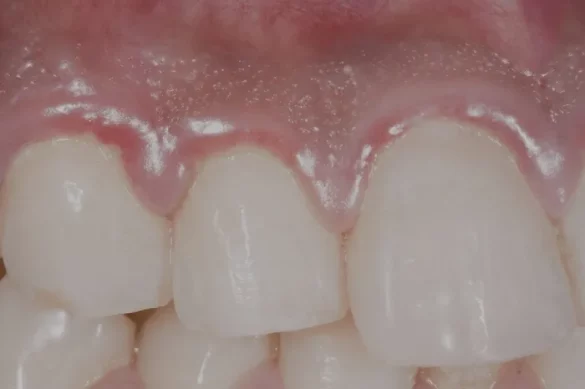
Swollen gums appear as red, puffy, and tender tissue in the mouth. There may be bleeding when brushing or flossing, and eating can become uncomfortable. Bad breath and a foul taste might also occur. Sore throat, on the other hand, is pain felt in the throat. It can make swallowing difficult and is often accompanied by other symptoms like coughing, fever, or swollen lymph nodes. Both symptoms may occur together, making them especially bothersome.
Common Causes of Swollen Gums
Poor Oral Hygiene
The most frequent cause of swollen gums is poor oral hygiene. When brushing and flossing are neglected, bacteria build up along the gumline. This leads to inflammation, infection, and eventually gum disease. Food debris stuck in the mouth can aggravate the problem, producing further swelling and discomfort.
Gum Infections: Gingivitis and Periodontitis
Gingivitis is the earliest stage of gum disease and is marked by mild swelling, redness, tenderness, and bleeding. If left untreated, gingivitis can progress to periodontitis. In periodontitis, the infection penetrates deeper into the gum and bone, causing increased pain, severe swelling, and sometimes loss of teeth. These infections may develop slowly but are the result of long-standing plaque and tartar that harbor harmful bacteria.
Trench Mouth (Acute Necrotizing Ulcerative Gingivitis)
Trench mouth is a severe form of gum infection, characterized by swollen, ulcerated gums and painful sores. It mostly affects young adults under stress or with neglected oral care. The infection is rapid in onset and causes severe gum pain, bad breath, and crater-like ulcers between the teeth. Trench mouth requires prompt medical attention as it can destroy gum tissue and even affect the jawbone in severe cases.
Viral and Bacterial Infections
Gingivostomatitis is another infection that targets the gums and mouth lining. Caused by viruses like herpes simplex type 1 (HSV-1) or bacteria such as Streptococcus, gingivostomatitis triggers blisters and painful sores. It is most common in children but can occur in adults as well. This condition is highly contagious and can return in flare-ups, especially during times of stress, fever, or trauma to the mouth.
Common Causes of Sore Throat
Viral and Bacterial Infections
Most sore throats are due to infections. Viruses, including those that cause the common cold or flu, often lead to throat inflammation. Strep throat is caused by group A Streptococcus bacteria and results in severe pain, fever, and swollen lymph nodes. These infections can spread from person to person, emphasizing the importance of good hygiene and avoiding close contact with infected individuals.
Tonsillitis
Tonsillitis is inflammation of the tonsils, often triggered by bacterial or viral infections. It produces symptoms such as sore throat, difficulty swallowing, bad breath, and sometimes fever. Tonsillitis may be acute (lasting a few weeks) or chronic (lasting several months or recurring frequently). Treatment ranges from antibiotics and pain relief to surgery in persistent cases.
Laryngitis
Laryngitis is swelling of the voice box (larynx) and vocal cords, usually due to infection or overuse. It results in hoarse voice, sore throat, and discomfort when speaking. While most cases resolve on their own, persistent symptoms require medical evaluation.
How Are Swollen Gums and Sore Throat Related?
Gum and throat problems often appear together because the mouth and throat are closely connected. Infections can easily spread from the gums to the throat or vice versa. For example, bacteria causing gum disease may move down the throat and cause irritation or infection there. Likewise, a throat infection can make the gum tissue more sensitive, leading to swelling and pain.
Viruses that cause mouth ulcers or cold sores, such as HSV-1, can affect both the mouth and throat at the same time. Streptococcus bacteria, well-known for causing strep throat, can also infect gum tissue. In some cases, poor oral hygiene allows bacteria to multiply, eventually moving beyond the gums into the throat.
Risk Factors for Swollen Gums and Sore Throat
Several factors increase the risk of developing these symptoms:
- Poor oral hygiene, such as infrequent brushing or flossing
- Stress, which weakens the immune system and makes infections more likely
- Poor nutrition, especially diets lacking in vitamins C and B
- Smoking, which irritates tissues and promotes infection
- Weakened immune system due to illness or medication
- Trauma from dental work or oral injuries
- Sharing utensils or close contact with infected individuals
Knowing and controlling these risk factors helps reduce the chance of swollen gums and sore throat.
Diagnosis and Medical Evaluation
Doctors and dentists use a variety of approaches to diagnose gum and throat problems. A physical examination of the mouth and throat is the first step. Swabs may be taken from ulcers or sore areas to identify the exact cause, whether it is bacterial or viral. Dental x-rays can assess the extent of gum disease and tissue damage. Blood tests may be required for severe or persistent symptoms. Accurate diagnosis helps ensure effective treatment and lowers the risk of complications.
Treatment Options
Home Remedies
Mild cases can often be managed at home. Warm saltwater rinses can soothe inflamed gums and relieve throat pain. Drinking plenty of fluids helps keep the mouth and throat hydrated. Over-the-counter pain relievers such as acetaminophen or ibuprofen may reduce discomfort. Avoiding hot, spicy, and acidic foods can prevent further irritation.
Professional Care
For more serious or persistent symptoms, medical treatment is necessary. Your doctor or dentist may prescribe antibiotics for bacterial infections or antivirals for viral infections. Professional dental cleaning removes plaque and tartar, giving the gums a chance to heal. Chlorhexidine or hydrogen peroxide mouthwashes may be recommended to reduce inflammation and fight infection. In cases of trench mouth or severe gum disease, thorough cleaning by a dental hygienist is needed, sometimes with numbing agents to make the procedure comfortable. Surgery may be required for chronic tonsillitis or advanced gum disease.
Prevention Tips
Prevention starts with daily habits:
- Brush teeth twice daily and floss once a day
- Visit your dentist regularly for check-ups and cleanings
- Maintain a healthy diet rich in vitamins and minerals
- Manage stress through exercise and relaxation techniques
- Avoid smoking and exposure to irritants
- Take care when using oral appliances like dentures or retainers
Practicing good oral care and staying aware of changes in your throat and gums can help you avoid complications.
Potential Complications
Ignoring symptoms can lead to serious problems:
- Tooth loss from advanced gum disease
- Infection spreading to cheek, jawbone, or other tissues
- Abscesses (pockets of infection in the gum or throat)
- Chronic pain or difficulty swallowing
- Dehydration and weight loss due to poor eating
Early treatment greatly reduces the risk of complications and supports long-term oral health.
Conclusion
Swollen gums and sore throat are uncomfortable but often preventable. The most common causes are infections, poor oral hygiene, and risk factors like stress or smoking. Understanding the connection between gum and throat symptoms helps guide effective treatment and prevention. Good oral hygiene, prompt medical care, and healthy lifestyle choices are the best ways to maintain a healthy mouth and throat. If symptoms persist or worsen, contact your healthcare provider for professional evaluation and care.
FAQs
What is the fastest way to relieve swollen gums?
Warm saltwater rinses, gentle brushing, and over-the-counter pain relievers can provide quick relief. For severe cases, see a dentist.
Can viral infections cause both sore throat and swollen gums?
Yes, viruses such as HSV-1 and Coxsackievirus can affect both areas at the same time, causing mouth sores and swelling.
Are swollen gums and sore throat always a sign of infection?
Not always. Sometimes, irritation from smoking, trauma, or allergies can cause these symptoms. However, infection is a common cause.
When should I see a doctor or dentist?
If symptoms last longer than two weeks, are very painful, or are accompanied by fever, see a healthcare provider.
How can I prevent gum and throat problems?
Practice good oral hygiene, eat a nutritious diet, manage stress, avoid tobacco, and visit the dentist regularly.