


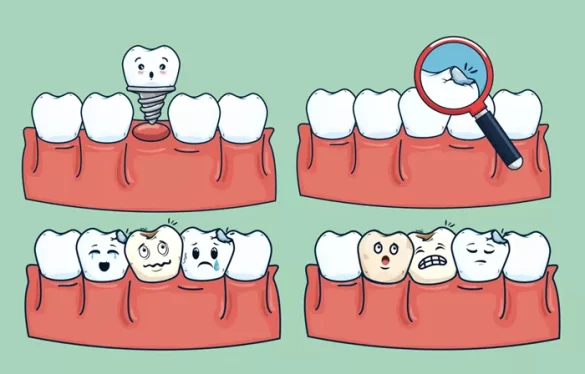
Tooth crowns are a common dental restoration used to protect damaged teeth. They cover a tooth completely and restore its shape and function. However, even with a crown, the tooth underneath can still develop decay. Understanding the causes of decay under a crown is essential for maintaining oral health and extending the lifespan of your dental restoration.
How Tooth Decay Develops
Tooth decay is caused by the interaction of bacteria, food particles, and acids in the mouth. Bacteria break down sugars from food and produce acids. These acids erode the tooth enamel and dentin, eventually leading to cavities. When decay occurs under a crown, it is often hidden and harder to detect, which makes prevention and early diagnosis critical.
Plaque and Bacteria Accumulation
Plaque is a sticky film of bacteria that forms on the teeth. If plaque is not removed through regular brushing and flossing, bacteria multiply and produce acids that attack the tooth structure. Even with a crown, plaque can accumulate at the margins where the crown meets the natural tooth. This area, called the crown margin, is especially vulnerable to decay.
Poor Oral Hygiene
One of the main causes of decay under a crown is inadequate oral hygiene. If patients fail to brush properly, especially around the gum line and crown edges, food particles and bacteria remain. Over time, this leads to demineralization and decay beneath the crown. Regular brushing, flossing, and using antibacterial mouthwash are essential to prevent decay.
Problems with Crown Fit
The fit of a crown plays a significant role in preventing decay. If a crown does not fit tightly against the tooth, small gaps or spaces may exist. These gaps can trap food and bacteria, creating an ideal environment for decay. Dentists strive to ensure crowns fit perfectly, but wear and tear over time can lead to minor gaps that increase the risk of decay.
Overhanging or Poorly Contoured Crowns
When a crown is overhanging or has a poor contour, it becomes difficult to clean around. Overhanging crowns create small pockets where bacteria can accumulate, leading to decay at the margins. Proper crown placement and regular dental checkups help prevent these issues.
Receding Gums
Gum recession exposes more of the natural tooth under the crown. This exposed area is more vulnerable to plaque accumulation and bacterial invasion. Even with a well-fitted crown, receding gums can increase the risk of decay underneath.
Diet and Lifestyle Factors
Diet plays a crucial role in the development of tooth decay. Frequent consumption of sugary or acidic foods and drinks provides fuel for bacteria to produce acids. These acids attack both natural teeth and the margins of crowns. Additionally, habits like smoking or dry mouth can reduce saliva flow, which normally helps neutralize acids and wash away bacteria.
Frequent Sugar Intake
Bacteria thrive on sugar. The more often sugar is consumed, the more acids are produced in the mouth. These acids can seep into the tiny spaces between the crown and the natural tooth, accelerating decay underneath.
Dry Mouth and Reduced Saliva
Saliva is important for protecting teeth. It washes away food particles and neutralizes acids. People with dry mouth, caused by medications or medical conditions, have a higher risk of decay under crowns. Using saliva-stimulating products and staying hydrated can help reduce this risk.
Previous Tooth Damage
Teeth that require crowns often have existing damage, such as large fillings or root canal treatment. These teeth are inherently weaker and more prone to decay. If any decay remains before crown placement, it can continue to progress under the crown. Thorough cleaning and proper treatment before crown placement are essential to prevent future problems.
Residual Decay
If decay is not completely removed before placing a crown, it may continue to spread underneath. This can lead to more serious complications, such as tooth fracture or infection. Dentists carefully examine and clean the tooth to prevent residual decay.
Cracks and Microleakage
Cracks in the natural tooth or crown can allow bacteria to enter. Microleakage occurs when tiny gaps form between the crown and tooth over time. These gaps are perfect for bacterial growth, leading to decay under the crown. Regular dental visits help identify and address these issues early.
Signs of Decay Under a Crown
Decay under a crown may not cause pain initially. Some common signs include:
Tooth Sensitivity: Increased sensitivity to hot, cold, or sweet foods.
Discoloration: Dark lines or spots near the crown margins.
Bad Taste or Odor: Persistent bad taste or smell due to bacterial growth.
Loose Crown: If decay weakens the tooth structure, the crown may feel loose.
Preventing Decay Under a Crown
Preventing decay under a crown requires a combination of good oral hygiene, proper dental care, and lifestyle habits.
Effective Brushing and Flossing
Brush at least twice a day using fluoride toothpaste. Focus on the crown margins and gum line. Floss daily to remove plaque and food particles between teeth and around the crown.
Regular Dental Checkups
Visit your dentist every six months. Professional exams and cleanings can detect early signs of decay under a crown. X-rays may be used to examine areas not visible to the naked eye.
Dietary Control
Limit sugary and acidic foods. Eat a balanced diet rich in calcium and vitamins to strengthen teeth. Drink plenty of water to help wash away bacteria and maintain saliva flow.
Prompt Treatment of Dental Issues
Address any signs of decay, gum disease, or crown damage immediately. Early treatment prevents more serious problems and prolongs the life of the crown.
Conclusion
Tooth decay under a crown is a preventable dental issue. It occurs due to bacteria accumulation, poor oral hygiene, crown fit problems, dietary habits, and pre-existing tooth damage. Awareness of these causes and proper preventive care, including brushing, flossing, regular dental visits, and dietary management, is key to maintaining a healthy tooth beneath a crown. By following these guidelines, patients can enjoy long-lasting dental restorations and reduce the risk of hidden decay.