


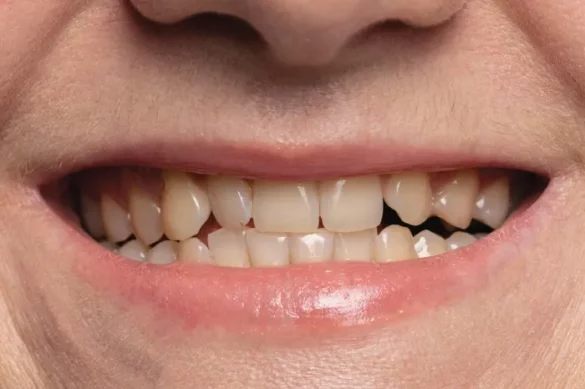
Many adults notice their teeth become yellow over time, leading to concerns about appearance and oral health. The color of teeth can be influenced by various factors, beginning with genetics and extending to everyday choices like food, drinks, medications, and hygiene routines. Recognizing what causes yellow teeth in adults can help everyone take better care of their smiles and make suitable decisions to prevent further discoloration.
Genetics and Natural Tooth Color
Some people naturally have darker or more yellow-toned teeth due to genetics. The natural shade of teeth varies person to person, and this trait can be passed down from parents. Just as some individuals inherit the shape or position of their teeth, they might also inherit a slightly yellow color. This natural color is not typically a health issue but may be a cosmetic concern for some.
Age and Enamel Erosion
Aging is one of the leading causes of yellow teeth in adults. Teeth are protected by enamel, a hard, white-tinged outer layer. As people age, enamel gradually wears away due to years of chewing, brushing, and exposure to acidic foods. The layer beneath enamel is called dentin which is naturally yellow in color. When enamel thins, more of the yellow dentin shows, making teeth appear discolored. This process is slow and happens over many years, but becomes more noticeable as adults get older.
Food and Drink Stains
The things we eat and drink every day can leave stains on our teeth. Foods and drinks rich in dark pigments such as coffee, tea, red wine, cola, dark juices, tomato sauces, soy sauce, balsamic vinegar, and dark chocolate are among the most common sources. The acids and colors in these items attach to the enamel and leave visible staining. Unlike enamel erosion, these stains can build up more quickly, especially with regular consumption.
In addition, sipping these drinks for a long time or holding them in your mouth makes the exposure to staining agents worse. Using a straw can help reduce contact with teeth, and rinsing your mouth with water after eating or drinking helps remove residue and reduce staining risk.
Smoking and Tobacco Use
Although tobacco use is a well-known risk factor for yellow teeth, adults who smoke or use tobacco tend to experience even more discoloration. Chemicals in tobacco quickly stain dental enamel and are difficult to remove with regular brushing. Even quitting smoking can leave behind persistent stains that may require professional cleaning or whitening.
Poor Dental Hygiene
Regular brushing and flossing removes plaque, food particles, and bacteria that can contribute to yellowing. Skipping daily brushing leads to the buildup of plaque which can make teeth look dull and yellow. Good oral hygiene, including brushing twice daily and flossing, helps keep teeth bright and healthy. Professional dental cleanings every six months are also crucial, as dentists can remove deeper stains and plaque that ordinary brushing cannot reach.
Medication-Induced Discoloration
Certain medications can cause teeth to turn yellow. For example, antibiotics like tetracycline are known to affect tooth color when taken during the early years, especially before age eight. These medications interfere with the calcium deposition in developing teeth, leading to permanent discoloration. In most adults, new medication use rarely affects tooth color unless taken in high doses over a long period, but children who received antibiotics may carry the effects into adulthood.
Fluoride and Environmental Factors
High exposure to fluoride, either through drinking water or oral care products, can cause a condition called dental fluorosis. This can result in yellow or brownish stains on teeth. Industrial pollutants and excessive minerals in water supplies are rare but can also affect dental color over time.
Dental Trauma and Tooth Damage
A blow or injury to a tooth can damage its structure. Trauma may disturb the enamel or the inside pulp, leading to discoloration. This is more common in children, but adults can be affected, especially if the damage goes untreated. Discolored teeth due to trauma may need professional dental treatment for proper assessment and care.
Preventing Yellow Teeth in Adults
Prevention often works better than treatment for yellow teeth. The following steps can help reduce risk:
- Limit consumption of highly pigmented foods and drinks. Use a straw for beverages that stain.
- Rinse your mouth or brush teeth after eating or drinking staining substances.
- Maintain strict dental hygiene by brushing twice daily and flossing each night.
- Visit your dentist every six months for a professional clean.
- Choose whitening toothpaste for mild improvement. Active ingredients like baking soda and hydrogen peroxide help remove stains but should be used gently as abrasives can wear down enamel.
Treatment Options for Yellow Teeth
If prevention isn’t enough and discoloration persists, adults can explore different whitening options:
Whitening Toothpastes
These are widely available and work by removing surface stains. Results are gradual. Avoid aggressive brushing with abrasive toothpaste, which may wear down enamel and worsen yellowing.
Professional Teeth Whitening
Dentists offer in-office whitening treatments that use stronger agents compared to over-the-counter products. These methods can lighten teeth several shades and are overseen by professionals to ensure safety. Whitening procedures are not suitable for everyone, such as individuals with braces.
Dental Veneers
In special cases where tooth color or shape cannot be improved by whitening, veneers can be used. Veneers are thin coverings placed over the front of teeth, made from ceramic or plastic. While effective in giving the appearance of perfectly white teeth, this is an invasive procedure reserved for adults and older teenagers.
Conclusion
Yellow teeth in adults may result from genetics, aging, food and drink choices, poor oral hygiene, medications, or other environmental factors. While some causes such as genetics and age are unavoidable, others can be managed with good habits and lifestyle changes. Prevention through dental hygiene, moderation of staining foods and drinks, and timely professional care remains the best approach. Treatment options exist for those seeking whiter teeth, but not every yellow shade can be completely reversed. Ultimately, understanding the causes can help adults maintain optimal oral health and a brighter smile.
FAQs
What foods and drinks stain teeth the most?
Coffee, tea, red wine, cola, soy sauce, and tomato sauces are top contributors to dental stains.
Can yellow teeth be reversed?
Most surface stains can be lessened. Deep or genetic discoloration may not be entirely reversible, but professional whitening and veneers can help improve appearance.
How often should adults see a dentist for cleaning?
It is recommended to have professional dental cleaning every six months for optimal oral health and stain removal.
Does brushing harder help remove yellow color?
No. Brushing too hard can wear away the enamel and actually make yellow dentin more visible, so use gentle brushing and appropriate toothpaste.
Are whitening toothpastes safe?
Most are safe for regular use, but avoid excessive brushing with abrasive products. For stronger results, consult your dentist about professional treatments.