


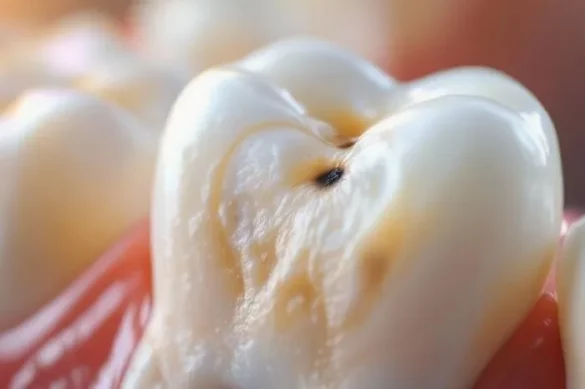
Many people worry about cavities and tooth decay but are not always sure how to spot the problem early. Pre cavities are the earliest stage of tooth decay, and understanding what they look like can help you take action before a small issue turns into a bigger dental problem. By learning to spot pre cavities, you can reverse early damage and protect your smile.
What Are Pre Cavities?
Pre cavities are the beginning phase of tooth decay, often called the “white spot” stage or a white spot lesion. This stage is not a true cavity yet, but instead, it signals that the enamel is losing minerals and becoming weaker. If nothing is done, this weak spot can lead to a full-blown cavity—a hole in the tooth that often requires professional treatment.
A pre cavity means some damage is happening, but it is still early enough to be stopped and even reversed with the right care. Dentists watch out for these early signs during check-ups in order to prevent more serious problems later on.
What Do Pre Cavities Look Like?
The Earliest Sign: Chalky White Spots
The classic look of a pre cavity is a chalky or matte white spot on the surface of the tooth. These spots can be hard to see without special training. They may look duller than the smooth, shiny surface of healthy enamel. Sometimes, the area looks a little thicker or rougher than the rest of the tooth.
These spots often appear where plaque builds up most—such as along the gum line, on the chewing surfaces of back teeth, or between tight teeth that are hard to clean. The spots are usually painless, so you might not even notice them unless your dentist points them out.
Why Are Pre Cavities White?
Healthy tooth enamel is made mostly of minerals, which give teeth their hard surface and glossy shine. When bacteria in dental plaque feed on sugar, they produce acids that slowly pull these minerals out of the enamel. The result is a small area where the enamel becomes less dense. Light scattered by these thinned areas gives off a milky or chalky white appearance—different from regular white.
Are Pre Cavities Visible to the Naked Eye?
While some pre cavities can be seen when you look closely in the mirror under good light, many are nearly impossible for non-dentists to spot. Dentists use special tools, lighting, and sometimes dyes to pick out subtle white spot lesions. Areas between teeth or on the inside surface can stay hidden until a check-up.
If the white spot is large or close to the gumline, you might spot it during gentle brushing. If you notice a patch that looks and feels different from the rest of your teeth, it is a good idea to have a dental professional check it out.
Differences Between Pre Cavities and Regular Stains
Pre cavities are not the same as stains or discoloration from foods and drinks. Stains from coffee, tea, berries, or tobacco often look yellow, brown, or sometimes black and affect many teeth at once. Pre cavities, on the other hand, look like a single, chalky spot on one tooth or a few teeth and are often most noticeable near the gums or where plaque collects.
If in doubt, always ask your dentist to check. While some white spots may be due to natural tooth development or fluorosis (overexposure to fluoride during childhood), a dentist can help make this distinction.
Why Early Detection Is Important
The pre cavity stage is unique because it is one of the only times tooth decay can be reversed. If you catch it very early, actions like improving oral hygiene, quitting sugary snacks, and using fluoride can help refill the lost minerals. However, once the decay breaks through the enamel and forms a cavity, only fillings or other dental work can fix the tooth.
Risk Areas for Pre Cavities
Certain spots in the mouth are often the first to develop pre cavities. These include:
- The biting surfaces of back teeth (molars and premolars), especially deep grooves.
- Along the gum line where cleaning is often missed.
- Between the teeth, where flossing is skipped or difficult.
- Around braces or orthodontic appliances, where food and plaque can get trapped.
Being aware of these high-risk areas can help you focus your cleaning for better prevention.
How Dentists Identify Pre Cavities
During a check-up, dentists carefully examine the teeth using a mirror and bright light. They may look for areas that appear dull, white, or rough compared to the rest of your enamel. In some cases, they use a special dye or light to help highlight any white spots or signs of demineralization.
Dental X-rays are sometimes used, but pre cavities are usually too subtle to show up on standard X-ray images unless located between teeth. Clinical examination remains the best method for finding early changes.
What Causes Pre Cavities?
The main cause is prolonged exposure to acids created by bacteria when they break down sugars or starches in your mouth. Risk factors for pre cavities include:
- Poor brushing or flossing habits
- Frequent snacking, especially on sugary food and drinks
- Having braces, retainers, or dental appliances that trap plaque
- Dry mouth or lack of saliva, which helps protect teeth
- History of cavities or family members with dental decay
What Can You Do If You Spot a Pre Cavity?
If you or your dentist notice a white spot that could be a pre cavity, the right steps can often stop and even reverse the damage:
- Brush at least twice a day with fluoride toothpaste.
- Floss daily to remove plaque between teeth.
- Cut down on sugary snacks and beverages.
- Drink plenty of water to keep saliva flowing.
- Consider professional fluoride treatments if recommended by your dentist.
- Keep regular dental check-ups for early detection and tailored guidance.
Early action is essential. Fluoride can help rebuild minerals and make the tooth strong again. Good hygiene can stop the decay from progressing.
When to Call a Dentist
You should schedule a dental visit if you notice:
- White spots that do not go away after cleaning
- Areas that feel rough or look different from the rest of your teeth
- Increasing tooth sensitivity or discomfort
Routine dental check-ups (at least twice a year) are the best way to ensure any pre cavities are caught and managed before they become serious.
Conclusion
Pre cavities are the earliest warning sign that your teeth are at risk for decay. They often look like faint or chalky white spots and are painless. Only at this stage is it possible to reverse the damage through good oral care and professional guidance. Recognizing pre cavities and knowing how to respond makes a big difference in keeping your teeth healthy and bright for a lifetime.
Frequently Asked Questions
Can pre cavities go away on their own?
Pre cavities can often be reversed with proper oral hygiene and fluoride use. If ignored, they may turn into real cavities.
Are pre cavities painful?
No, pre cavities are not painful. True cavities only cause discomfort when decay reaches deeper layers of the tooth.
How soon should pre cavities be treated?
The earlier, the better. Acting quickly prevents more serious damage and often stops the need for fillings later.
Do pre cavities always show up as white spots?
Most do, but some may be very hard to see or hidden in between teeth. Regular dental visits help catch them early.
Is it possible to prevent pre cavities?
Yes. Careful brushing, flossing, healthy eating, and seeing your dentist regularly are the best ways to prevent both pre cavities and real cavities.