


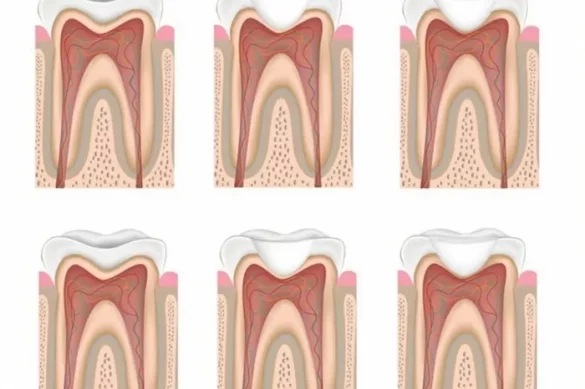
Cavity filling is a widely practiced dental procedure designed to repair teeth that have been affected by decay or minor damage. If your dentist has diagnosed you with a cavity, a filling is usually the recommended solution to restore the tooth’s structure and function. Understanding what happens during cavity filling can help calm nerves, reduce uncertainty, and ensure patients know what to expect.
What Is a Cavity Filling?
A cavity filling is a restorative dental treatment. Dentists use fillings to repair cavities (holes caused by tooth decay), or to fix small chips and cracks in teeth. The main purpose of a filling is to preserve the natural tooth, restore its normal use, and prevent further decay or damage.
Preparation for the Procedure
Before the actual cavity filling begins, your dentist will review your dental x-rays and discuss the treatment plan with you. You may be asked about your symptoms, allergies, and any anxiety regarding dental treatments. Options for sedation or numbing can be discussed, especially for patients who are nervous.
The most common form of anesthesia used is a local anesthetic. It effectively numbs the area around the tooth, ensuring the procedure is comfortable and virtually pain-free. You will remain awake, but you will not feel pain in the treated area.
Removing Decay and Cleaning the Tooth
Once the area is numb, the dentist uses special instruments, such as drills or lasers, to remove all decayed or damaged tissue from the tooth. This process is essential to prevent any remaining bacteria from causing future problems. The dentist works carefully to remove only unhealthy tissue, preserving as much of the natural tooth structure as possible.
After the decay is removed, the dentist thoroughly cleans the cavity to remove debris and bacteria. This ensures the filling material will bond correctly and prevents any risk of infection.
Placing the Filling Material
The next step is filling the cleaned cavity. The choice of filling material depends on several factors, such as the location of the tooth, patient preference, and the extent of decay. Common types of dental filling materials include:
- Amalgam: Silver-colored, highly durable, and suitable for back teeth. Contains a mixture of metals, including mercury.
- Composite Resin: Tooth-colored, blends well with natural teeth. Suitable for front teeth and visible areas.
- Glass Ionomer: Tooth-colored, releases fluoride to help prevent further decay. Often used for small fillings.
- Gold and Porcelain (Indirect Fillings): Made outside the mouth in a dental laboratory or via special equipment. Used when damage is too extensive for a direct filling.
The dentist places the chosen material into the cavity. For resin composite fillings, the dentist may use a special curing light to harden the material. Once hardened, the filling will have the same firmness as your natural tooth.
Shaping and Polishing the Filling
After placing the filling, the dentist shapes it to match the contours of the affected tooth. Rough edges are smoothed, and the dentist checks how your upper and lower teeth meet (your “bite”). Adjustments are made to ensure the bite feels normal and comfortable.
Finally, the filling is polished, making sure it does not feel rough or sharp. This step not only makes the restored tooth comfortable but also creates a surface that is less likely to attract dental plaque.
After the Procedure: Recovery and Care
Most patients can return to regular activities immediately after the filling is completed, unless sedation was used. It’s common to experience minor sensitivity or soreness in the treated area for a few days. Over-the-counter pain relief medications such as acetaminophen or ibuprofen can help manage discomfort.
You can eat and drink normally after a filling, though waiting until the numbness from anesthesia wears off can prevent accidentally biting your cheek or tongue. If you eat right away, chew slowly and carefully to avoid injury.
Your dentist may recommend avoiding very hot or cold foods for the first day, especially if you received a composite resin filling, as sensitivity may be present.
Benefits of Cavity Fillings
Cavity fillings offer multiple benefits:
- They restore the tooth’s function for chewing and speaking.
- Fillings prevent further decay by sealing off spaces where bacteria can enter.
- They maintain your smile’s appearance, especially with tooth-colored materials.
- Fillings often last many years with proper care.
Potential Risks and Complications
Most cavity fillings result in successful outcomes; however, some complications may arise:
- Temporary tooth sensitivity is normal and typically resolves within a week or two.
- If the filling interferes with your bite, you may feel pain when biting down. Your dentist can adjust the filling so your bite feels correct.
- Rarely, throbbing pain or persistent sensitivity to heat or cold may indicate the decay reached the tooth nerve. In this case, root canal therapy could be required.
- If you experience severe pain, swelling, fever, or a broken filling, contact your dentist immediately.
Are Amalgam Fillings Safe?
Dental amalgam (silver fillings) has been used for decades and is generally considered safe by organizations such as the American Dental Association and the U.S. Food and Drug Administration. However, some groups—such as pregnant women, small children, and people with certain health conditions—are advised to avoid amalgam fillings due to the mercury content.
How Long Will My Filling Last?
Most dental fillings last between 10 and 20 years, depending on the material used, your oral hygiene habits, and the location of the filling. Regular dental visits can help ensure that fillings remain in good condition.
Conclusion
Cavity filling is an essential part of dental care for preserving teeth affected by decay. The procedure is generally simple, safe, and effective. By numbing the tooth, removing decay, placing the filling material, and shaping the restoration, dentists can restore the health, function, and appearance of your tooth. Understanding each step of the cavity filling process can help you feel confident and prepared when you need this common dental treatment.
If you ever experience prolonged pain, a broken filling, or signs of infection after cavity filling, contact your dentist right away. Regular dental check-ups and good oral hygiene can help prevent cavities and make sure your fillings last for years.
FAQs
Does getting a cavity filling hurt?
No. The dentist uses local anesthesia to numb the area, so you should not feel pain during the procedure.
Can I eat after a cavity filling?
Yes. You can eat and drink afterward, but it’s wise to wait until numbness wears off to avoid biting your cheek.
What if my filling feels uncomfortable?
If your filling feels rough or your bite feels off, contact your dentist for an adjustment.
Is it too late for a filling if my cavity is large?
If tooth decay reaches the pulp or nerve, a filling may not be enough. Your dentist might recommend root canal treatment instead.
How can I care for my filling?
Brush and floss regularly, avoid biting on hard objects, and attend routine dental check-ups to maintain your fillings.