


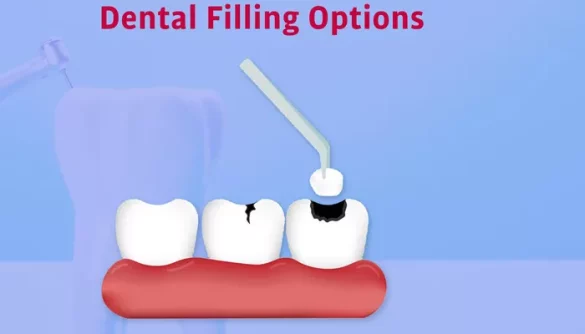
Dental fillings are used to restore teeth damaged by cavities. They help prevent further decay and protect the tooth structure. Fillings can be made of composite resin, amalgam, gold, or ceramic. Over time, these fillings may wear down, crack, or fall out. Understanding their purpose helps explain why timely replacement is important.
Signs a Filling Needs Replacement
Visible Damage
Cracks, chips, or worn surfaces in a filling are clear signs it may need replacement. Damaged fillings no longer protect the tooth effectively.
Tooth Sensitivity
If your tooth becomes sensitive to hot, cold, or sweet foods, it may indicate the filling is failing. This occurs because the protective seal is compromised.
Pain or Discomfort
Pain when chewing or biting can signal decay beneath the filling. If untreated, this can lead to infection or abscess formation.
Discoloration
Darkening around the edges of a filling may indicate leakage or decay. Early detection can prevent more serious dental problems.
Consequences of Not Replacing a Filling
Progression of Tooth Decay
A broken or worn filling exposes the underlying tooth to bacteria. Without replacement, cavities can grow deeper, eventually reaching the tooth pulp. This may result in severe pain and infection.
Infection and Abscess Formation
If decay reaches the pulp, bacteria can cause an infection. An abscess may form, characterized by swelling, pus, and severe pain. Abscesses can spread infection to other parts of the body if untreated.
Tooth Fracture
Fillings provide structural support to weakened teeth. Without replacement, the tooth may fracture under pressure. Cracked teeth can be difficult to repair and may require more extensive treatments such as crowns or extractions.
Gum Disease
A failing filling can trap food and bacteria, leading to plaque buildup around the tooth. This may contribute to gum inflammation, gingivitis, or periodontitis.
Need for More Extensive Dental Work
Delaying filling replacement often leads to more complex procedures. Instead of a simple filling, you may require a root canal, crown, or even extraction. Early replacement prevents costly and invasive treatments.
Materials and Longevity of Fillings
Amalgam Fillings
Amalgam is durable and lasts 10–15 years. Over time, it can corrode or expand, causing cracks in the tooth. Regular checks are essential.
Composite Resin Fillings
Composite fillings are aesthetically pleasing and bond to the tooth. They typically last 5–10 years and may wear down faster than amalgam. Replacing worn composites helps maintain tooth health.
Gold and Ceramic Fillings
Gold and ceramic fillings are strong and long-lasting. However, even these materials can loosen or crack over decades. Monitoring their condition is crucial for dental health.
Preventing Problems From Failing Fillings
Regular Dental Checkups
Routine exams help identify worn or damaged fillings early. Dentists can replace fillings before serious damage occurs.
Good Oral Hygiene
Brushing twice daily and flossing helps prevent decay around fillings. Using fluoride toothpaste strengthens enamel and prolongs the life of fillings.
Prompt Treatment
Replacing a damaged filling as soon as it is identified reduces the risk of further decay, infection, or tooth loss. Early intervention is simpler and less costly than delayed treatment.
Conclusion
Not replacing a dental filling can lead to a cascade of dental problems, including decay, infection, fractures, gum disease, and more complex dental procedures. Timely replacement ensures the tooth remains healthy and functional. Regular dental checkups, proper oral hygiene, and early intervention are key to avoiding these complications.