


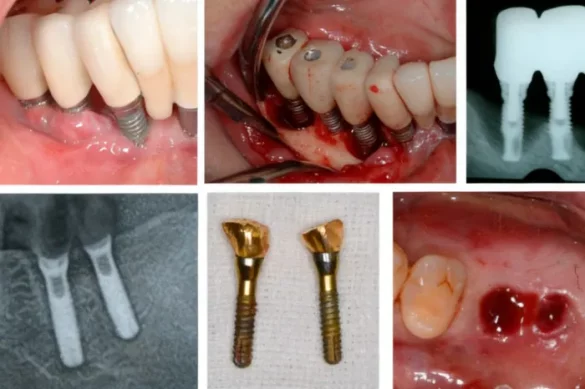
Dental implants have revolutionized the way dentists replace missing teeth, providing a long-lasting, natural-looking solution for millions of people. While the success rate for dental implants is between 95% and 98%, complications can still occur.
Understanding what happens when a dental implant fails is important for anyone considering or currently living with implants. Early recognition and prompt action help preserve oral health and increase the chances of successful replacement.
What Is dental implant failure?
A dental implant is made up of three main components: a titanium implant body embedded into the jawbone, an abutment that connects the implant to the crown, and the crown itself that mimics the natural tooth. For an implant to be successful, it must go through a process called osseointegration. This is where the bone cells grow and anchor the implant securely to the jaw. dental implant failure occurs when this integration doesn’t happen properly, or when problems develop with any part of the implant over time.
Signs of a Failing Implant
Recognizing implant failure early can make a significant difference in treatment outcomes. Some signs are easy to spot, while others may require professional evaluation. Key signs include:
- mobility: The implant feels loose or wobbly, which is usually the most obvious sign. In early stages, movement might be slight and only noticed by your dentist during an exam. As it progresses, the implant may move when you chew or talk and will be consistently mobile if osseointegration has failed.
- pain or discomfort: Persistent pain or soreness around the implant site, especially while biting or chewing, can indicate a problem. While mild discomfort is expected after surgery, ongoing pain shouldn’t be ignored.
- swelling or infection: Redness, swelling, or pus around the implant site can suggest infection or peri-implant disease. These symptoms may appear suddenly or gradually.
- gum or bone deterioration: Your dentist may notice bone loss during routine x-rays or checkups. Healthy bone is needed to support the implant; if bone around the implant shrinks, stability is compromised.
Common Causes of dental implant failure
dental implant failure can be divided into two categories: early (short-term) and late (long-term).
Early Implant Failure
This happens soon after the implant procedure, typically within a few months. Most early failures are related to the body’s inability to join the implant with new bone—poor osseointegration. Contributing factors include:
- Uncontrolled diabetes, affecting wound healing
- Smoking, which can slow bone growth
- Low bone density or volume
- infection at the implant site
- Implant size or placement issues
- Certain medications (such as some antidepressants)
Late Implant Failure
Dental implants that initially heal and integrate properly can fail months or years later. Reasons for long-term failure include:
- peri-implant disease: An inflammatory condition around the implant, often caused by bacteria and plaque buildup. Symptoms include bleeding, swelling, and discomfort, which can progress to bone loss if untreated.
- mechanical stress: Excessive pressure from chewing, grinding (bruxism), or poorly positioned crowns can damage implant components.
- gum or bone disease: Progressive periodontal disease may weaken bone and gum tissue around the implant.
- Medical conditions: Osteoporosis, autoimmune disease, or ongoing cancer therapy can affect bone and tissue health.
What Happens During Treatment?
If your dentist suspects implant failure, they will conduct a clinical exam, possibly take x-rays or 3-D scans, and determine the extent of the damage. Treatment depends on the cause and the overall health of your gums and bone.
Removing a Failed Implant
Most failed implants need removal. Your dentist will numb the area with local anesthesia and may use a specialized tool to remove the implant with minimal damage to the surrounding bone. The jawbone contains few pain-sensing nerves, so the process is comfortable for most patients.
Treating the Site After Removal
After a failed implant is taken out, the dentist assesses the health of the remaining bone and soft tissues. If the bone is healthy and there is no infection, a new implant might be placed right away, but this is not always possible. Often, a bone graft is recommended to rebuild lost bone before a new implant is installed. Healing from a bone graft can take several months, and your dentist will monitor your progress.
managing risk factors
To prevent future failure, your dentist may suggest:
- Quitting smoking until healing is complete
- Managing medical conditions such as diabetes
- Improving oral hygiene habits
It is vital to keep your dental team informed about any changes in your health or medications.
Preventing Dental Implant Complications
Many implant failures can be avoided with careful planning and good oral hygiene. Prevention tips include:
- Visit your dentist regularly for checkups and professional cleanings
- Brush twice daily and use an antibacterial mouthwash to reduce bacteria
- Follow all post-surgery care instructions
- Avoid smoking or excessive alcohol use
- Report any changes in pain or movement to your dentist promptly
Conclusion
Dental implants are a highly reliable solution for tooth replacement but are not immune to complications. Understanding the signs of implant failure, the underlying causes, and the treatment options empowers patients to take control of their oral health. Timely action, good hygiene, and working with a skilled dental team are critical for long-term implant success. If you suspect your dental implant is failing, consult your dentist immediately to address the issue and restore your smile.
Frequently Asked Questions (FAQs)
What are the warning signs of dental implant failure?
The most common signs are implant mobility, pain, swelling, gum infection, and visible bone loss. Contact your dentist if you notice any of these.
Can a failed dental implant be repaired?
It depends on the cause and severity. Some problems with implant parts can be fixed, but many cases require implant removal and further evaluation before replacement.
Will I need a bone graft after implant removal?
If there has been bone loss around the failed implant, a bone graft is often needed to rebuild the site before another implant can be placed.
How soon can I get another implant after failure?
Placement of a new implant depends on healing and bone health. Your dentist will recommend waiting until all infection is gone and bone is strong enough, which may take a few months.
What can I do to prevent implant failure?
Practice good oral hygiene, visit your dentist regularly, manage health conditions like diabetes, and avoid smoking or grinding your teeth.