


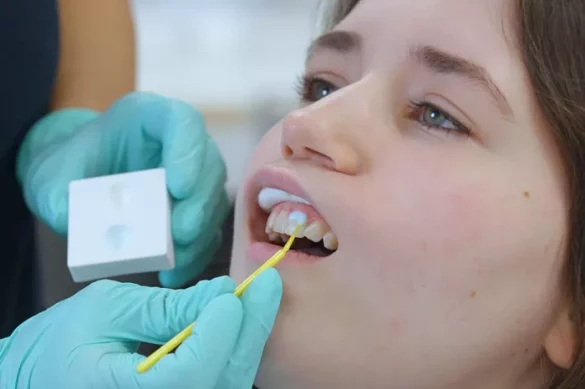
Desensitizing gel is a dental product designed to reduce tooth sensitivity. Tooth sensitivity can cause sharp pain when consuming hot, cold, sweet, or acidic foods. The gel works by protecting the dentin, the layer beneath the enamel, from stimuli that trigger pain. Understanding how desensitizing gel works can help people manage sensitivity more effectively.
What Causes Tooth Sensitivity
Tooth sensitivity occurs when the dentin becomes exposed. Dentin contains microscopic tubules connected to nerves. When exposed, these tubules allow stimuli to reach the nerves, causing discomfort or pain. Common causes of sensitivity include:
- Gum recession due to aging or periodontal disease
- Enamel erosion from acidic foods and drinks
- Brushing too hard or using a hard-bristled toothbrush
- Teeth grinding or bruxism
- Dental procedures such as whitening or fillings
How Desensitizing Gel Works
Desensitizing gels are formulated with active ingredients that block the transmission of pain signals from the tooth surface to the nerve. Some common mechanisms include:
Blocking Dentin Tubules
Ingredients like potassium nitrate and fluoride can block dentin tubules. When tubules are blocked, external stimuli cannot reach the nerves, reducing sensitivity. This effect is usually gradual and requires consistent use over time.
Strengthening Tooth Enamel
Fluoride-containing gels help remineralize enamel. Stronger enamel provides a natural barrier, preventing dentin exposure. Regular application can improve enamel resistance against acids and wear.
Creating a Protective Layer
Some gels contain agents such as calcium phosphate or hydroxyapatite that form a protective coating over exposed dentin. This coating helps shield nerves from temperature changes and mechanical irritation.
Active Ingredients in Desensitizing Gels
Several key ingredients are commonly used in desensitizing gels, each targeting sensitivity in a different way:
Potassium Nitrate
Potassium nitrate works by calming the nerves in the teeth. It penetrates the dentin and reduces the excitability of nerve endings, providing long-term relief from sensitivity.
Fluoride
Fluoride strengthens enamel and promotes remineralization. It also reduces acid attacks and helps prevent cavities, which can indirectly lower sensitivity.
Calcium Phosphate Compounds
Calcium phosphate can help rebuild weakened enamel. It forms a mineral layer over exposed dentin, protecting the underlying nerves from irritation.
Arginine and Carbonate
Arginine combined with calcium carbonate is another effective formulation. It works by sealing dentin tubules quickly, reducing pain from triggers such as hot and cold foods.
Types of Desensitizing Gels
Desensitizing gels come in several forms, which differ in application and strength:
In-Office Professional Gels
Dentists often use high-concentration gels for immediate results. These gels are applied directly to the teeth under professional supervision. They can provide faster relief compared to over-the-counter options.
At-Home Gels
Over-the-counter gels are lower in concentration but are safe for daily use. They are applied using a toothbrush, tray, or fingertip. Regular use over weeks can significantly reduce sensitivity.
Tray-Based Gels
Some gels are used with a dental tray that fits over the teeth. This method ensures prolonged contact with the teeth and can be more effective for severe sensitivity. Trays may be custom-made or prefabricated.
How to Use Desensitizing Gel
Proper application is crucial for effectiveness. Follow these general steps:
Brush your teeth gently with a soft-bristled toothbrush.
Apply a small amount of gel to the sensitive areas or use a tray if recommended.
Leave the gel on for the time specified in the instructions, usually 1–5 minutes.
Rinse your mouth if required by the product guidelines.
Repeat as directed, typically once or twice daily.
Benefits of Using Desensitizing Gel
Desensitizing gels provide several advantages for individuals with sensitive teeth:
Reduces Pain and Discomfort
The primary benefit is the reduction of sharp, sudden pain from hot, cold, sweet, or acidic foods. Consistent use can allow normal eating and drinking without discomfort.
Protects Teeth from Further Damage
Ingredients like fluoride and calcium phosphate strengthen teeth, lowering the risk of enamel erosion and cavities, which can worsen sensitivity over time.
Convenience and Safety
Most gels are safe for daily use and can be applied at home. Professional gels used in clinics are also safe when applied under supervision.
Improves Oral Health
By reducing sensitivity, patients are less likely to avoid brushing or flossing. Improved oral hygiene prevents gum disease and other dental problems.
Limitations and Considerations
While desensitizing gels are effective, there are some limitations and precautions:
Gradual Relief
Over-the-counter gels may take several weeks to show results. Patience and consistent use are required.
Underlying Dental Issues
Sensitivity may signal more serious problems, such as cavities, cracked teeth, or gum disease. Desensitizing gel treats the symptom, not the root cause. A dentist should evaluate persistent sensitivity.
Possible Side Effects
Some gels may cause temporary irritation of the gums or mild tooth discoloration. Following product instructions and using only recommended amounts minimizes these effects.
When to See a Dentist
Persistent or severe tooth sensitivity should prompt a dental visit. A dentist can determine the underlying cause and recommend professional treatments, such as:
- Fluoride varnish applications
- Dental bonding or sealants
- Root canal treatment for severely exposed dentin or nerve damage
Tips for Maintaining Sensitivity Relief
Combining desensitizing gel with healthy oral habits improves results:
- Use a soft-bristled toothbrush and gentle brushing technique.
- Avoid acidic and overly sugary foods and drinks.
- Wear a mouthguard if grinding teeth at night.
- Follow regular dental check-ups for early detection of problems.
Conclusion
Desensitizing gel for teeth is an effective tool to manage tooth sensitivity. By blocking dentin tubules, strengthening enamel, and creating a protective barrier, it helps reduce pain and discomfort. Consistent use, combined with proper oral hygiene and regular dental visits, ensures long-term dental health. Professional evaluation is important if sensitivity persists, as it may indicate underlying dental conditions. Overall, desensitizing gels enhance comfort, improve oral health, and allow individuals to enjoy daily foods without pain.