


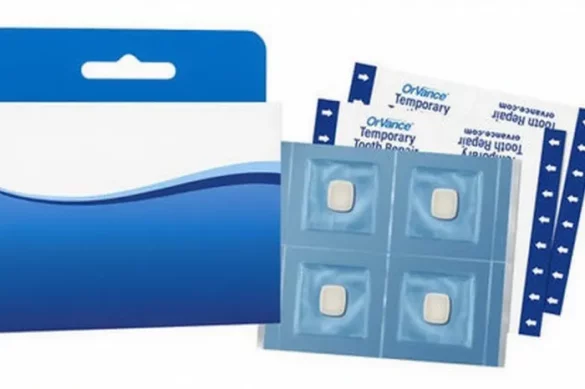
Understanding Temporary Tooth Filling Products
Temporary tooth filling products are designed to provide short-term protection for a damaged or decayed tooth. They are widely available in pharmacies and online, and are intended for use until you can visit a dentist. The main purposes of temporary fillings are to relieve pain caused by exposed nerves, prevent infection, stop food from getting stuck in a cavity, and maintain tooth structure. These products are especially helpful in emergencies or when scheduling a dental appointment is delayed.
Why Would You Need a Temporary Filling?
You might need a temporary filling if you experience tooth pain, lose a current filling, chip a tooth, or notice a cavity forming. Temporary fillings can bridge the gap until a professional can assess the problem and offer a permanent solution. Often, people use these products when traveling, waiting for an appointment, or after receiving dental work that requires a second visit for a permanent filling or crown.
Ingredients Used in Temporary Tooth Fillers
Over-the-counter temporary fillings commonly use one or more of the following base ingredients:
- Zinc oxide eugenol
- Zinc phosphate cement
- Glass ionomer
- Composite resins
Zinc oxide eugenol is popular because it has a soothing effect on the tooth’s nerve and is simple for consumers to apply. Glass ionomer cements bond well to teeth and release fluoride, which helps prevent further decay. Composite resins resemble permanent filling materials but are less durable. Each material is chosen for its balance between ease of use, safety, and ability to protect the tooth in the short term.
Top 5 Over-the-Counter Temporary Tooth Filling Materials
1. Zinc Oxide Eugenol-Based Fillings
This is one of the most common temporary filling materials found in drugstores. It provides a soothing effect due to the eugenol. It’s easy to apply and usually involves mixing a powder and liquid to form a paste. The paste is pressed into the cavity, where it hardens. This filling can last for several days up to a couple of weeks. It protects against infection and reduces pain.
2. Zinc Phosphate Cement
Zinc phosphate cement is another widely available temporary solution. It forms a strong bond to the tooth and can be used for temporary emergency fillings. However, it does not contain eugenol, so it does not soothe pain directly. It is still useful for sealing off the nerve and preventing exposure.
3. Glass Ionomer Cement
This material is sometimes available as an over-the-counter option. Glass ionomer binds to the tooth structure and releases fluoride, which can help prevent further decay. It is typically used by dentists but is now included in some kits for home use. Glass ionomer offers better durability and decay protection compared to basic zinc oxide formulas.
4. Temporary Composite Resin Fillers
Some brands offer temporary composite resin kits for home use. These are plastic-based and resemble the permanent composite fillings dentists use. They are easy to sculpt and shape for a good fit but are not as durable or strong as professional composite fillings. Nevertheless, they offer a natural tooth-like appearance and reasonable protection.
5. Premixed Temporary Fillings
Premixed putties or gels are available in single-use packaging. Users do not need to mix powders and liquids. Instead, the filling material is pressed directly into the cavity. These are convenient, especially for people who want to avoid complex application steps. Some premixed fillers contain antibacterial agents to help prevent infection during the time before the tooth is professionally treated.
How to Apply Over-the-Counter Temporary Tooth Filling
Applying a temporary filling is usually straightforward, but you must follow the instructions carefully. Here are the general steps:
- Wash your hands and rinse your mouth thoroughly.
- Dry the affected tooth with a cotton swab or tissue.
- Prepare the filling material as directed (mixing if required).
- Use a provided applicator or clean finger to press the material into the cavity or chipped area.
- Remove excess material, making sure the filling is not too high and does not disrupt your bite.
- Avoid eating or drinking for at least thirty minutes, or as recommended by the product manufacturer.
Temporary fillings are not strong enough for hard chewing and will wear down if exposed to heavy pressure. Soft foods are recommended while the filling is in place.
Benefits and Limitations of OTC Temporary Fillings
Temporary fillings offer many benefits:
- Fast pain relief
- Protection from bacteria and food debris
- Prevention of further tooth injury
- Easy access and affordability
However, there are limitations:
- They are not designed to last more than a few weeks.
- They do not fix the underlying issue.
- They can fall out or degrade quickly, especially if exposed to strong forces or poor oral hygiene.
- Not suitable for large cavities or severe dentist-needed problems.
Temporary fillings should never be considered a permanent solution. Professional evaluation is always needed to treat the dental problem correctly.
Safety and Risks to Consider
Most commercial temporary fillings are made with safe, well-tested ingredients, but some risks remain. Poor application can result in food being trapped, increasing decay risk. An overfilled or misplaced filling may irritate the gums or bite. Allergic reactions are rare but possible, especially to eugenol. Temporary fillers are not recommended for use in children without dental supervision.
If severe pain, swelling, fever, or bleeding occur, the filling may have failed or an infection is present, and you should seek dental help immediately.
When to See a Dentist
Temporary fillings are an important stopgap measure. However, only a dentist can diagnose the real cause of tooth pain, and only professional fillings are durable enough to last for years. Schedule a dental appointment as soon as possible after using a temporary filler. The dentist can remove the temporary material, clean the affected area, and place a strong, long-lasting filling, possibly using advanced materials such as composite resin, ceramics, or gold.
Delaying professional care risks worsening decay or infection and can lead to higher costs and more invasive treatments later on, such as crowns or root canals. Talk to your dentist about the different permanent filling options and which might be best for your needs.
Cost Considerations
OTC temporary fillings generally cost less than €10–€30 per kit, far less than what professional fillings cost. Permanent dental fillings, especially those made of ceramic or gold, can cost hundreds of euros or dollars. Temporary kits are an affordable choice if dental care is delayed, but they are not suitable for ongoing tooth maintenance. Remember, some dental insurance plans may cover part of the cost of emergency dental appointments, but not the temporary materials themselves.
Conclusion
Over-the-counter temporary tooth filling products are a useful tool until you can see a dentist, offering relief from pain and preventing further damage. Among available options, zinc oxide eugenol-based fillings and premixed putties are the most popular for ease of use and effectiveness. Glass ionomer kits and temporary composite resins are also strong candidates for short-term protection, particularly if you can find them in your local pharmacy. However, these materials do not solve the underlying dental problem, and professional care remains essential. Use these products wisely and follow up with a dental appointment as soon as possible.
FAQs
What is the safest temporary tooth filling material?
Zinc oxide eugenol is generally safe and widely recommended for most adults. If you have allergies or sensitivities, consult a dentist before use.
How long can a temporary tooth filling last?
Most temporary fillers last from a few days up to two weeks. They are not designed for long-term use.
Can I eat normally after applying a temporary filling?
It’s best to eat soft foods and avoid chewing on the filled tooth. Avoid sticky or hard foods that may dislodge the filling.
Should children use temporary tooth filling kits?
Do not use over-the-counter fillings on children except under dental supervision. There may be risks for improper fit or swallowed material.
Is it okay to skip seeing a dentist if the temporary filling feels fine?
No. Temporary fillings only mask symptoms. Always seek dental advice and get a permanent solution to avoid future complications.