


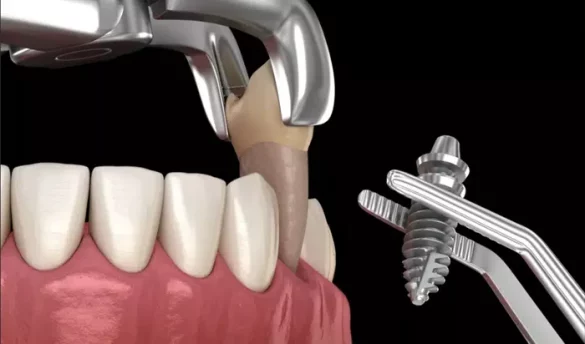
Dental implants are a common and effective solution for replacing missing teeth. They restore function, appearance, and oral health. Despite their benefits, many patients worry about pain during and after the procedure. Understanding which part of the implant process may cause the most discomfort can help prepare patients and reduce anxiety.
Overview of a Tooth Implant Procedure
A dental implant typically involves several stages. These stages include consultation, imaging, surgical placement of the implant, healing, and final restoration with a crown. Each stage has its own level of discomfort, but the surgical phase is usually the most notable.
Stage 1: Consultation and Planning
During the initial consultation, the dentist evaluates your oral health, bone density, and overall suitability for implants. This stage involves minimal discomfort, mainly limited to minor pressure during X-rays or scans. Some patients experience anxiety, which can amplify perceived discomfort.
Stage 2: Pre-Surgical Preparations
Before surgery, the dentist may recommend extractions or bone grafts. Tooth extractions can cause temporary soreness. Bone grafting, if needed, can also contribute to post-procedural discomfort, though local anesthesia usually prevents pain during the procedure itself.
The Surgical Phase: Most Painful Part
The surgical phase is often cited as the most painful part of a tooth implant. This involves making an incision in the gum, drilling into the jawbone, and placing the implant.
Gum Incision and Flap Creation
During surgery, the dentist makes an incision in the gum to expose the jawbone. While local anesthesia ensures the procedure is mostly pain-free, some pressure and vibrations from the instruments can be uncomfortable. Patients often report a sensation of pulling or stretching rather than sharp pain.
Drilling into the Jawbone
Drilling the jawbone to place the implant is usually the most technically invasive part. Patients feel pressure, vibration, and sometimes mild discomfort. Pain perception varies depending on bone density, implant size, and individual sensitivity. The anesthesia typically blocks sharp pain, but post-surgical soreness is common.
Implant Placement
After drilling, the implant is inserted into the jawbone. This part can cause pressure and tension in the surrounding tissues. Again, anesthesia prevents severe pain, but minor discomfort may persist for a few hours after the procedure.
Post-Surgical Pain and Recovery
After the surgery, patients may experience swelling, bruising, and soreness in the implant area. Pain typically peaks within 24-48 hours and gradually decreases over the following days. The following factors influence post-surgical discomfort:
Inflammation and Swelling
The body reacts to surgery by sending blood and immune cells to the area, causing inflammation. Swelling can stretch the gums and increase tenderness. Cold compresses and anti-inflammatory medications are usually recommended to control discomfort.
Suture Tension
If the gum is sutured, tension on the stitches may cause localized pain. Stitches may pull on tissue and cause mild irritation, which usually subsides within a week or two.
Bone Grafting Effects
If bone grafting was performed, the pain may be slightly higher. The grafted area can be tender, especially if the graft involves significant augmentation of the jawbone.
Pain Management Strategies
Effective pain management is essential for a smooth recovery. Dentists usually recommend:
Local Anesthesia and Sedation
During surgery, local anesthesia numbs the area, preventing severe pain. Sedation options, such as oral or intravenous sedation, can help anxious patients remain comfortable throughout the procedure.
Over-the-Counter Medications
Painkillers such as ibuprofen or acetaminophen can manage mild to moderate post-surgical discomfort. These medications reduce inflammation and provide relief during the healing period.
Prescription Pain Medication
In some cases, stronger prescription medications may be provided for the first 24-48 hours. These are usually short-term and intended to cover peak post-surgical pain.
Home Care Practices
Proper oral hygiene, gentle rinsing with saline, avoiding hard foods, and applying ice packs can significantly reduce discomfort. Patients should follow their dentist’s instructions closely to minimize pain and promote healing.
Factors Affecting Pain Perception
Pain is subjective and varies from person to person. Key factors include:
Individual Pain Threshold
Some patients are more sensitive to pain due to genetics, anxiety, or previous experiences. Dentists often tailor anesthesia and sedation accordingly.
Complexity of the Procedure
Complicated cases, such as multiple implants or significant bone grafting, may cause more post-operative soreness compared to simple single-implant procedures.
Oral Health and Bone Quality
Patients with poor oral health, infection, or low bone density may experience higher levels of discomfort due to additional surgical manipulations.
Long-Term Discomfort
After the initial healing period, most patients report minimal or no pain. Occasional mild soreness can occur if the implant site is irritated or under pressure. Chronic pain is uncommon and usually indicates complications such as infection or implant failure.
Signs of Complications
Persistent severe pain, swelling, or redness may indicate infection or improper integration. Patients should contact their dentist immediately if these symptoms occur.
Conclusion
The most painful part of a tooth implant is generally the surgical placement, especially drilling into the jawbone. However, modern anesthesia, sedation, and pain management strategies significantly reduce discomfort. Post-surgical pain is usually manageable and temporary. Understanding each stage of the procedure and following dentist instructions can make the implant process as comfortable as possible.