


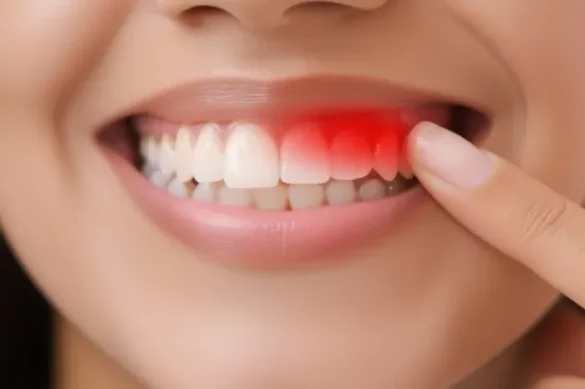
Gingivitis is a widespread oral health issue characterized by swollen, red, and bleeding gums. This early stage of gum disease, if left untreated, can progress to more severe conditions such as periodontitis, leading to tooth loss and systemic health problems. While dental visits are essential for long-term health, numerous natural remedies and lifestyle adjustments can help defeat gingivitis at home. Recognizing and adopting these natural treatments can restore gum health, reduce inflammation, and prevent the development of more severe periodontal disease.
Understanding Gingivitis and Its Impact
Gingivitis develops when plaque, a sticky bacterial film, accumulates around the gum line. The immune system responds to this buildup with inflammation, resulting in symptoms like tenderness, swelling, and bleeding during brushing or flossing. If not treated promptly, gingivitis may lead to further gum damage and even tooth loss. Fortunately, early intervention with natural therapies and improved oral hygiene can often reverse the effects.
Saltwater Rinse: Simple and Effective
A saltwater rinse is one of the oldest and most reliable methods for treating swollen gums. Salt acts as a natural disinfectant and helps draw out infection while soothing inflammation. Clinical studies confirm its similarity in effectiveness to medicated oral rinses. For optimal results, dissolve one teaspoon of salt in a glass of warm water, swish the solution for about 30 seconds, and spit it out. Repeat this process two to three times daily for noticeable relief.
Oil Pulling: Ancient Wisdom for Modern Gums
Oil pulling involves swishing oil in the mouth to reduce harmful oral bacteria and inflammation. Coconut oil, thanks to its antibacterial ingredient lauric acid, is particularly popular. To practice, place one tablespoon of coconut oil in your mouth and swish for five to fifteen minutes. Do not swallow the oil—spit it out into a trash receptacle, rinse your mouth with water, and continue your regular brushing routine. Oil pulling can be performed daily alongside your oral hygiene regimen.
Lemongrass Oil Mouthwash: Plant-Based Antimicrobial Action
Lemongrass essential oil is renowned for its antibacterial and anti-inflammatory powers. Studies show that it can be more effective than conventional mouthwash in reducing harmful bacteria and plaque. Simply mix two to three drops of lemongrass oil in eight ounces of water, swish for around 30 seconds, and spit out the solution. Repeat up to three times a day for best results. This method may also help lower the risk of cardiovascular issues linked to gum disease.
Aloe Vera: Nature’s Soothing Healer
Aloe vera, famous for calming skin irritation, also works wonders for gingivitis. Its soothing properties alleviate gum discomfort, while its antimicrobial qualities fight oral bacteria. Use pure aloe vera gel or juice, swish half a cup mixed with one cup water for 30 seconds, then spit out. Repeat several times a day until your gums become less tender and swollen. Avoid products with added sugars or alcohol for best results.
Tea Tree Oil: A Potent Antimicrobial Rinse
Tea tree oil is a powerful natural solution against bacteria, fungi, and inflammation. Add two to three drops of tea tree oil to eight ounces of warm water and swish for 30 seconds, being careful not to swallow. While effective, tea tree oil may interact with medications, so consult your healthcare provider before use, especially if you have underlying health conditions. Use this rinse up to three times a day until symptoms improve.
Clove Oil: Targeting Pain and Inflammation
Clove oil contains eugenol, providing strong antibacterial and pain-relieving effects. It can help reduce gum pain and fight infection. Mix three to six drops with half a cup of warm water, swish for 30 seconds, and spit out. Use up to three times a day, adjusting frequency if you experience sensitivity. This method offers a natural alternative to prescription mouthwashes for mild gingivitis.
Turmeric Paste: Reducing Gum Swelling
Turmeric, with its active compound curcumin, acts as a robust anti-inflammatory and antimicrobial agent. Create a paste by mixing one teaspoon of turmeric with a little warm water and apply directly to sore gums. Leave the paste for ten minutes, then rinse thoroughly with warm water. Repeat up to twice daily to decrease gum swelling and stop bacteria growth. Topical application ensures maximum effectiveness, as the digestive system does not absorb curcumin efficiently.
Baking Soda: Neutralizing Acids and Soften Tartar
Baking soda acts as a mild abrasive to remove plaque and neutralize acids in the mouth. Blend one teaspoon of baking soda with warm water. For a thicker mixture, rub gently onto gums for 30 seconds; for a liquid version, swish for the same amount of time. Always rinse after use. This remedy can be used up to three times daily for improved gum comfort and reduced inflammation.
Vitamin C: Supporting Tissue Repair
Vitamin C is essential for immune function and gum tissue healing. A deficiency in vitamin C can weaken gums and slow recovery. Consume vitamin-rich foods such as citrus fruits, berries, and leafy greens daily, or consider a dietary supplement if your intake is low. Maintaining optimal vitamin C levels supports collagen production for firmer, healthier gums.
Green Tea: Oral Antioxidant Defense
Green tea is rich in catechins, natural antioxidants that help reduce gum inflammation, fight bad bacteria, and support tissue health. Drink unsweetened green tea regularly, but be aware that frequent use can stain teeth. Chewing green tea gum with xylitol, a tooth-friendly sweetener, also helps decrease plaque. Green tea extract may provide similar benefits if preferred in supplement form.
Hydrogen Peroxide Rinse: Fighting Plaque and Bacteria
Hydrogen peroxide, a mild antiseptic, kills bacteria and reduces plaque. Mix equal parts 3% hydrogen peroxide and water, swish for 30 seconds, and spit. Use this rinse no more than two to three times per week, as overuse can cause mucosal irritation. Avoid swallowing hydrogen peroxide and consult a dentist if unsure about its suitability.
Fundamental Oral Hygiene Practices
Natural remedies for gingivitis work best when combined with excellent oral hygiene. Brush your teeth gently twice a day using soft, circular motions angled toward the gum line. Floss daily, but do not force floss against gums, as aggressive flossing can worsen irritation. Use a toothbrush with air-dried bristles to limit bacteria growth. Alcohol-based mouthwashes should be avoided, as they disrupt the balance of bacteria in the mouth.
Healthy Lifestyle and Diet Choices
A balanced diet full of fresh fruits, vegetables, probiotics, and healthy fats helps support periodontal health. Avoid sugar-laden foods and drinks that encourage harmful bacteria. Staying hydrated is vital for tissue repair and maintaining a neutral pH in the mouth. Nutritional choices should promote overall wellness and reinforce gum resilience.
When to Seek Professional Help
While natural approaches often provide significant relief, persistent symptoms require professional evaluation. If you notice receding gums, loose teeth, or your gums do not improve after one week of home care, contact your dentist promptly. Regular professional cleanings, usually twice a year, are crucial for long-term oral health and the prevention of periodontal disease.
Conclusion
Gingivitis is reversible with attention, dedication, and nature’s best remedies. Consistent saltwater rinses, oil pulling, aloe vera, tea tree and clove oils, turmeric, and supportive nutrition all play essential roles in defeating gum inflammation and restoring health. Remember that home care should go hand-in-hand with professional dental guidance. Early and holistic intervention offers the best chance to kill gingivitis naturally, safeguard gums, and maintain a healthy smile long-term.
FAQs
What are the first symptoms of gingivitis?
The earliest signs usually include swollen, red gums that bleed easily during brushing or flossing. Bad breath and gum sensitivity are also common.
Can these natural remedies cure gingivitis?
Yes, many people see substantial improvement with natural treatments if gingivitis is mild and addressed early. Persistent or advanced cases need professional care.
Are there foods that help fight gum disease?
Foods rich in vitamin C, antioxidants, and probiotics are helpful. Examples include oranges, berries, leafy greens, yogurt, and green tea.
How long does it take for gums to heal with natural remedies?
Depending on the severity, improvement is often noticeable within a few days to a week. Continued daily care ensures lasting results.
Should I stop brushing if my gums bleed?
No. Use gentle brushing with a soft-bristled brush and avoid harsh pressure. Regular cleaning is essential, but avoid aggressive brushing or flossing.