

After having your wisdom teeth removed, your mouth needs time to heal before you can safely eat solid food again. Managing your diet after this surgery is important not only for comfort but also to avoid complications. Many people wonder when they can resume eating their favorite solid foods after wisdom teeth extraction, and how to do so without risking pain, infection, or delayed healing. This article provides a detailed, step-by-step guide, answering common questions about eating solid food after wisdom teeth surgery and offering practical advice for a smooth recovery.
Understanding the Healing Process After Wisdom Teeth Surgery
Wisdom teeth surgery involves the removal of one or more third molars at the back of your mouth. This procedure leaves surgical wounds in the gums, which are sensitive in the days following extraction. Right after surgery, your mouth will feel sore and swollen, and blood clots will begin to form at the surgical sites. These clots are essential for proper healing and protection against infection. The first few days after surgery are critical for recovery and require special attention to oral care and diet.
Immediate Post-Surgical Diet: Liquids and Soft Foods
For the first 2 hours after wisdom teeth extraction, do not eat anything. This allows blood clots to form undisturbed and reduces the risk of complications. Once this period has passed and bleeding has begun to decrease, you may consume clear liquids such as apple juice, tea, or broth. Avoid using a straw for at least the first 3 days, as the suction could dislodge the blood clots, leading to a painful condition called “dry socket.”
During the first 24 hours after surgery, focus on cold, soft foods that are easy to swallow and do not require chewing. Suitable foods include:
- Smoothies (without seeds or chunks)
- Ice cream or sorbet
- Pudding or gelatin
- Soft dairy products like cottage cheese
These foods help ensure that the surgical sites remain undisturbed while providing nutrition and comfort. Avoid hot foods and drinks, as they may increase bleeding.
Advancing Your Diet: Adding Soft, Warm Foods
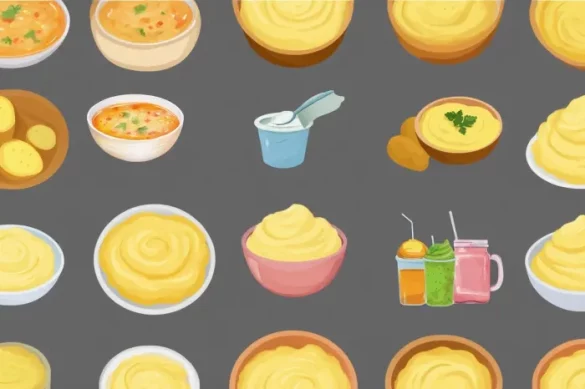
Starting the day after surgery, you can begin to eat a wider range of soft foods. Your choices can include:
- Soups or broths (lukewarm, not hot)
- Scrambled eggs
- Omelets
- Mashed potatoes
- Cooked vegetables
- Very soft grains like oatmeal or quinoa
- Shredded chicken or fish
The goal is to maintain a balanced diet while ensuring all foods are soft enough to avoid chewing near the surgical sites. You may find eating easier if you cut foods into small pieces and chew away from the area of extraction. Stay away from foods that are hard, crunchy, chewy, spicy, or acidic during this period, as they can irritate wounds or become trapped in the healing gums.
Foods to Avoid Following Wisdom Teeth Surgery
Certain foods can damage healing tissues or delay recovery. For the first week after surgery, avoid:
- Hard or crunchy foods (nuts, chips, popcorn)
- Chewy or sticky foods (caramel, candy, tough bread)
- Spicy foods (chili, hot sauce, curry)
- Acidic foods (citrus, tomato sauce)
- Carbonated beverages
- Alcohol-containing drinks and mouth rinses
If you were sedated for surgery, do not eat fatty, creamy, or oily foods immediately afterwards, as these may cause nausea.
Timeline for Eating Solid Food After Wisdom Teeth Removal
The exact timing for returning to solid food after wisdom teeth surgery can vary depending on individual healing and your oral surgeon’s advice. Most patients can begin reintroducing solid foods about five to seven days after surgery. However, some may need to wait longer, especially if there was extensive surgery or if lower wisdom teeth were removed.
General Guidelines for Transitioning to Solid Food
- First 24 Hours: Only cold, soft foods and clear liquids
- Days 2–7: Progress to soft, warm foods and avoid chewing near the surgical area
- Day 5 to 7: Gradually begin trying soft solid foods that require gentle chewing
- After 1 Week: If you feel no pain when eating, you can start incorporating more regular solid foods. If you experience discomfort, return to softer options and try again in a few days.
- 8 Weeks for Lower Wisdom Teeth: In some cases, especially after lower wisdom teeth removal, it’s advised to avoid hard and chewy foods for up to 8 weeks
Remember that everyone heals differently. Always listen to your body and follow your oral surgeon’s personalized recommendations. For instance, some may manage solid foods earlier, while others require additional days before chewing is comfortable.
Signs You Are Ready to Eat Solid Foods
Before making the switch to solid foods:
- Bleeding should have stopped
- Swelling and pain should be mostly resolved
- There should be no signs of infection
- Chewing does not cause pain around the surgery areas
If these conditions are met, you may begin to introduce solid foods slowly.
Tips for a Safe Return to Solid Food
- Cut solid foods into small, manageable pieces
- Chew on the opposite side of your mouth from the extraction site
- Avoid rushing the transition; allow healing to guide your progress
- Continue saltwater rinses to keep the mouth clean
- Use a soft-bristle toothbrush to gently clean teeth
- Drink plenty of fluids, but without using a straw
Monitoring how your body reacts to new foods is crucial. Pain, swelling, or bleeding may signal it’s too early for solid food. If you have any questions or concerns, contact your oral surgeon promptly.
Mistakes to Avoid After Wisdom Teeth Surgery
Rushing to eat solid food too soon can cause pain and complications, such as dry socket or infection. Using a straw, forgetting oral hygiene, and eating spicy or hard foods before your mouth is healed are common mistakes. Stick with recommended foods and pay attention to the healing process to avoid these problems.
Conclusion
Eating solid food after wisdom teeth surgery can be a gradual process that depends on individual healing and following proper aftercare. Start with liquids and soft foods, then slowly introduce soft solids around day five to seven. If pain or complications develop, return to a softer diet and contact your oral surgeon. Prioritize oral hygiene, avoid dangerous foods, and listen to professional advice for the best recovery results. With patience and careful attention, most people can safely eat solid foods within a week after wisdom teeth removal.
Frequently Asked Questions
When is it safe to eat solid food after wisdom teeth removal?
Most people can start eating solid food about five to seven days after surgery, depending on healing.
What happens if I eat solid food too soon?
Eating solid food too early can cause pain, disrupt healing, and may lead to complications like dry socket or infection.
Are there foods I should never eat after wisdom teeth surgery?
Immediately after surgery, avoid hard, crunchy, chewy, sticky, spicy, and acidic foods until your mouth is healed.
How do I know my mouth is ready for solid food?
Wait until there is minimal pain, no bleeding, decreased swelling, and chewing feels comfortable. Always follow your oral surgeon’s guidance.
Should I use a straw or drink carbonated beverages?
Avoid straws and carbonated drinks for the first three days, as both can harm the healing process or dislodge blood clots.