


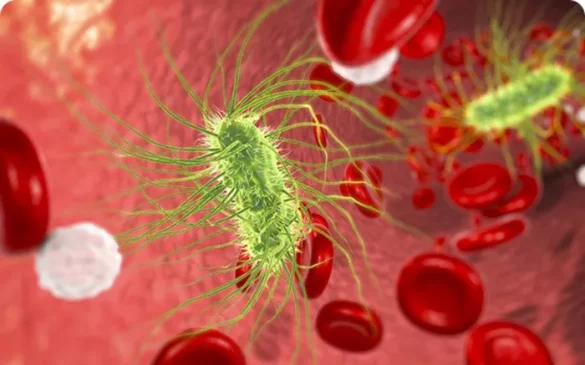
Periodontal pathogens are microorganisms that cause inflammation and infection in the gums and supporting structures of the teeth. They are the main cause of periodontal diseases such as gingivitis and periodontitis. Understanding their origin is essential for preventing and managing these conditions.
Definition of Periodontal Pathogens
Periodontal pathogens are primarily bacteria that live in the oral cavity. They form biofilms on teeth and gums, producing toxins that damage tissue and bone. Common pathogens include Porphyromonas gingivalis, Tannerella forsythia, and Treponema denticola.
Primary Sources of Periodontal Pathogens
Oral Microbiota
The human mouth naturally contains thousands of microbial species. While many are harmless or beneficial, some can become pathogenic under certain conditions. Poor oral hygiene allows these bacteria to accumulate and form dental plaque, which becomes a breeding ground for periodontal pathogens.
Dental Plaque
Dental plaque is a sticky biofilm composed of bacteria, proteins, and debris. Plaque that is not regularly removed can mature, allowing harmful bacteria to thrive. Plaque buildup at the gumline creates an environment conducive to anaerobic bacteria, which are often pathogenic.
Saliva and Gingival Crevicular Fluid
Saliva transports bacteria throughout the mouth, and the fluid in the gum pockets, known as gingival crevicular fluid, can nourish pathogenic bacteria. This fluid contains proteins and nutrients that support bacterial growth, allowing pathogens to colonize periodontal tissues.
External Sources of Periodontal Pathogens
Transmission from Other People
Periodontal pathogens can spread through direct contact with infected saliva. Sharing utensils, kissing, or other close interactions can introduce harmful bacteria into a previously healthy mouth. Studies suggest that family members often share similar oral microbiota, including pathogens.
Environmental Factors
Bacteria from contaminated surfaces, food, or water can also enter the mouth. While most of these bacteria are harmless, some may contribute to oral infections if the immune system is compromised. Maintaining proper hygiene and avoiding contaminated sources reduces this risk.
Systemic Health Conditions
Certain medical conditions, such as diabetes, can alter the balance of oral microbiota. A compromised immune system allows periodontal pathogens to proliferate more easily. Chronic inflammation and other systemic diseases may create favorable conditions for pathogenic bacteria in the mouth.
Factors That Promote Pathogen Growth
Poor Oral Hygiene
Failure to brush and floss regularly allows plaque to accumulate. This creates anaerobic pockets that encourage the growth of harmful bacteria. Regular dental cleanings and proper oral hygiene are critical to controlling pathogen levels.
Smoking and Tobacco Use
Smoking reduces blood flow to the gums and alters the oral microbiome. This creates an environment where periodontal pathogens can thrive. Smokers have a higher prevalence of aggressive periodontal infections compared to non-smokers.
Dietary Habits
Diets high in sugars and carbohydrates provide food for bacteria, promoting plaque formation. Frequent snacking and poor nutrition weaken oral defenses, making it easier for pathogenic bacteria to multiply and cause gum disease.
Stress and Hormonal Changes
Stress and hormonal fluctuations can weaken the immune system, reducing the body’s ability to fight bacterial infections.
Pregnant women, for example, may experience increased susceptibility to gum inflammation due to hormonal changes that affect the oral environment.
Biofilm Formation and Pathogen Survival
Biofilm Characteristics
Biofilms are structured communities of bacteria embedded in a self-produced matrix. They protect bacteria from environmental stress and the immune system. Pathogenic bacteria in biofilms are more resistant to antimicrobial agents and mechanical removal.
Colonization of Gum Pockets
Once biofilms form along the gumline, bacteria can penetrate the gingival sulcus. The subgingival environment provides low oxygen levels that favor the growth of anaerobic periodontal pathogens. Chronic infection can lead to tissue destruction and bone loss.
Co-aggregation and Synergy
Different bacterial species interact and support each other in biofilms. Pathogens such as P. gingivalis often rely on other bacteria to establish colonies. These interactions enhance their survival and pathogenicity, making periodontal infections more persistent.
Prevention of Pathogen Acquisition
Maintaining Oral Hygiene
Brushing twice daily, flossing, and using antimicrobial mouth rinses reduce plaque and bacterial load. Early removal of biofilm prevents the establishment of pathogenic bacteria. Regular dental check-ups help identify and manage early signs of infection.
Healthy Lifestyle Choices
Quitting smoking, reducing sugar intake, and managing stress improve oral health. These changes decrease the favorable conditions for pathogen growth and support the immune system in controlling bacterial populations.
Professional Dental Care
Routine professional cleaning removes plaque and tartar that cannot be eliminated by home care alone. Dentists can also identify high-risk areas and recommend targeted treatments to prevent the proliferation of periodontal pathogens.
Monitoring Systemic Health
Managing systemic conditions such as diabetes and immune deficiencies reduces susceptibility to periodontal infections. Maintaining overall health supports the body’s ability to control oral pathogens naturally.
Conclusion
Periodontal pathogens originate from multiple sources, including the natural oral microbiota, other people, environmental exposures, and systemic health conditions. Their growth is influenced by oral hygiene, lifestyle, diet, and immune function.
Understanding these sources is essential for prevention, early detection, and effective management of periodontal diseases.
By maintaining oral hygiene, seeking regular dental care, and adopting healthy habits, individuals can reduce their exposure to these harmful bacteria and protect their oral health.