


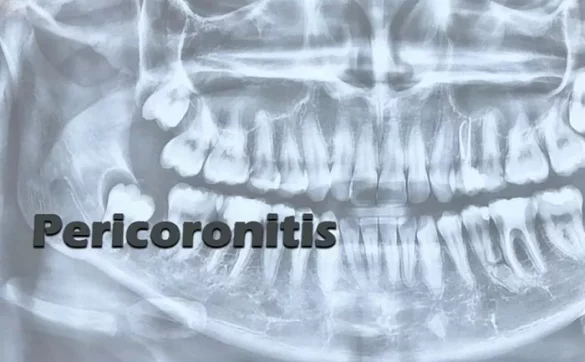
Pericoronitis is a common inflammatory condition around a partially erupted tooth. It usually affects the lower third molar region. It causes pain. It causes swelling. It may cause trismus. It can also cause systemic symptoms when severe. Dental clinicians must choose the correct intervention based on the severity of the infection. They must follow established principles of oral infection control. They must prevent complications. They must avoid the misuse of antibiotics. This article explains which intervention is indicated for a patient with pericoronitis. It describes the condition in clear steps. It outlines clinical evaluation strategies. It provides detailed guidance on immediate treatments, supportive care, surgical options, and long-term management.
What Is Pericoronitis?
Pericoronitis occurs when soft tissue around a partially erupted tooth becomes infected. The operculum traps food debris. The flap also traps bacteria. It creates a warm and moist space. It allows anaerobic bacteria to multiply. The condition is most common in young adults. The reason is simple. Wisdom teeth usually erupt during late adolescence. Many erupt partially. Some remain impacted. The condition may be acute. It may be chronic. Acute pericoronitis produces significant pain and swelling. Chronic pericoronitis produces mild discomfort but recurs. The choice of intervention depends on the stage. It depends on the presence of systemic symptoms. It depends on the position of the tooth. It depends on the degree of infection.
Symptoms of Pericoronitis That Influence Intervention Choice
The symptoms of pericoronitis help determine the correct intervention. The dentist must assess local symptoms. The dentist must also assess systemic symptoms. The following symptoms affect treatment decisions:
Pain and Local Inflammation
Pain is a common complaint. It may radiate. It may worsen during chewing. Pain indicates active inflammation. Mild pain often requires local cleaning. Moderate pain may require analgesics. Severe pain may require drainage or extraction planning.
Swelling and Redness
Soft tissue swelling suggests bacterial activity. Redness indicates irritation. If swelling is localized, irrigation and debridement are effective. If swelling spreads beyond the molar region, the infection may be spreading. That condition requires more aggressive management.
Trismus (Difficulty Opening Mouth)
Trismus shows deeper involvement. It may indicate spread into surrounding muscle spaces. Moderate trismus may still respond to local therapy with analgesics. Severe trismus may require urgent drainage or hospitalization.
Suppuration or Pus Formation
Pus means the presence of an abscess. Drainage becomes a priority. Irrigation alone is not sufficient. The clinician must allow pus to escape. This intervention reduces pain. It reduces inflammatory burden. It restores function.
Fever and Systemic Symptoms
Fever means systemic involvement. The patient may feel weak. They may feel malaise. They may experience lymphadenopathy. Antibiotics become essential in such cases. Local therapy should accompany systemic therapy.
Recurrent Episodes
Recurrent pericoronitis suggests a persistent anatomical problem. The operculum does not resolve. Food continuously enters the pocket. The long-term intervention may require surgical removal of the operculum or extraction of the wisdom tooth.
Clinical Examination to Determine the Correct Intervention
A dentist must evaluate the patient carefully. A correct intervention depends on accurate diagnosis. The clinical examination includes several essential steps.
Visual Inspection
The clinician observes the operculum. They look for swelling. They look for redness. They check for food debris. A simple visual inspection can indicate whether irrigation is enough.
Palpation
Palpation checks for tenderness. It identifies fluctuance. It evaluates the need for drainage. If the area feels soft, pus may be present. This finding changes intervention strategy.
Periodontal Probing
Gentle probing detects pocket depth. A deep pseudopocket traps bacteria. Debridement becomes necessary. The dentist also assesses the tissue condition.
Radiographic Evaluation
A panoramic radiograph shows tooth position. It determines whether the tooth is impacted. It helps assess long-term prognosis. Radiographs help plan surgical extraction.
Primary Intervention: Local Irrigation and Debridement
Local irrigation is the first-line intervention for pericoronitis. It removes debris. It reduces bacterial load. It decreases pain. The dentist uses saline irrigation. The dentist may also use chlorhexidine irrigation. Irrigation is simple. Irrigation is effective in early stages. It allows inflammation to decrease.
Why Irrigation Is Indicated
The operculum creates a pocket. The pocket accumulates food. Anaerobic bacteria thrive. Irrigation flushes these materials. It disrupts bacterial colonies. It gives immediate relief. Many mild cases respond well.
Debridement Techniques
The dentist uses a scaler. The dentist removes plaque. The dentist removes calculus. Careful debridement prevents trauma. Debridement reduces further irritation. The area becomes cleaner. Healing begins quickly.
Home Irrigation by the Patient
The patient must continue home care. The dentist instructs them to rinse with warm saline. They may also use chlorhexidine rinses. The rinses should be used gently. The goal is cleanliness. Proper hygiene prevents recurrence.
Pain Control as a Key Intervention
Pain control is essential. The dentist recommends NSAIDs. Ibuprofen is common. Paracetamol is an alternative. The choice depends on patient tolerance. Analgesics reduce inflammation. Analgesics improve function. Pain control helps the patient maintain oral hygiene.
Topical Analgesics
Some clinicians use topical gels. They contain local anesthetics. They provide short relief. They support early cleaning. They should not replace systemic therapy.
Management of Soft Tissue Swelling
Swelling indicates inflammation. Swelling may reduce after irrigation. Swelling may require analgesics. If swelling progresses, the clinician reassesses the patient. Severe swelling suggests spread of infection. That condition requires more intensive intervention.
Warm Saline Rinses
Warm saline reduces swelling. It improves circulation. It promotes drainage. The patient should rinse several times daily.
Cold Compresses
Cold compresses help reduce superficial swelling. The patient may apply cold pads on the cheek. They should avoid placing cold materials directly inside the mouth.
When Antibiotics Are Indicated
Antibiotics are not always required for pericoronitis. They are only indicated when systemic symptoms exist. They are also indicated when swelling spreads. They are indicated when trismus limits cleaning. They are indicated when lymph nodes are enlarged. They are indicated when fever develops. Correct antibiotic selection reduces complications.
First-Line Antibiotics
Amoxicillin is a common choice. Metronidazole is effective against anaerobes. Some clinicians combine both. The combination works well for severe infections. Antibiotics must be used responsibly.
Alternative Antibiotics for Allergic Patients
Patients allergic to penicillin may take clindamycin. They may also take erythromycin. The choice depends on symptom severity. The clinician evaluates the best option.
Duration of Therapy
Most cases require a 3-5 day course. Severe infections may require longer. The patient must complete the full course.
Drainage of Abscess When Present
Abscess formation changes intervention needs. Irrigation alone will not resolve an abscess. Pus must escape. Drainage reduces pain. Drainage improves mouth opening. Drainage stops bacterial progression. The dentist uses sterile instruments.
They create an opening if necessary. They remove purulent material. They irrigate after drainage. The intervention is simple but critical.
Signs That Drainage Is Needed
The presence of fluctuance suggests an abscess. Severe pain suggests trapped pus. Rapid swelling suggests abscess formation. Facial asymmetry may appear. Trismus may increase. These signs require immediate drainage.
Operculectomy as a Surgical Intervention
If the operculum repeatedly becomes infected, operculectomy may be indicated. The procedure removes the soft tissue flap.
It eliminates the pocket. It prevents food accumulation. It reduces bacterial growth. This intervention is minor. It is effective when the tooth has space to erupt. The dentist uses local anesthesia. They excise the flap. Healing is usually fast.
When Operculectomy Works Best
Operculectomy works when the tooth is expected to erupt normally. It works when the jaw has enough space. It works when the root development is incomplete. It is not ideal for horizontally impacted teeth.
Extraction of the Wisdom Tooth
Extraction is the definitive treatment for recurrent pericoronitis. It removes the source. It eliminates the operculum. It prevents future infection. Extraction is indicated when the tooth is impacted. It is indicated when the tooth has no functional value. It is indicated when the patient has repeated episodes despite cleaning.
Reasons for Choosing Extraction
Recurrent inflammation causes chronic discomfort. Continuous swelling affects chewing. Persistent infection affects daily life. Extraction solves the problem permanently. It also prevents cyst formation. It prevents future decay of the adjacent tooth.
Timing of Extraction
Extraction is best performed after acute inflammation subsides. The dentist may use antibiotics first. They may schedule extraction after 48-72 hours. Severe infections with abscess may require immediate surgery.
Emergency Interventions for Severe Cases
Severe pericoronitis can spread. It may affect deep spaces. It may threaten the airway. Emergency care becomes essential.
The clinician must evaluate airway patency. The clinician must evaluate dehydration. The clinician must consider hospitalization.
Hospital Referral
Hospital care is necessary when the patient has high fever. It is necessary when the patient cannot swallow. It is necessary when swelling reaches the neck. It is necessary when breathing becomes difficult.
Intravenous Antibiotics
Severe infections may require intravenous therapy. IV antibiotics act faster. They help control spreading infection.
Supportive Interventions
Supportive care helps healing. It complements primary treatments. It includes hydration. It includes rest. It includes warm compresses. It includes good oral hygiene.
Oral Hygiene Maintenance
The patient must keep the mouth clean. They should brush gently. They should avoid harsh brushing near the operculum. They should rinse frequently.
Dietary Adjustments
Soft foods reduce irritation. Cold foods may soothe discomfort. The patient should avoid spicy foods.
Long-Term Prevention Strategies
Long-term prevention aims to eliminate recurrence. Wisdom tooth evaluation is essential. The dentist monitors eruption patterns. The dentist checks for occlusal trauma. The patient must maintain oral hygiene.
Regular Dental Visits
Dental checkups identify early inflammation. Early treatment prevents severe episodes.
Patient Education
Patients should understand the condition. They must know how to clean the area. They must recognize symptoms early.
Conclusion
The correct intervention for pericoronitis depends on severity. Mild cases respond to irrigation. Moderate cases require debridement and analgesics. Severe cases require antibiotics. Abscess cases require drainage. Chronic cases require operculectomy or extraction. The clinician must evaluate symptoms carefully. They must choose the safest and most effective intervention. The objective is simple. Restore comfort. Remove infection. Prevent recurrence. This approach offers predictable outcomes and long-term oral health.