


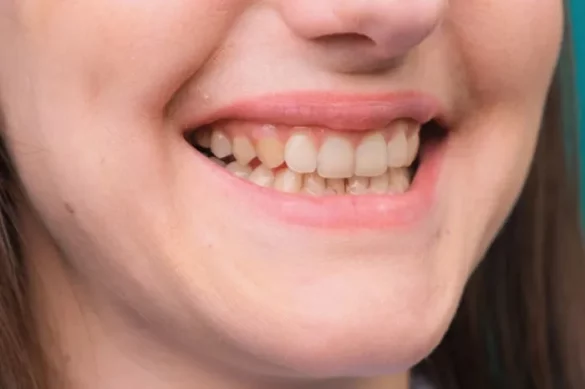
Many people are concerned when they notice their teeth turning yellow, and it’s common to assume that the cause is poor brushing or consuming too much coffee. However, vitamin deficiency is a lesser-known but significant factor in teeth discoloration. Understanding the connection between certain vitamins and yellow teeth can help you better care for your oral health and maintain a bright smile.
Understanding the Relationship Between Vitamins and Teeth Color
The color of your teeth depends on many factors, including genetic makeup, lifestyle, diet, and oral hygiene. But, underlying health conditions such as vitamin deficiencies can make your teeth more prone to discoloration. Vital vitamins strengthen tooth enamel, support healthy gums, and prevent the buildup of stains and plaque.
Why Do Vitamin Deficiencies Cause Yellow Teeth?
Vitamins play an essential role in maintaining the strength, brightness, and overall health of your teeth. When your body doesn’t receive an adequate supply of certain vitamins, your teeth can start to weaken. This may result in thinning enamel, which exposes the underlying yellowish dentin. In such cases, teeth are more likely to become stained or turn yellow, even with good dental hygiene.
Key Vitamins and Their Impact on Tooth Color
Several vitamins are directly associated with maintaining white and healthy teeth. Let’s examine the most important vitamins and how their deficiencies affect teeth discoloration:
Vitamin D Deficiency and Yellow Teeth
Vitamin D is crucial because it helps the body absorb calcium. Calcium, in turn, helps build and maintain strong tooth enamel. When vitamin D levels are low, calcium absorption decreases. This causes enamel to thin over time, exposing the yellow dentin beneath and making your teeth look yellow.
In addition, vitamin D deficiency increases the risk of cavities and tooth decay, both of which can lead to further discoloration.
Vitamin D can be found in sunlight, fatty fish like salmon and tuna, dairy products, and fortified plant-based milks.
Calcium Deficiency as a Contributor
Calcium is a mineral, not a vitamin, but it works closely with vitamin D to strengthen teeth. Low calcium levels can make your enamel weaker and more likely to stain or become brittle. In some cases, a calcium deficiency can even contribute to tooth loss. Make sure to get enough calcium from dairy, leafy greens, and fortified non-dairy options.
Vitamin B12 and Other B Vitamins
Vitamin B12 and other B complex vitamins protect your mouth from infections, maintain gum health, and keep bacterial plaque in check. When you lack B12, plaque can build up more easily, and your gums may become inflamed. This can cause teeth to appear yellow as bacteria and stains accumulate.
People who follow vegan or vegetarian diets are at higher risk for B12 deficiency because this vitamin is found mostly in animal products. If you notice persistent yellow teeth and practice a plant-based lifestyle, consider reviewing your B12 intake.
Vitamin C and Its Role in Gum and Tooth Health
Vitamin C is essential for healthy gums and connective tissue. It helps to ward off gum disease, reduces gum bleeding, and improves overall oral health. Not getting enough vitamin C can lead to inflamed gums, which may bleed and release substances that stain teeth. Additionally, a lack of vitamin C weakens the dentin layer under the enamel, amplifying yellowing and contributing to an overall dull appearance.
Vitamin A Deficiency and Tooth Discoloration
Vitamin A is important for producing saliva, which helps clean the mouth by washing away food particles and bacteria. Adequate saliva flow keeps teeth cleaner and reduces plaque buildup. If you are low in vitamin A, your mouth may be drier, giving stains a greater chance to adhere to teeth. Over time, this results in yellowed or dulled teeth.
Vitamin A is present in eggs, dairy, and colorful vegetables such as carrots and sweet potatoes.
Other Causes of Yellow Teeth
While vitamin deficiencies play a crucial role, other factors also contribute to yellow teeth. Poor dental hygiene, diets high in staining foods or drinks (such as coffee, tea, red wine), smoking, and the use of certain medications can all cause teeth to lose their white appearance. It’s important to consider these factors alongside your vitamin intake for the best dental outcomes.
How to Address Vitamin Deficiencies to Prevent or Reverse Yellow Teeth
Improving your diet and lifestyle can often reverse teeth discoloration caused by vitamin deficiencies. Here are practical steps you can take:
Eat a Balanced, Nutrient-Rich Diet
Include a variety of foods rich in vitamin D, calcium, B vitamins, vitamin C, and vitamin A. This could mean eating more fish, dairy, green leafy vegetables, legumes, eggs, nuts, and fresh fruits.
Get Adequate Sunlight
Spending time in sunlight helps your body produce vitamin D naturally. Aim for moderate sun exposure several times a week, but always protect your skin as necessary.
Consider Supplements If Needed
If your diet lacks certain nutrients or you follow a restrictive diet that omits food groups (such as veganism), consult a healthcare provider about vitamin supplements. Proper supplementation can help restore healthy vitamin levels and improve oral health.
Practice Good Oral Hygiene
Even with proper nutrition, brushing twice a day with fluoride toothpaste, flossing, and visiting your dentist every six months are essential for maintaining white teeth and preventing stains. Drinking plenty of water helps wash away food particles and bacteria that can cause staining.
Professional Teeth Whitening and Medical Advice
While over-the-counter teeth whitening can help improve tooth brightness, the results are temporary if the root nutritional deficiencies are not addressed. It’s vital to consult with a dental professional for a thorough examination and to identify the underlying causes of yellow teeth. Your dentist can recommend personalized treatment options and may suggest professional whitening services, dietary improvements, or supplements.
Conclusion
A bright smile is more than just an outcome of brushing or professional dental care—it also reflects your nutritional health. Vitamin deficiencies in D, B12, C, and A, along with low calcium intake, can cause or worsen yellow teeth. By recognizing the signs of deficiency and adopting a healthy, balanced diet, you can enhance both your smile and overall well-being. Do not forget that good oral hygiene and regular dentist visits remain crucial. Addressing deficiencies will help you enjoy a whiter, healthier smile for years to come.
Frequently Asked Questions (FAQs)
Which is the most common vitamin deficiency causing yellow teeth?
Vitamin D deficiency is among the most common, as it impacts calcium absorption and enamel strength, leading to yellowish teeth.
Can yellow teeth from vitamin deficiency be reversed?
Yes, if detected early, teeth color can often be improved by correcting the deficiency and maintaining good oral hygiene.
Are vegetarians more prone to certain vitamin deficiencies affecting teeth?
Vegetarians and vegans are at higher risk for vitamin B12 deficiency, which can impact oral health and lead to yellowing.
Is professional whitening safe for teeth discolored by vitamin deficiency?
Professional whitening is generally safe but should be combined with addressing the deficiency for the best results.
How can I tell if my yellow teeth are from a vitamin deficiency or another cause?
Consulting a dentist is the best way to identify the specific cause of yellowing. Dentists can perform exams and recommend appropriate treatments or dietary adjustments.