

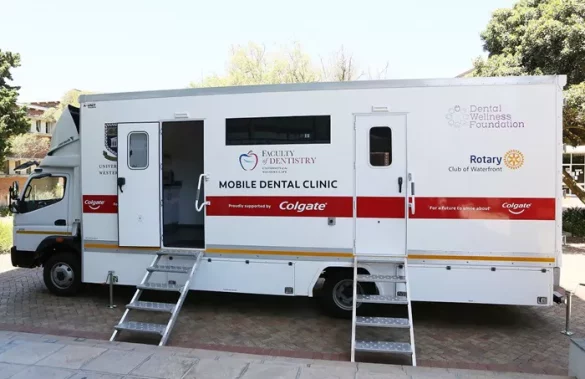
Mobile and portable dental clinics have emerged as flexible solutions to reach people who may not have easy access to traditional dental offices. They are equipped with modern dental tools and technology, allowing dentists to provide services outside of conventional clinics. These clinics can vary from vans and buses fitted with dental chairs to small portable units that can be set up in community spaces.
The concept of mobile dental care addresses barriers such as transportation issues, financial limitations, and limited availability of dental professionals in certain regions. By taking dental care directly to communities, these clinics make oral health more accessible and promote preventive care. Understanding who benefits most from mobile dental clinics can guide healthcare providers, policymakers, and organizations to make informed decisions.
Individuals in Remote and Rural Areas
Limited Access to Traditional Clinics
People living in remote or rural regions often face significant challenges in accessing dental care. Traditional clinics may be hours away, and public transportation options may be limited. Mobile dental clinics provide a practical solution by bringing services directly to these areas, reducing travel time and cost for patients.
Regular Dental Checkups Made Easier
Regular dental checkups are crucial for maintaining oral health and preventing conditions like cavities and gum disease.
Mobile dental units allow residents in isolated areas to receive timely preventive care, screenings, and treatments. This access can significantly reduce the prevalence of untreated dental problems and improve overall community health.
Children and School-Based Dental Programs
Access to Pediatric Dental Care
Schools are ideal locations for mobile dental clinics because they allow children to receive dental care without leaving the school premises. Many children miss dental visits due to busy family schedules or lack of transportation. School-based mobile clinics provide checkups, fluoride treatments, sealants, and basic restorative services efficiently.
Promoting Preventive Care Early
Introducing dental care at a young age fosters good oral hygiene habits. Mobile clinics in schools can educate children about brushing, flossing, and healthy eating. This early intervention helps reduce cavities, plaque, and other oral health issues over the long term.
Elderly Populations and Nursing Homes
Overcoming Mobility Challenges
Many elderly individuals face mobility limitations, making travel to a dental office difficult. Mobile dental clinics can visit nursing homes, assisted living facilities, and senior centers to provide essential dental care. This approach ensures that older adults maintain oral health despite physical constraints.
Managing Chronic Oral Health Conditions
The elderly often experience conditions such as dry mouth, gum disease, or tooth loss. Mobile dental units can provide routine cleaning, denture maintenance, and restorative care. Addressing these needs onsite can improve quality of life and reduce the risk of systemic health problems linked to poor oral health, such as heart disease and diabetes.
Underserved and Low-Income Communities
Reducing Financial Barriers
Low-income individuals often forgo dental care due to cost. Mobile clinics, sometimes supported by government programs or charitable organizations, can offer free or reduced-cost services. This approach ensures equitable access to dental care for underserved populations.
Improving Oral Health Equity
By bringing care directly to neighborhoods or community centers, mobile clinics help reduce disparities in oral health.
Regular checkups, education, and preventive treatments provided by these clinics can prevent long-term dental problems and reduce the need for expensive emergency treatments.
Special Needs and Disabled Individuals
Accessibility for Patients with Disabilities
People with physical or cognitive disabilities may find traditional dental offices challenging to navigate. Mobile dental units are often designed with accessibility in mind, including adjustable chairs and adaptive equipment. This allows dentists to deliver care comfortably and safely.
Reducing Anxiety and Stress
For patients with severe anxiety or special needs, familiar environments can make dental visits less stressful. Mobile clinics can sometimes visit homes or community centers, providing a calmer setting and reducing the psychological barriers to dental care.
Corporate and Workplace Dental Programs
Convenience for Employees
Some companies use mobile dental clinics to provide on-site dental care for employees. This convenience encourages regular checkups and preventive treatments without disrupting work schedules. Employees save time and employers benefit from healthier staff with fewer sick days.
Workplace Health Initiatives
Integrating dental care into workplace wellness programs highlights the importance of oral health as part of overall well-being. Mobile clinics can offer screenings, cleanings, and oral hygiene education directly at the workplace, fostering a culture of health and preventive care.
Community Health Events and Public Outreach
Pop-Up Clinics at Local Events
Mobile dental units can participate in health fairs, community festivals, and charity events. This public outreach raises awareness about oral health, provides education, and offers immediate care to those in need. Such events can attract people who might not otherwise seek dental services.
Emergency or Disaster Relief
In areas affected by natural disasters, dental care is often disrupted. Mobile clinics can be deployed to provide urgent dental services, including pain relief, infection management, and temporary restorations. This rapid response ensures that affected populations continue to receive essential oral health care.
Advantages of Mobile Dental Clinics
Flexibility and Adaptability
Mobile clinics can be scheduled to visit multiple locations, making them highly flexible. They can adapt to the needs of different communities, schools, or workplaces. This flexibility allows providers to reach populations that may otherwise be neglected.
Cost-Effective for Certain Populations
While setting up a mobile clinic requires investment, it can be cost-effective for reaching large groups. Reducing patient travel, improving preventive care, and decreasing emergency dental visits can save money for both patients and healthcare systems.
Promoting Oral Health Education
Mobile clinics are ideal platforms for education. Dentists can provide demonstrations, distribute oral hygiene kits, and conduct workshops. These activities empower communities to take proactive steps toward better oral health.
Limitations and Considerations
Scope of Treatments
Mobile and portable clinics may have limitations in performing complex procedures like major oral surgeries or advanced restorative work. Understanding these limitations helps in planning which services are provided onsite and which require referral to a full dental office.
Regulatory and Licensing Requirements
Mobile clinics must comply with state and national dental regulations. Licensing, hygiene standards, and waste disposal requirements must be followed to ensure patient safety. Providers should ensure that mobile operations meet these standards before deployment.
Equipment and Space Constraints
Portable dental units have limited space and equipment compared to traditional clinics. While they are suitable for preventive care and basic treatments, extensive procedures may need a conventional clinic setup. Proper planning and triaging of patients can address these constraints effectively.
Conclusion
Mobile and portable dental clinics are best suited for individuals and communities facing barriers to traditional dental care.
They are particularly effective for residents in rural or underserved areas, children in schools, elderly populations, people with disabilities, and corporate or workplace programs. Additionally, mobile units play a vital role in community outreach, public health campaigns, and disaster relief.
By reducing travel barriers, lowering costs, and providing education, mobile dental clinics improve access to oral healthcare and promote preventive practices. While they have certain limitations, their flexibility and ability to serve diverse populations make them invaluable tools in modern dental care strategies. Understanding who benefits most helps providers and organizations deploy these clinics where they can make the greatest impact, ensuring that oral health is accessible to everyone.