


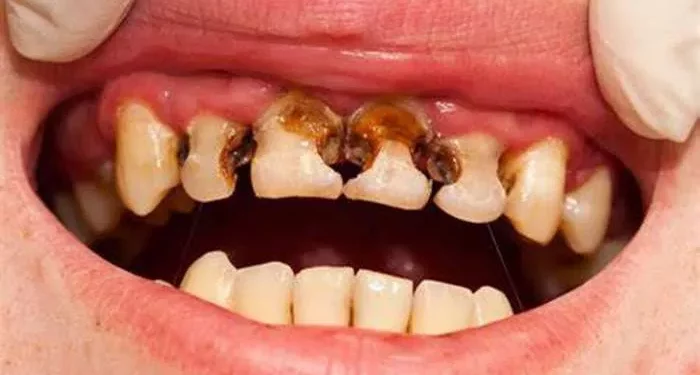
Interproximal cavities (those forming between teeth) are among the most common yet frequently overlooked dental problems. Many patients are surprised to learn they have cavities in these hidden areas despite regular brushing. This article explains why these specific cavities develop, how to detect them early, and most importantly – how to prevent them effectively.
The Unique Challenge of Interproximal Cavities
Anatomy of Tooth Contacts
Between teeth features:
- Tight physical contact points
- Microscopic gaps allowing bacterial entry
- No enamel on root surfaces if gums recede
- Impossible to see without X-rays
- Difficult to clean with brushing alone
Why They’re Different From Other Cavities
Key distinctions:
- Develop without visible signs
- Progress faster in many cases
- Often larger than they appear
- Require different cleaning methods
- More likely to need X-ray diagnosis
Primary Causes of Between-Teeth Decay
Inadequate Flossing
The flossing connection:
- Brushing cleans only 60% of tooth surfaces
- Floss reaches where brushes can’t
- Plaque between teeth remains for days
- Acid attacks continue uninterrupted
- Cavities start just below contact points
Food Impaction Patterns
Problem foods include:
- Fibrous meats
- Popcorn kernels
- Bread products
- Sticky candies
- Seeds and nuts
Existing Dental Work Issues
Restoration problems:
- Overhanging filling edges
- Poorly contoured crowns
- Worn amalgam margins
- Gaps around old fillings
- Recurrent decay underneath
High-Risk Factors for Interproximal Decay
Tight Tooth Contacts
Challenges created by:
- Naturally close tooth spacing
- Crowded teeth
- Overlapping teeth
- Rotated teeth
- Orthodontic appliances
Gum Recession
Exposed root surfaces:
- Softer cementum decays faster
- More sensitive to acid attacks
- Lacks protective enamel layer
- Often near contact areas
- Harder to keep clean
Dry Mouth Conditions
Saliva’s protective roles:
- Washes away food debris
- Neutralizes plaque acids
- Provides remineralizing minerals
- Contains antibacterial agents
Detecting Between-Teeth Cavities
Early Warning Signs
Initial indicators:
- New sensitivity to sweets
- Food constantly getting stuck
- Floss shredding in one area
- Slight gray shadow visible
- Mild discomfort when biting
Diagnostic Methods
Dental detection tools:
- Bitewing X-rays (most accurate)
- Laser fluorescence devices
- Digital imaging analysis
- Tactile exploration with probe
- Visual inspection with mirrors
What Dentists Look For
Tell-tale signs:
- Triangular dark areas on X-rays
- Broken contact points
- Recurrent decay under fillings
- Dark shadows beneath enamel
- Rough surfaces when probing
Prevention Strategies That Work
Proper Flossing Technique
Correct method:
- Use 18 inches of floss
- Curve around each tooth
- Slide gently under gums
- Clean both tooth surfaces
- Don’t snap or force floss
Alternative Interdental Cleaners
Other effective options:
- Interdental brushes
- Soft picks
- Water flossers
- Floss threaders
- Tufted brushes
Professional Preventive Care
Dental office solutions:
- Regular professional cleanings
- Fluoride varnish applications
- Dental sealants when possible
- Bitewing X-rays annually
- Air polishing for stains
Treatment Options for Existing Cavities
Early Stage Interventions
Conservative approaches:
- High-concentration fluoride
- Resin infiltration therapy
- Microabrasion
- Remineralization protocols
- Improved home care
Restorative Treatments
Common procedures:
- Tooth-colored composite fillings
- Glass ionomer restorations
- Inlays for larger cavities
- Crowns if extensively damaged
- Sometimes root canal therapy
Advanced Cases
Severe damage solutions:
- Crown lengthening surgery
- Root canal treatment
- Extraction when non-restorable
- Implant or bridge replacement
Special Considerations
Children and Teens
Youth-specific challenges:
- Difficulty flossing properly
- Tight contacts in new teeth
- Orthodontic appliances
- Frequent snacking habits
- Parental supervision needs
Older Adults
Age-related factors:
- Receding gums exposing roots
- Arthritis making flossing hard
- Existing dental work failing
- Multiple medication use
- Vision/dexterity limitations
When to Seek Professional Help
Warning Signs
Schedule dental visit for:
- New tooth sensitivity
- Persistent food trapping
- Floss consistently shredding
- Visible dark spots
- Unexplained bad taste
Emergency Situations
Require immediate care:
- Severe spontaneous pain
- Swollen gums between teeth
- Broken tooth fragments
- Pus discharge
- Facial swelling
Long-Term Maintenance Plan
Home Care Routine
Essential daily practices:
- Flossing before brushing
- Antimicrobial mouth rinse
- Fluoride toothpaste
- Interdental cleaner use
- Tongue cleaning
Professional Care Schedule
Recommended visits:
- Cleanings every 6 months
- Bitewing X-rays annually
- Fluoride treatments
- Oral cancer screening
- Periodontal evaluation
Emerging Technologies
New Detection Methods
Innovative diagnostics:
- AI-assisted X-ray analysis
- Optical coherence tomography
- Laser fluorescence advances
- 3D intraoral scanning
Preventive Innovations
Future possibilities:
- Smart floss that detects decay
- Probiotic replacement therapy
- Nanotechnology coatings
- Gene editing of oral bacteria
Conclusion
Cavities between teeth develop because these areas are particularly vulnerable to plaque accumulation and are often neglected in daily cleaning routines. Unlike visible surfaces that brushing cleans effectively, the tight contacts between teeth require specific interdental cleaning methods to prevent decay.
The good news is that with proper flossing technique, the right tools, and regular professional care, interproximal cavities are largely preventable. If you’ve been diagnosed with between-teeth decay, view it as an opportunity to improve your oral care routine rather than just repairing the damage. Remember that preventing future cavities is always better than treating them after they form.
Your dentist can provide personalized recommendations for your specific tooth spacing and dexterity needs. With consistent, proper between-teeth cleaning and regular dental checkups, you can maintain healthy contacts and avoid these hidden cavities in the future. Your smile will thank you for the extra attention to those hard-to-reach spaces.