


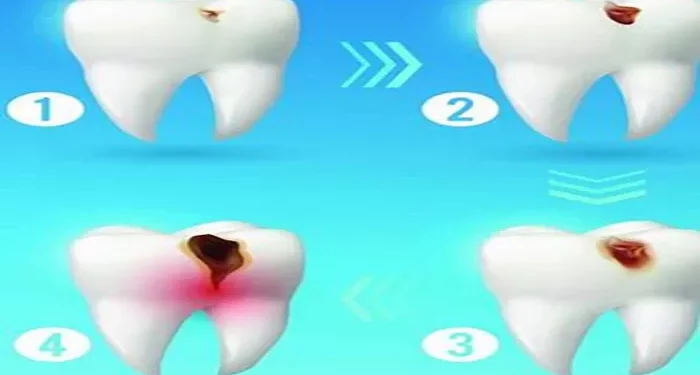
Discovering you have multiple cavities across all your teeth can be alarming and confusing. As a dentist, I understand how distressing this diagnosis can feel. This widespread tooth decay usually results from a combination of factors rather than a single cause. In this article, we’ll explore the various reasons why someone might develop cavities in all their teeth and what can be done to treat current decay while preventing new cavities from forming.
Understanding Widespread Tooth Decay
How Cavities Develop
The cavity formation process involves:
- Oral bacteria feeding on sugars and producing acid
- Acid eroding tooth enamel over time
- Progressive destruction of tooth structure
- Eventually forming holes in the teeth
Why Multiple Teeth Are Affected
When decay appears everywhere:
- Risk factors affect the entire mouth equally
- Oral environment favors cavity formation
- Protective factors are insufficient
- Problems compound over time
Primary Causes of Generalized Cavities
Chronic Dry Mouth
Reduced saliva’s devastating effects:
- Saliva normally neutralizes acids
- Washes away food particles
- Contains protective minerals
- Dry mouth allows rampant decay
Frequent Sugar Consumption
Constant acid attacks from:
- Sugary drinks throughout the day
- Frequent snacking on sweets
- Sticky candies that cling to teeth
- Hidden sugars in processed foods
Additional Contributing Factors
Inadequate Oral Hygiene
Common cleaning shortcomings:
- Brushing too infrequently
- Missing hard-to-reach areas
- Not flossing regularly
- Using improper technique
Genetic Predispositions
Inherited challenges:
- Naturally thin enamel
- Deep tooth grooves
- Crowded teeth
- Low saliva production
Medical Conditions That Increase Risk
Acid Reflux Disease
Stomach acid damages teeth:
- Acid washes over teeth
- Erodes enamel quickly
- Often affects all teeth
- May be worse at night
Eating Disorders
Nutritional impacts:
- Stomach acid from vomiting
- Nutritional deficiencies
- Reduced saliva flow
- Enamel erosion patterns
Environmental and Lifestyle Factors
Medication Side Effects
Many drugs cause:
- Reduced saliva flow
- Changes in oral bacteria
- Gum overgrowth making cleaning difficult
- Increased acidity in mouth
Poor Dental Care Access
Barriers to prevention:
- Lack of routine cleanings
- Delayed treatment of early decay
- Limited education about prevention
- Financial constraints
Treating Multiple Cavities
Comprehensive Treatment Plan
Addressing all decay requires:
- Full mouth examination
- Dental x-rays of all teeth
- Prioritizing most serious cavities
- Phased treatment approach
Advanced Restoration Options
For extensive decay:
- Tooth-colored fillings
- Crowns for badly damaged teeth
- Root canals when nerves are infected
- Possible extractions if non-restorable
Preventing Future Cavities
Improved Oral Hygiene
Essential changes:
- Brush twice daily with fluoride toothpaste
- Floss thoroughly every night
- Use antimicrobial mouthwash
- Clean tongue regularly
Dietary Modifications
Protective eating habits:
- Limit sugary foods and drinks
- Choose teeth-friendly snacks
- Drink water after eating
- Avoid constant grazing
Professional Preventive Care
Regular Dental Visits
Critical components:
- Professional cleanings every 3-6 months
- Fluoride treatments
- Dental sealants when appropriate
- Early detection of new decay
Prescription Products
When over-the-counter isn’t enough:
- High-fluoride toothpaste
- Remineralizing gels
- Saliva substitutes
- pH-neutralizing rinses
Special Considerations
For Children with Multiple Cavities
Pediatric-specific approaches:
- Supervised brushing
- Fluoride varnish applications
- Dietary counseling for parents
- Possible sedation for treatment
For Older Adults
Age-related solutions:
- Electric toothbrushes for arthritis
- More frequent cleanings
- Saliva stimulation techniques
- Denture adjustments if needed
Addressing Underlying Causes
Medical Collaboration
When health issues contribute:
- Consultation with physicians
- Medication adjustments
- Reflux management
- Nutritional counseling
Behavioral Changes
Breaking harmful habits:
- Smoking cessation
- Reducing alcohol intake
- Managing stress
- Establishing routines
Long-Term Maintenance
Ongoing Monitoring
After initial treatment:
- More frequent checkups initially
- Progress evaluations
- Bite adjustments as needed
- Replacement of worn restorations
Home Care Adjustments
Customized approaches:
- Specialized toothbrushes
- Water flossers if helpful
- Interdental brushes
- Disclosing tablets to check cleaning
Conclusion
Having cavities in all your teeth indicates systemic issues affecting your oral health rather than isolated problems. While treating existing decay is important, the key to long-term success lies in identifying and addressing the underlying causes. With a comprehensive approach that combines professional dental care, improved home care, dietary changes, and management of contributing medical conditions, it’s possible to stop the cycle of widespread tooth decay.
If you’re facing multiple cavities, don’t despair. Schedule a consultation with your dentist to develop a personalized treatment and prevention plan. Remember that even severe decay can be managed with today’s dental knowledge and technology. Your commitment to making necessary changes, combined with professional guidance, can help restore your oral health and protect your teeth moving forward.
Related topic:
- Do I Brush My Teeth After Whitening Gel?
- What Should I Do If My Wisdom Teeth Grow Crookedly?
- Can You Leave Whitening Toothpaste on Your Teeth?
Tags: dental careteethtoothtooth decay