


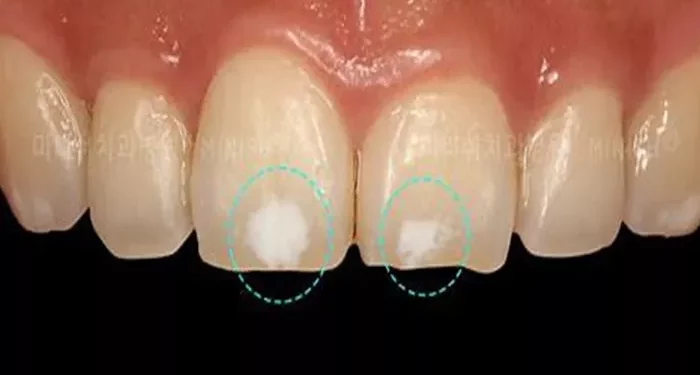
Many patients come to my dental office concerned about those mysterious white spots that suddenly appear on their teeth. These chalky white patches can show up at any age and on any tooth, leaving people worried about their oral health. As a dentist, I want to explain what really causes these white spots, when you should be concerned, and most importantly – what you can do about them. The good news is that most white spots are either preventable or treatable with today’s dental knowledge and technology.
What Are These White Spots Exactly?
Understanding Tooth Enamel Structure
To appreciate white spots, we must first understand tooth enamel:
- The hardest substance in the human body
- Made of tightly packed mineral crystals
- Semi-translucent outer layer of teeth
- Can develop areas of abnormal mineralization
Defining White Spot Lesions
These white areas represent:
- Localized areas of enamel demineralization
- Early stage of tooth decay in many cases
- Visible changes in light reflection
- Often the first sign of enamel trouble
Main Causes of White Spots
Early Tooth Decay (Demineralization)
The most common dental cause:
- Acid from plaque bacteria dissolves minerals
- Creates porous areas in the enamel
- Appears as dull, chalky white patches
- Frequently seen along gumlines
Dental Fluorosis
From excessive fluoride in childhood:
- Occurs during tooth development
- Creates white streaks or spots
- Only affects teeth forming under gums
- Purely cosmetic, not harmful
Other Potential Causes
Enamel Hypoplasia
Developmental enamel defects:
- Incomplete enamel formation
- Can be genetic or environmental
- Often appears as white or brown spots
- Teeth more prone to decay
Orthodontic Treatment Effects
Common with braces:
- Plaque buildup around brackets
- Difficult cleaning leads to decalcification
- White spots appear after braces removal
- Preventable with proper care
Spotting the Differences
How to Identify Demineralization
Early decay signs:
- Dull, matte white appearance
- Rough texture when touched
- Often near gums or between teeth
- May progress to cavities
Recognizing Fluorosis
Characteristics include:
- Shiny, smooth white areas
- Symmetrical patterns
- Present since tooth eruption
- No texture changes
Professional Treatment Options
Remineralization Therapies
For early decay reversal:
- Prescription high-fluoride toothpaste
- Professional fluoride varnish
- Calcium phosphate treatments
- Casein phosphopeptide products
Resin Infiltration Technique
Minimally invasive option:
- Penetrates porous enamel
- Matches natural tooth color
- Stops decay progression
- Preserves tooth structure
Prevention Strategies
Optimal Oral Hygiene
Essential protective measures:
- Brush twice daily with fluoride toothpaste
- Clean between teeth daily
- Use proper brushing technique
- Consider electric toothbrush
Dietary Considerations
Food choices that help:
- Limit acidic foods/drinks
- Reduce sugary snacks
- Choose teeth-friendly foods
- Drink plenty of water
Special Situations
White Spots in Children
Pediatric considerations:
- Monitor fluoride intake
- Supervise brushing
- Watch for developmental issues
- Early dental visits
During Orthodontic Treatment
Braces care musts:
- Special cleaning tools
- Increased cleaning time
- Professional cleanings
- Possible sealants
When to Seek Professional Help
Warning Signs
Time to see your dentist:
- Spots growing in size/number
- Developing rough texture
- New tooth sensitivity
- Visible structural damage
Regular Monitoring
Why checkups matter:
- Early intervention opportunities
- Professional cleaning
- Customized prevention plan
- Tracking changes
Conclusion
Those puzzling white spots on your teeth usually represent either early decay that can be reversed or harmless fluorosis from childhood. The key is identifying which type you have through professional evaluation. With today’s dental advances, we have multiple ways to treat existing white spots and prevent new ones from forming. Good oral hygiene and regular dental visits remain your best defense against white spots and other dental problems.
If you’re concerned about white spots on your teeth, I recommend scheduling an appointment with your dentist. We can determine the cause and recommend the most appropriate treatment or prevention strategy for your specific situation. Remember that many white spots can be improved or even reversed with early intervention and proper care.
Related topic:
- Why Are My Teeth Not White Even After Brushing?
- Tom’s Toothy Tips: Answers to the Top Five Questions Parents Have About Children’s Teeth
- Why Do I Have Yellow Spots on My Teeth?
Tags: teethtoothtooth decay