


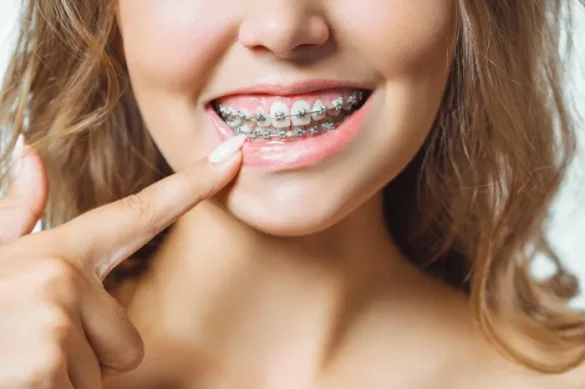
When beginning orthodontic treatment, many patients notice that their orthodontist places braces on their upper teeth before addressing the lower teeth. This often raises questions about the process and reasoning behind starting with the top arch. The decision to fit top braces first is based on clinical expertise, aesthetics, patient comfort, and the specific goals of bite correction. Let’s explore why the top teeth are prioritized, what happens during treatment, and what patients can expect from this approach.
Understanding the Role of Braces in Orthodontic Care
Braces are orthodontic devices designed to correct misaligned teeth and jaw problems. By using brackets, archwires, and elastic bands, braces apply gentle pressure on the teeth, moving them into better alignment over time. Dental braces are highly effective for crowded teeth, gaps, overbites, deep bites, crossbites, and underbites. The overall aim of orthodontic treatment is to create a healthy bite, improve dental health, and support confident smiles for life.
Types of Braces and Treatment Options
Orthodontists offer several types of braces, including:
Metal Braces
Stainless steel brackets and wires that are very reliable and widely used
Lingual Braces
Braces that are placed behind the teeth, making them invisible from the front
Self-Ligating Braces
Braces with a special clip that holds the wire in place, often speeding up treatment
Partial vs. Full-Mouth Braces
Partial braces focus on select areas of the mouth, while full-mouth braces treat both upper and lower teeth for comprehensive results
Why Do Orthodontists Put Top Braces On First?
The practice of placing top braces first is common in orthodontic care. Here are the main reasons:
Aesthetics and Confidence
The upper teeth are more visible when you talk or smile. Because patients often want to see quick improvements in their appearance, orthodontists begin with the top braces. This gives patients an earlier glimpse of progress and boosts their motivation to stick to appointments and care routines. Visible changes in the smile can make the initial stages of treatment feel more rewarding.
Comfort and Adaptation
Getting braces affects eating, speech, and daily routines. Top braces usually interfere less with these functions compared to lower braces. By starting with the upper teeth, patients have a gentler transition into orthodontic treatment, allowing them to adjust to the feeling of braces and manage discomfort more easily.
Bite Correction and Functional Needs
Correcting the bite is a major goal of orthodontic treatment. Many patients begin with upper braces to address issues like overbite, where the upper teeth extend too far ahead of the lower teeth. By aligning the top row first, orthodontists create space and guide the bite to a healthier position. This approach can prevent jaw pain, uneven tooth wear, and other long-term complications. For severe misalignments or deep bites, early work on the upper teeth sets the stage for later adjustments to the lower arch.
What Happens During Top Braces Placement?
Orthodontic treatment with top braces follows a step-by-step process:
Initial Consultation and Planning
Orthodontists start with a thorough examination. They check for tooth crowding, gaps, and bite alignment. Diagnostic images may be taken to understand the dental structure. After this, your orthodontist recommends whether single-arch (top only) or dual-arch (top and bottom) braces are suitable for your unique situation. A personalized plan including expected outcomes and timeline is then created.
Braces Application Procedure
- Teeth Cleaning: Professional cleaning ensures optimal bonding of the brackets.
- Bracket Placement: Bonding cement is applied, and brackets are carefully positioned on the upper teeth.
- Archwire Threading: An archwire is threaded through the brackets. This guides tooth movement.
- Securing With Elastics: Small rubber bands are added to hold the wire in place. Patients may choose elastic colors for personal expression.
Follow-Up and Adjustments
Patients return every 4–8 weeks for progress checks and minor adjustments to the archwire or brackets. If comprehensive correction is needed, lower braces may be added after a few weeks or months, once the top teeth have shifted enough to create space or correct the bite.
Managing Discomfort With Top Braces
Discomfort after receiving braces is normal and usually mild. Here are ways to manage soreness:
- Using over-the-counter pain relievers like ibuprofen
- Rinsing with warm salt water to soothe gums and mouth sores
- Applying orthodontic wax to brackets and wires that scrape the cheek or lips
- Eating soft foods like yogurt, soup, or mashed potatoes, avoiding crunchy or hard items
- Following the orthodontist’s care recommendations closely
Persistent pain or unusual discomfort should be discussed with your orthodontic provider at follow-up visits.
How Long Before You Get Lower Braces?
The time between placing top and bottom braces varies. Usually, lower braces are applied a few weeks to a few months after the top. Early focus on the upper arch allows teeth to shift and makes space for bite adjustment, especially for patients with overbites. This staged approach helps the entire bite line up properly for long-lasting results.
Duration of Single-Arch Orthodontic Treatment
How long you wear top-only braces depends on several factors:
- Severity of the dental problem
- Patient age and oral health
- Spacing and alignment needs
- Consistency with appointments
Simple cases may be resolved in months, but more complex problems require longer treatment—sometimes 12 to 24 months or more. After the top teeth have moved sufficiently, lower braces can follow to complete the bite correction.
Is Top-Only Treatment Enough?
While single-arch treatment is available, most patients need both top and bottom braces for complete, stable results. Top-only braces are usually recommended for mild issues, cosmetic corrections, or when only a small segment needs improvement. For bite and jaw abnormalities, full-mouth orthodontics is required so the teeth fit together correctly when chewing, speaking, and smiling. Orthodontists always consider the long-term health and stability of your smile, so follow their advice before deciding on single-arch treatment.
Cost and Considerations
People may think that top-only braces cost much less, but that is not always true. While you pay for fewer brackets and wires, you still need follow-up visits, x-rays, impressions, and care supplies. If you later need lower braces, total costs can exceed that of starting with a full-mouth treatment. Orthodontists help patients determine the best plan for their goals, dental health, and budgets.
Conclusion
Orthodontists often put top braces on first to provide visible improvements, make adaptation easier, and address bite issues such as overbite. This method helps patients feel positive about treatment early on, supports a smooth transition into orthodontic care, and creates the foundation for proper dental alignment. For most cases, both top and bottom braces are eventually needed for lasting health and function. Always consult with your orthodontist to select the best treatment approach for your specific needs and to ensure your smile is healthy for years to come.
Frequently Asked Questions
Do Top Braces Work Faster Than Bottom Braces?
Both top and bottom braces move teeth at similar speeds, but the top arch may show results sooner because those teeth are most visible and respond well to early treatment.
Can I Get Braces Only for My Top Teeth?
Single-arch braces are possible for select mild cases or cosmetic needs. However, your orthodontist will determine if this approach is effective for your dental situation.
Will I Save Money By Getting Only Top Braces?
Not as much as expected. All the supporting care costs still apply, and adding lower braces later may increase your total expense.
Why Is Bite Correction Important?
Aligning both upper and lower teeth ensures healthy chewing, speaking, and reduces risk of jaw pain or uneven tooth wear.
How Do I Manage Braces Discomfort?
Use over-the-counter pain relievers, orthodontic wax, salt water rinses, and eat soft foods to ease soreness, especially during the initial weeks of treatment.