


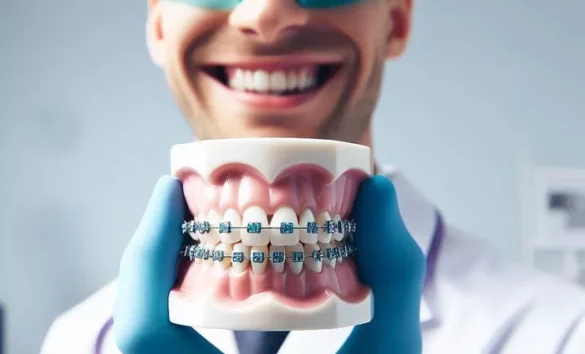
Orthodontic treatment is a common dental procedure that corrects misaligned teeth and bite issues. Braces are used to apply gentle pressure to teeth over time, guiding them into their ideal positions. One question many patients ask is why orthodontists often start with top braces before the bottom ones. Understanding this approach helps patients feel more informed and comfortable during treatment.
Understanding Dental Occlusion
Dental occlusion refers to how the upper and lower teeth fit together when the mouth is closed. Proper occlusion is essential for chewing, speaking, and maintaining overall oral health. If the upper and lower teeth do not align correctly, it can lead to jaw pain, tooth wear, and other dental problems.
The Role of the Upper Teeth in Occlusion
The upper teeth play a key role in guiding the bite. They often determine how the lower teeth should align. By correcting the position of the upper teeth first, orthodontists can create a framework for the lower teeth to follow. This sequence ensures a more precise and stable final result.
Functional and Aesthetic Considerations
Correcting the upper teeth first also addresses both functional and aesthetic concerns. Many patients notice that the upper teeth are more visible when they smile. Aligning these teeth early in treatment improves the appearance of the smile and boosts confidence. Additionally, upper teeth correction helps prevent uneven wear on the lower teeth.
The Mechanics of Braces
Braces consist of brackets, wires, and sometimes additional appliances. They apply continuous pressure to move teeth gradually. Understanding the mechanics clarifies why the sequence of placement matters.
Wire Adjustment and Tooth Movement
When the upper braces are placed first, orthodontists can use the archwire to guide the movement of top teeth efficiently. Since the upper teeth often serve as a reference point, the wire helps create proper spacing and alignment for the lower teeth later.
Control of Bite Alignment
Starting with the top teeth allows orthodontists to control the bite more effectively. As the upper teeth move into position, they create predictable points for the lower teeth to meet. This reduces the risk of crossbites or uneven tooth movement.
Benefits of Placing Top Braces First
Placing top braces first has several advantages. These benefits improve treatment efficiency, patient comfort, and overall outcomes.
Improved Bite Guidance
Upper braces act as a guide for lower teeth alignment. By establishing the correct positions of the top teeth first, orthodontists can ensure the lower teeth move into proper occlusion. This approach reduces the need for extensive adjustments later in treatment.
Enhanced Aesthetic Progress
Patients often see visible improvement in their smile sooner when the upper teeth are corrected first. This can motivate patients to comply with treatment instructions and maintain oral hygiene, contributing to better overall results.
Efficient Use of Orthodontic Appliances
Orthodontic appliances like elastics, springs, or expanders often rely on the position of the upper teeth. By positioning the upper teeth first, these appliances can be used more effectively, speeding up treatment and reducing overall duration.
Factors Influencing Braces Placement Order
While placing top braces first is common, the sequence may vary depending on the patient’s condition. Orthodontists consider multiple factors before deciding the best approach.
Severity of Malocclusion
Patients with severe overbites, underbites, or crowding may require a customized sequence. In some cases, lower braces may be placed first or simultaneously. The orthodontist evaluates the occlusion, jaw structure, and tooth positions to determine the optimal sequence.
Age and Growth Patterns
Age can influence treatment planning. Children and teenagers are still growing, and their jaw development affects how teeth should be moved. Orthodontists may prioritize upper braces in younger patients to guide proper jaw growth and avoid complications.
Patient-Specific Goals
Some patients may have specific aesthetic or functional goals. For instance, a patient who wants immediate improvement in their smile may benefit from having upper braces first. Orthodontists tailor treatment plans to meet these individualized needs while maintaining clinical efficiency.
Common Myths About Braces Placement
There are several misconceptions about why orthodontists place top braces first. Understanding these myths helps patients have realistic expectations.
Myth: Upper Braces Hurt More
Some patients believe that placing top braces first causes more discomfort. In reality, discomfort is usually mild and temporary for both upper and lower braces. Proper adjustment and orthodontic care minimize pain.
Myth: Order of Braces Does Not Matter
The sequence of braces placement does matter for treatment efficiency and bite correction. Starting with upper braces provides better guidance for the lower teeth and reduces the need for prolonged adjustments.
Myth: Only Aesthetic Reasons Influence the Sequence
While aesthetics is a factor, functional considerations are equally important. Upper braces first ensure correct bite alignment, reducing potential problems like jaw strain, uneven wear, and misalignment relapse.
Patient Experience and Comfort
Patient comfort is an important part of orthodontic treatment. Orthodontists consider how braces affect speaking, eating, and oral hygiene when deciding placement order.
Adjusting to Upper Braces
Patients usually adapt to upper braces more easily because they are less likely to interfere with the tongue and speech. This makes the first phase of treatment smoother and less disruptive to daily activities.
Maintaining Oral Hygiene
Cleaning upper teeth is often easier at the start of treatment. Proper hygiene reduces the risk of plaque buildup, cavities, and gum irritation. By focusing on upper braces first, patients can establish good cleaning habits before the lower braces are added.
Conclusion
Placing top braces first is a strategic approach used by orthodontists to guide bite alignment, improve aesthetics, and enhance treatment efficiency. While each patient’s needs may differ, starting with the upper teeth provides a strong foundation for successful orthodontic outcomes. Understanding this process helps patients feel informed and confident about their treatment journey.