


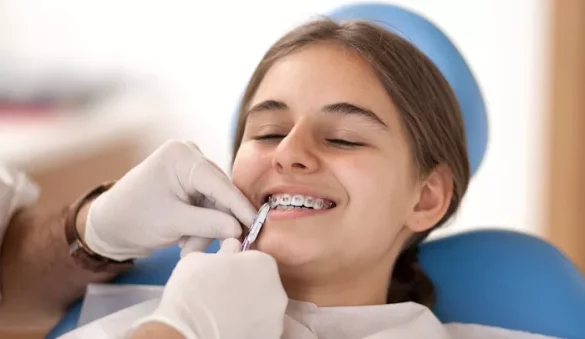
Braces are dental devices designed to correct misaligned teeth and jaws. They help improve oral function, enhance appearance, and prevent future dental problems. Braces can address crowding, spacing, overbite, underbite, and crossbite.
The goal of orthodontic treatment is to ensure proper teeth alignment and bite function.
The Ideal Age for Braces
Orthodontists often recommend evaluating children by the age of seven. At this age, most children have a mix of primary (baby) teeth and permanent teeth. This stage allows dentists to detect early signs of dental problems. Early intervention can prevent complex issues later in life.
Why Age Seven is Important
By age seven, the permanent front teeth have usually started to erupt. This gives orthodontists the opportunity to monitor jaw growth and tooth development. Early evaluation can reveal:
- Crowded teeth
- Misaligned bites
- Jaw irregularities
- Thumb sucking or tongue thrust habits
Detecting these issues early can allow for timely treatment and better long-term outcomes.
Signs Your Child May Need Braces
Parents should look for specific signs that indicate a child might need braces. These signs include:
- Teeth that are crowded or overlap
- Difficulty chewing or biting
- Jaw pain or clicking
- Protruding or misaligned teeth
- Frequent biting of the cheeks or tongue
If any of these signs are present, consulting an orthodontist can help determine if treatment is necessary and when it should start.
Early vs. Late Orthodontic Treatment
Orthodontic treatment is often categorized into two phases: early (interceptive) treatment and later comprehensive treatment.
Early (Interceptive) Treatment
Early treatment usually begins between ages 7 and 10. It focuses on guiding the growth of the jaw, controlling harmful habits, and creating space for permanent teeth. Devices used may include:
- Palatal expanders
- Partial braces
- Space maintainers
The goal is to reduce the need for extensive treatment in the teenage years.
Comprehensive Treatment
Comprehensive treatment often starts around ages 11 to 14, when most permanent teeth have erupted. This phase focuses on aligning all teeth, correcting bite issues, and achieving the final aesthetic results. Braces may be metal, ceramic, or clear aligners depending on the child’s needs and preferences.
The Youngest Age to Start Braces
While orthodontic evaluation can begin at age seven, starting full braces at this age is less common. In most cases, braces are applied between ages 9 and 14, depending on the child’s dental development. Rarely, children younger than 7 may need early intervention due to severe issues like:
- Significant jaw misalignment
- Severe crowding
- Protruding front teeth at risk of injury
In these cases, orthodontists may recommend limited early treatment before full braces.
Factors Affecting the Timing of Braces
Several factors influence when braces are appropriate for a child:
Dental Development
The presence of permanent teeth is critical. Braces are more effective when permanent teeth are erupting or already present. Monitoring tooth eruption patterns helps orthodontists plan treatment.
Jaw Growth
Jaw growth plays a significant role in orthodontic timing. Early treatment can guide jaw growth to correct bite problems. Conversely, waiting too long may require more invasive treatments.
Severity of Malocclusion
The complexity of the dental misalignment also matters. Mild crowding may not require early intervention. Severe cases may justify starting braces earlier to prevent further complications.
Types of Braces for Young Children
There are several types of braces suitable for children. The choice depends on age, severity, and orthodontist recommendation.
Traditional Metal Braces
Metal braces are the most common. They are durable, cost-effective, and suitable for children of all ages. They can correct complex misalignments effectively.
Ceramic Braces
Ceramic braces are similar to metal braces but are tooth-colored. They are less visible but may be more fragile. They are ideal for older children or teenagers.
Clear Aligners
Clear aligners, like Invisalign, are removable and nearly invisible. They are generally suitable for children who have most permanent teeth and can follow instructions carefully.
Benefits of Early Orthodontic Treatment
Early orthodontic care offers several benefits:
- Prevents severe misalignment
- Reduces treatment time later
- Improves oral function and bite
- Boosts self-confidence in children
- Decreases risk of trauma to protruding teeth
Risks and Considerations
While braces are generally safe, parents should be aware of potential issues:
- Discomfort and soreness
- Oral hygiene challenges
- Possibility of prolonged treatment if cooperation is low
- Extra costs for early or two-phase treatment
Consulting an experienced orthodontist helps minimize these risks.
How Parents Can Prepare Their Child
Preparation is important to ensure a smooth orthodontic experience:
- Discuss the process and benefits with your child
- Emphasize proper oral hygiene
- Set realistic expectations for treatment duration
- Ensure regular dental checkups
Positive reinforcement can help children adjust to wearing braces.
Cost Considerations
The cost of braces varies depending on type, age, and severity of misalignment. Early treatment may increase total costs due to two-phase therapy. Some dental insurance plans cover part of the cost. Parents should consult their dentist and insurance provider for detailed information.
Conclusion
The youngest age to get braces varies depending on dental development and orthodontic needs. While evaluation should begin at age seven, most children start treatment between ages 9 and 14. Early detection and intervention can prevent complex dental issues and ensure healthier teeth. Parents should consult experienced orthodontists to determine the optimal timing for their child’s braces.