


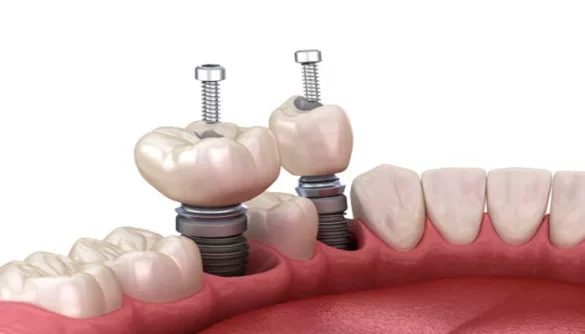
Dental crowns are one of the most common solutions in modern dentistry. They are tooth-shaped caps placed over damaged, weakened, or unsightly teeth. Crowns protect the teeth from further damage, restore their shape and size, and improve their appearance. Understanding the importance of crowns helps patients make informed decisions about their dental health.
What Are Dental Crowns?
A dental crown is a custom-made covering that fits over the entire visible part of a tooth. Crowns can be made from various materials, including metal, porcelain, ceramic, and composite resin. Each type of crown has specific benefits and is selected based on the tooth’s location, function, and aesthetic requirements.
Materials Used for Crowns
Metal Crowns: Made from gold, palladium, or nickel alloys, metal crowns are strong and durable. They are ideal for molars where chewing forces are high but are less visually appealing.
Porcelain Crowns: These crowns closely match natural tooth color, making them ideal for front teeth. They provide excellent aesthetics but are slightly less durable than metal crowns.
Ceramic Crowns: Made entirely of ceramic, these crowns are highly aesthetic and suitable for patients with metal allergies.
Composite Resin Crowns: These are affordable and provide moderate durability. They are often used as temporary solutions or in areas with less chewing pressure.
Reasons Why We Need Crowns
Dental crowns serve multiple purposes, ranging from protecting weak teeth to restoring functionality and aesthetics. Here are the main reasons why crowns are necessary:
Protecting Weakened Teeth
Teeth that are weakened by decay, large fillings, or fractures are at risk of breaking. A crown provides a protective layer that strengthens the tooth and prevents further damage. This is especially important for molars that endure significant chewing forces.
Restoring Damaged Teeth
If a tooth is broken, cracked, or severely worn down, a crown can restore its original shape and size. This restoration helps maintain proper chewing function and prevents misalignment of surrounding teeth.
Supporting Teeth After Root Canal Treatment
After a root canal, the treated tooth becomes more brittle and prone to fracture. Crowns provide essential support, protecting the tooth from breaking while restoring its function and appearance.
Improving Appearance
Crowns are often used for cosmetic purposes. They can cover discolored, misshapen, or poorly aligned teeth, creating a uniform and attractive smile. Porcelain and ceramic crowns, in particular, offer natural-looking results.
Preventing Tooth Loss
By protecting weak or damaged teeth, crowns reduce the risk of tooth loss. Preserving natural teeth whenever possible is important for maintaining proper bite function and overall oral health.
Anchoring Dental Bridges
Crowns are used to anchor dental bridges, which replace missing teeth. The crowns are placed on the teeth adjacent to the gap, providing stability and support for the bridge.
How Dental Crowns Are Placed
The process of placing a crown typically involves several steps. Understanding this process helps patients feel more comfortable and informed.
Step 1: Tooth Preparation
The dentist removes a small amount of the tooth structure to create space for the crown. This ensures a proper fit and natural appearance.
Step 2: Taking Impressions
After shaping the tooth, the dentist takes impressions of the prepared tooth and surrounding teeth. These impressions are sent to a dental lab to create a custom crown that fits precisely.
Step 3: Temporary Crown
While waiting for the permanent crown, a temporary crown is placed to protect the tooth and maintain function.
Step 4: Fitting the Permanent Crown
Once the permanent crown is ready, the dentist removes the temporary crown and cements the permanent crown in place. Adjustments are made to ensure proper bite and comfort.
Benefits of Dental Crowns
Long-Term Protection
Crowns protect teeth from further decay, fractures, and wear. This long-term protection can extend the life of natural teeth for many years.
Improved Oral Function
By restoring the shape and size of damaged teeth, crowns improve chewing, speaking, and overall oral function.
Enhanced Appearance
Crowns restore the natural appearance of teeth, allowing patients to smile confidently. They can also correct minor misalignments, gaps, and discoloration.
Preventing Misalignment
When a tooth is lost or broken, surrounding teeth may shift. Crowns help maintain proper alignment and bite function by stabilizing the teeth.
Durability
Crowns are designed to withstand daily chewing forces. Metal and ceramic crowns can last 10–15 years or longer with proper care.
Risks and Considerations
While dental crowns are generally safe and effective, some considerations must be kept in mind:
Tooth Sensitivity
After crown placement, some patients may experience temporary sensitivity to hot or cold foods. This usually subsides over time.
Possible Decay
The tooth beneath the crown can still develop decay if oral hygiene is poor. Brushing, flossing, and regular dental check-ups are essential.
Wear and Damage
Crowns can chip, crack, or wear down over time. Patients should avoid biting hard objects and follow their dentist’s care recommendations.
Maintenance and Care
Proper care extends the life of a dental crown and ensures overall oral health.
Daily Oral Hygiene
Brush twice daily and floss carefully around the crown to prevent decay and gum disease.
Regular Dental Check-Ups
Visit your dentist every six months for professional cleaning and to check the crown’s condition.
Avoiding Harmful Habits
Avoid chewing ice, hard candies, or other objects that can damage the crown. Consider a night guard if you grind your teeth.
Conclusion
Dental crowns play a crucial role in protecting, restoring, and enhancing teeth. They are essential for patients with weakened, damaged, or aesthetically compromised teeth. Crowns restore oral function, prevent further damage, and improve appearance. Proper placement and care ensure their longevity, making them a valuable investment in dental health. Understanding why crowns are necessary helps patients make informed decisions and maintain a healthy, confident smile.