


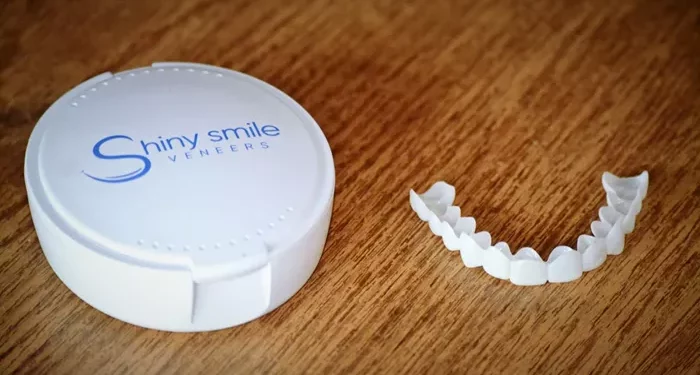
Digital dentistry is changing how people fix and design their smiles. Companies now sell Snap-On veneers, flipper teeth and other dental devices directly to consumers, reducing the need for multiple in-office visits.
High-resolution imaging, at-home impression kits, and computer-aided design let labs create custom, natural-looking restorations. Patients take impressions at home, send them back, and technicians use 3D modeling and printing to produce the final pieces in days.
The direct-to-consumer model sharply lowers costs. Traditional porcelain veneers can run thousands of dollars per tooth; online snap-on systems and printed flippers often cost a fraction of that for a full set. Lower prices make cosmetic options accessible to people who previously could not afford them.
Digital tools also expand access. Rural residents, people with dental anxiety, and others who struggle to reach a clinic can now consult remotely, preview designs, and approve changes online. Video consultations and digital smile-design interfaces let patients participate in every step.
Advocates say the trend is about more than teeth. By making cosmetic dentistry quicker, cheaper, and more convenient, technology helps people regain confidence and social comfort. For many, a digitally produced smile is not just a cosmetic fix—it’s a boost in self-esteem and everyday wellbeing.