


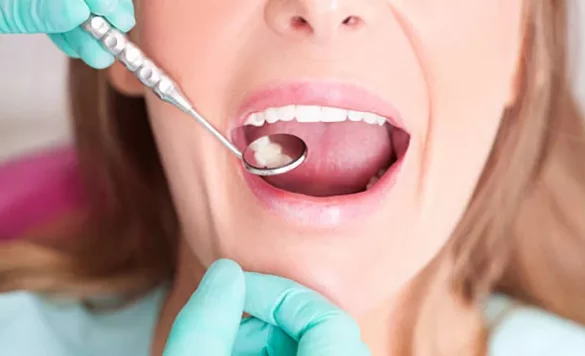
Dental fillings are used to repair cavities caused by tooth decay. They restore the structure of a damaged tooth and help prevent further decay. Fillings can be made from various materials including composite resin, amalgam, gold, and porcelain.
While fillings are generally safe and effective, some patients experience discomfort or throbbing pain after the procedure. Understanding the possible reasons behind this pain is important for maintaining good oral health.
Common Causes of a Throbbing Filling
1. High Filling or Bite Issues
After a filling is placed, your bite may feel uneven if the filling is slightly higher than your natural tooth surface. This can cause pressure when chewing, leading to throbbing pain or discomfort. Adjustments by a dentist are usually required to correct the bite.
2. Tooth Sensitivity
Sensitive teeth after a filling are common, especially if the decay was near the pulp. Sensitivity can be triggered by hot, cold, or sweet foods and drinks. This occurs because the dentin layer underneath the enamel reacts to stimuli. In most cases, sensitivity decreases gradually, but persistent pain may indicate complications.
3. Pulpitis
Pulpitis is inflammation of the tooth pulp, which contains nerves and blood vessels. Deep cavities or extensive fillings can irritate the pulp, causing throbbing or sharp pain. Pulpitis can be reversible or irreversible. Irreversible pulpitis often requires root canal treatment to relieve the pain and save the tooth.
4. Cracked Tooth or Filling
A cracked tooth or damaged filling can expose the dentin or pulp, leading to intermittent or continuous throbbing pain. Biting or chewing can worsen the pain. Immediate dental evaluation is necessary to prevent infection or further damage.
5. Secondary Decay
Sometimes decay develops around or beneath a filling. This secondary decay can irritate the tooth and cause throbbing pain. X-rays and thorough examination are needed to detect cavities hidden under the filling.
6. Gum Disease
Throbbing pain may also be related to underlying gum disease. Inflammation or infection of the gums surrounding the filled tooth can create pressure and discomfort. Symptoms such as swelling, bleeding gums, or bad breath may accompany the pain. Treating gum disease is essential to prevent worsening oral health.
When Throbbing Pain Becomes Concerning
While mild sensitivity after a filling is normal, throbbing pain that persists for several days or intensifies should not be ignored. Warning signs include:
- Severe pain when biting or chewing
- Swelling of the face or gums
- Pus or discharge around the tooth
- Persistent sensitivity to hot, cold, or sweet foods
These symptoms may indicate pulp infection, abscess, or damage to the filling. Timely dental treatment can prevent complications and save the tooth.
Managing Pain After a Filling
Over-the-Counter Pain Relief
Non-prescription pain relievers such as ibuprofen or acetaminophen can help alleviate throbbing pain. Follow dosage instructions carefully and avoid exceeding recommended limits.
Desensitizing Toothpaste
For sensitive teeth, using desensitizing toothpaste can reduce discomfort. These products help block the nerve response in the dentin and provide gradual relief from sensitivity caused by fillings.
Soft Diet and Gentle Care
Avoid hard, sticky, or extremely hot and cold foods for the first few days after a filling. Gentle brushing and flossing help maintain oral hygiene without aggravating the tooth or surrounding gums.
Dental Check-Up
Persistent or severe pain requires a professional dental examination. Your dentist can check for high fillings, pulpitis, cracks, or secondary decay. Early intervention prevents complications and ensures long-term oral health.
Conclusion
Throbbing pain after a dental filling is a common experience but should be carefully monitored. Causes include high fillings, sensitive teeth, pulpitis, cracked teeth, secondary decay, and gum disease. Mild sensitivity often resolves on its own, but persistent or severe pain requires professional evaluation. Maintaining proper oral hygiene, regular dental visits, and timely intervention can prevent discomfort and ensure lasting dental health.