


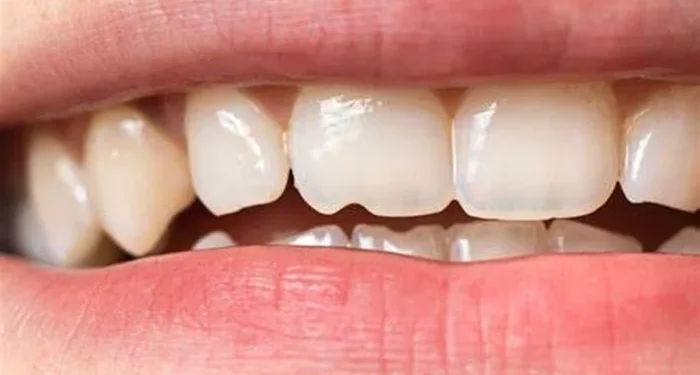
When you have a cavity or a broken tooth, a dentist may recommend a temporary filling until you can get a permanent one. A temporary filling helps protect your tooth from further damage, infections, and discomfort. If you’re wondering what the best temporary fillings are, this guide will help you make an informed decision.
What Are Temporary Fillings?
A temporary filling is a dental material used to cover a cavity or protect a tooth that is cracked or broken. They are often used to hold a place for a permanent filling or crown. These fillings are meant to last for a short time, typically from a few days to a few weeks, until you can get a permanent solution.
Temporary fillings are useful when you need to wait for a more permanent restoration, such as a root canal or crown, but they can also be used in emergency situations when you are not able to get to a dentist immediately. These fillings help to prevent food and bacteria from entering the cavity, which can cause pain or infection.
Why Use Temporary Fillings?
There are several reasons why you may need a temporary filling:
Emergency Treatment: If your tooth gets damaged or you lose a filling unexpectedly, a temporary filling can protect the area until you can see a dentist.
Time for Permanent Restoration: After procedures like root canals or extractions, you may need a temporary filling until your permanent filling or crown is ready.
Convenience: Temporary fillings are quick to apply and can last long enough for you to plan your next dental visit.
Preventing Infection: A temporary filling helps to protect the exposed tooth and the surrounding gum tissue from infection and further decay.
10 Best Temporary Fillings for Teeth
There are various types of materials used for temporary fillings. Some are easier to apply at home, while others require a dentist. Let’s look at the most common options available.
1. Cavit (Zinc Oxide-Eugenol)
Cavit is a popular temporary filling material that is often used by dentists. It is easy to apply and has excellent sealing properties. This material is made from zinc oxide and eugenol, which helps soothe the tooth and reduces discomfort.
Pros:
Quick and easy to apply
Provides a good seal to prevent food and bacteria from entering
Often used for fillings that will be replaced with permanent ones
Cons:
Not meant for long-term use
Can wear down over time
2. Glass Ionomer Cement
Glass ionomer cement is another material commonly used for temporary fillings. It bonds well to the tooth and releases fluoride, which helps prevent decay. This material is often preferred for fillings near the gums because it seals well and is gentle on the tissue.
Pros:
Bonds strongly to the tooth
Releases fluoride to protect against further decay
Gentle on the gums
Cons:
Not as durable as other materials for long-term use
Can be sensitive to moisture before it sets
3. Composite Resin
Composite resins are tooth-colored materials that blend well with your natural teeth. Dentists can use composite resins for temporary fillings that match the color of the surrounding teeth. They are strong enough for use in small cavities or cracks.
Pros:
Aesthetic match to your natural teeth
Strong and durable
Can be used in visible areas
Cons:
Can be harder to apply at home
Requires careful attention to moisture during placement
4. Temporary Tooth Fillings (Over-the-Counter Kits)
There are over-the-counter temporary filling kits available that allow patients to apply a filling at home. These kits typically include materials like zinc oxide-eugenol or other compounds that harden quickly once placed. These are ideal for emergency situations.
Pros:
Convenient and easy to use at home
Available without a prescription
Affordable
Cons:
Can be difficult to apply precisely
May not last long or provide a perfect seal
Not suitable for all types of cavities
5. Dental Wax
Dental wax is a simple and temporary solution for small cracks or chips in teeth. It is not a permanent solution, but it can provide temporary protection until you see your dentist. Wax can be molded to fit into the affected area and help reduce discomfort.
Pros:
Easy to apply
Can reduce pain and discomfort
Temporary solution for minor issues
Cons:
Not durable
Does not fill cavities effectively
6. Resilon
Resilon is a root canal filling material that can also be used temporarily in some cases. It is biocompatible, meaning it works well with the body, and it can provide a temporary seal while you wait for your permanent restoration.
Pros:
Provides a good seal
Biocompatible material
Suitable for root canal treatments
Cons:
Not commonly used for general fillings
More expensive than other temporary options
7. Provisional Crown Materials
When a crown is being made for a tooth, dentists often use provisional crown materials. These temporary crowns are made from a variety of materials, including acrylic or composite resins. These crowns protect the tooth until the permanent one is ready.
Pros:
Protects the tooth from further damage
Maintains tooth function until the permanent crown arrives
Cons:
Requires professional dental help for application
Not suitable for everyday long-term wear
8. Temporary Filling Paste
Temporary filling pastes are often made from a mixture of materials like zinc oxide and eugenol. These pastes are generally applied to fill cavities temporarily and provide relief until a permanent solution can be arranged.
Pros:
Simple to apply and effective
Offers pain relief in the short term
Easily removed when permanent filling is ready
Cons:
Not ideal for large cavities
Can wear out with use
9. Silver Amalgam (for Emergency Use)
In emergency situations, silver amalgam can sometimes be used as a temporary measure to protect a tooth. While it’s not a common choice for long-term temporary fillings, it can be useful when you need immediate relief.
Pros:
Strong and durable
Provides a good seal for the tooth
Cons:
Aesthetically unpleasing (silver color)
May cause more sensitivity in some patients
10. Resilon
Resilon is another material that can be used temporarily for specific cases like root canals. It is a thermoplastic material that seals well and is biocompatible. It’s especially useful for patients waiting for a permanent restoration.
Pros:
Good seal and biocompatibility
Can last for a reasonable amount of time
Cons:
Requires professional application
More expensive than other options
How to Apply a Temporary Filling at Home
If you need to apply a temporary filling at home, it’s important to follow the instructions provided with your filling kit carefully. Here’s a simple guide:
Clean the Affected Area: Make sure your tooth is clean and dry. Use a toothbrush and warm water to clean the area gently.
Prepare the Filling Material: If using a ready-made filling or paste, prepare it according to the instructions. If you’re using a wax or similar material, mold it to fit the cavity.
Apply the Filling: Place the material into the cavity, making sure it completely fills the space. Press it gently to secure it in place.
Check for Comfort: Bite down lightly to make sure the filling doesn’t interfere with your bite. If necessary, trim excess material.
Avoid Certain Foods: For the first few hours, avoid eating hard, sticky, or chewy foods that could dislodge the filling.
When to Visit the Dentist
While a temporary filling can provide protection, it is not a permanent solution. It’s important to visit your dentist as soon as possible for a permanent filling or treatment. Keep an eye on your temporary filling, and if it becomes loose, cracks, or causes pain, contact your dentist immediately.
Conclusion
Temporary fillings can be a lifesaver when you need immediate relief from tooth pain or protection from further damage. With a variety of materials available, you can choose the best one for your situation, whether you need an emergency fix or a short-term solution while waiting for a permanent restoration. Always remember that these fillings are temporary, and it’s important to visit your dentist for a more permanent solution as soon as possible.
By understanding the different types of temporary fillings, you can make the right decision for your dental health and avoid complications down the line.